As Arctic continues to warm, ocean ecosystems face major reshape
Research from Plymouth Marine Laboratory has shown for the first time that depleting ice cover and a warming climate in the Arctic could alter the flow of carbon and nutrients between the seafloor and open ocean waters.

While it’s well-established that climate change is warming the Arctic faster than almost anywhere else on the planet, scientists continue to uncover new truths about what kind of impact this will have on the global ocean.
The latest research – published by researchers at Plymouth Marine Laboratory (PML) – has now shown for the first time that such changes in the Arctic could fundamentally alter the flow of carbon and nutrients between the seafloor and open ocean waters.
The technical term for this process of the benthic-pelagic exchange and it’s a process recognised as vital for marine life and the ocean’s ability to cycle carbon.
Both the Polar Front (the boundary between the cold, dense air of the polar regions and the warmer air of the Ferrell Cell) and the southern boundary of seasonal ice have shifted northwards over time, according to the teams at PML by around 93 miles since 1960.
Following this, the Barents Sea has now been characterised as being ‘Atlantified’ because of its status as an Arctic warming hot spot. Climate-driven reduction in seasonal sea ice cover is faster and more extreme in the Barents Sea than in any other Arctic region. In fact, some models predict the region could be completely free of ice year-round by 2080.
With the rapid decline of this Arctic sea ice, considerable changes are anticipated to occur in the way the seafloor (benthic) and open waters (pelagic) interact. Normally, life on the seafloor relies on a steady supply of organic matter sinking down from above. But with less ice – argue the researchers in the paper published in Science Direct – the amount, the timing, and the quality of that food supply is likely to shift, affecting the benthic ecosystem.
It’s feared that areas that were once protected by ice will also become more exposed to human impacts like trawling.
In other news

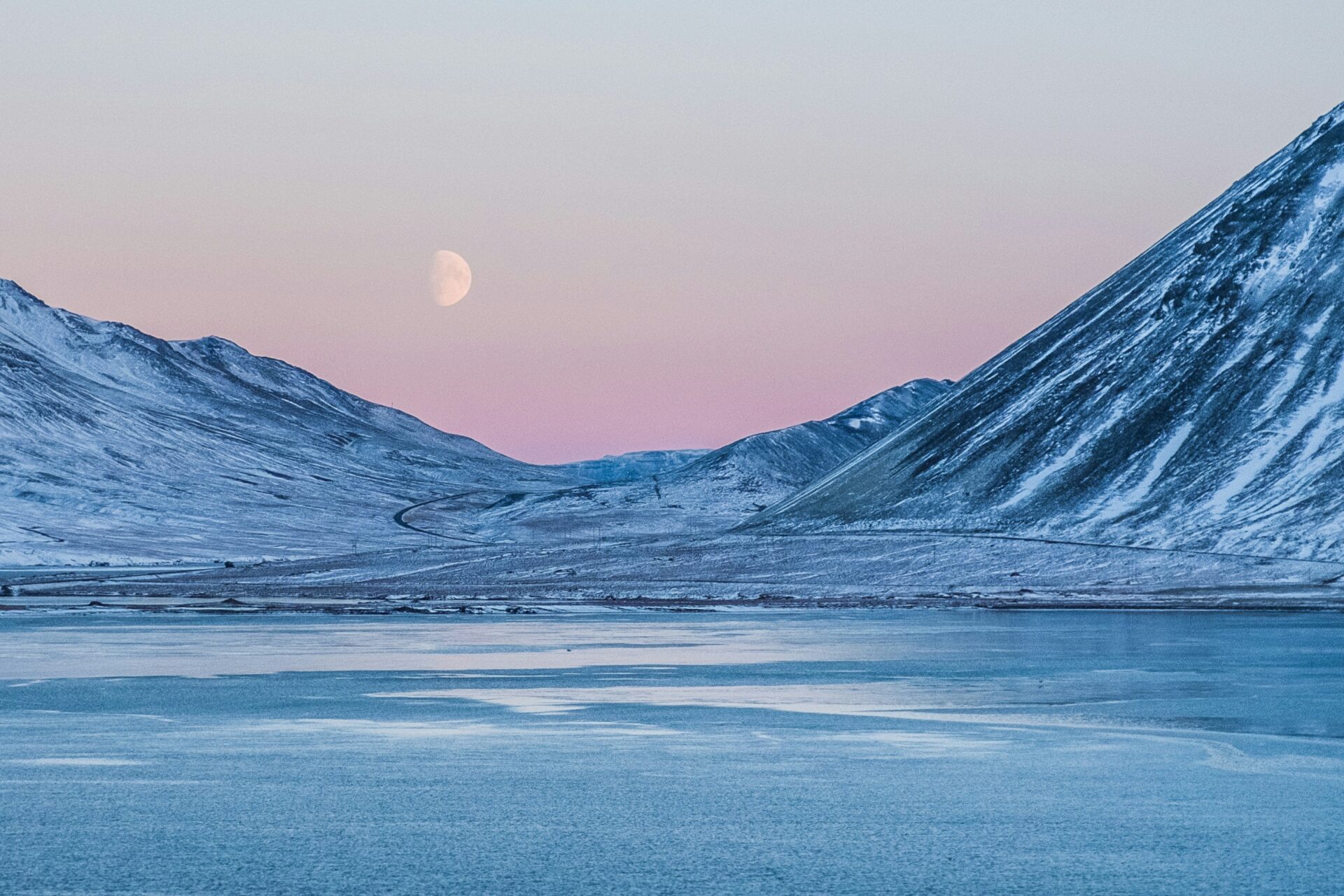
The paper, entitled ‘Will the declining sea ice extent in the Arctic cause a reversal of net benthic-pelagic exchange directions?’ – suggests that these changes will go on to disrupt the natural movement of matter between the seabed and the water column – a key process for cycling carbon and nutrients. This movement depends on physical mixing, animal activity, and other drivers, and it can work in two directions – particles and dissolved matter moving down, or being stirred back up.
This study is part of the Changing Arctic Ocean Seafloor project (or ChAOS), which focused on the Barents Sea – a shallow shelf sea in the Arctic Ocean. Much of this work hs been carried out by Plymouth Marine Lab’s Dr Saskia Rühl.
Through in-situ sampling and experiments, Rühl and her team have examined how matter moves between the seabed and water under different ice conditions.
The study found that in the southern Barents Sea – which has more of an Atlantic influence – dissolved substances mostly move down into the seafloor while particles move up into the water. In the northern barents Sea, however – with more of an Arctic influence – the opposite happens. This makes the northern area more of what the scientists call ‘a depositional zone’ – where material settles and supports productivity near the sediment surface.
All of these findings offer insight into how a warming Arctic could reshape these vital processes in the future. As the Polar Front is pushed further North, the Northern regions are likely to become more similar to today’s Southern conditions, leading to a larger area in which particles are not deposited reliably, and seafloors are more prone to disturbances.
“Our findings highlight the need for broad, multidisciplinary monitoring of the Arctic’s changing ecosystems,” said Dr Rühl. “Understanding how particulate and dissolved fluxes respond to climate and human pressures is critical for predicting impacts on biodiversity, fisheries, and the Arctic’s role in storing carbon.
“This research provides a vital foundation for future studies and for refining ecosystem models in one of the world’s most climate-sensitive seas.”


"*" indicates required fields
Printed editions
Current issue
Back issues


Enjoy so much more from Oceanographic Magazine by becoming a subscriber.
A range of subscription options are available.
