Brazil creates the South Atlantic's largest marine protected area
Brazil has established the Albardão Marine National Park — the South Atlantic's largest marine protected area — covering over one million hectares and safeguarding critical habitats for whales and endangered dolphins.
After 20 years of intensive negotiations – and with sustained support from Whale and Dolphin Conservation (WDC) – Brazil has officially, and at long last, established the largest marine protected area in the South Atlantic.
The ‘Albardão’ Marine National Park, announced by the Brazilian government this week, represents a landmark moment for ocean conservation while paying tribute to the tenacity of local partner organisations and scientific experts who spent years navigating political resistance.
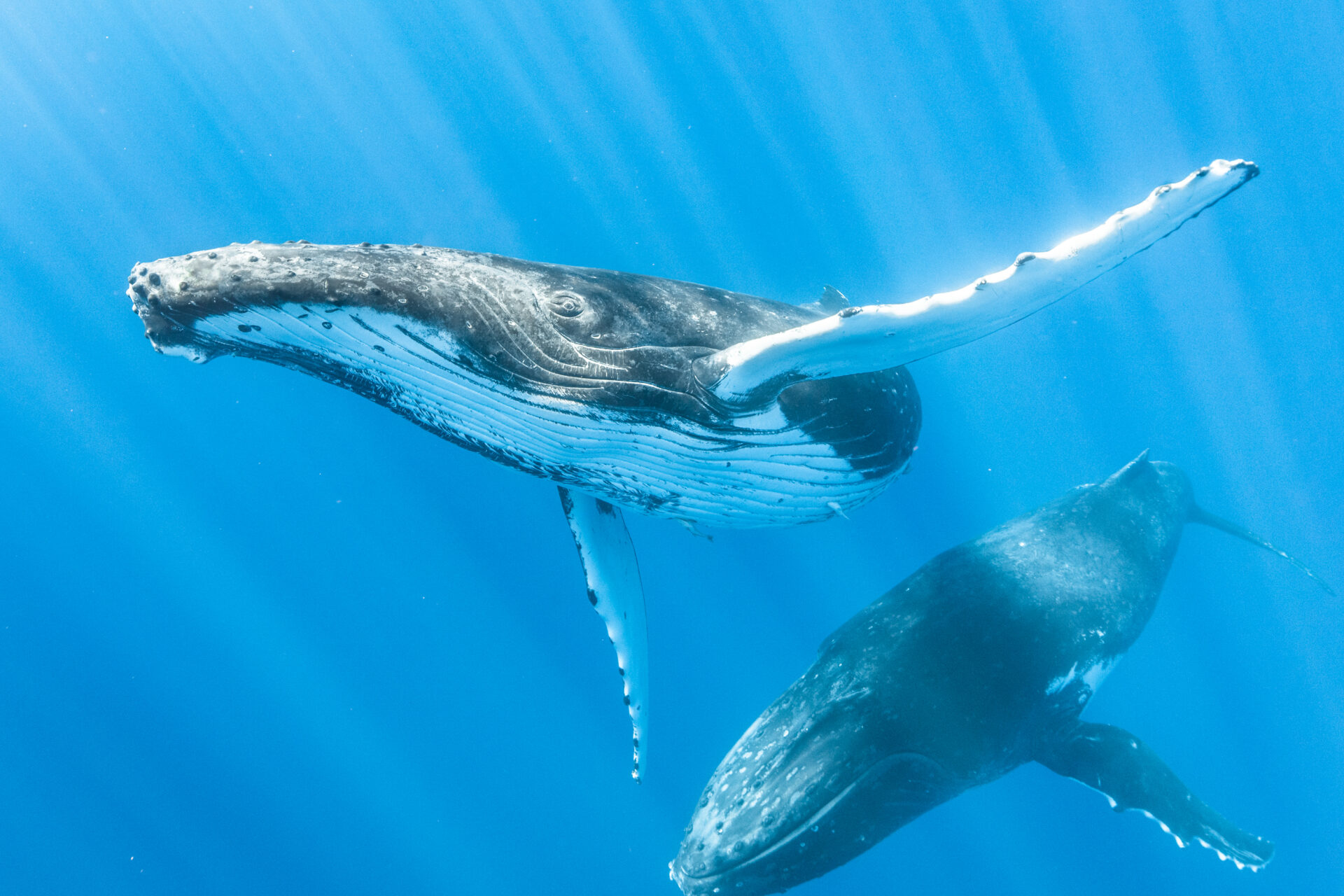
Covering more than one million hectares of ecologically vital ocean, the protected area lies off the coast of the state of Rio Grande do Sul and encompasses critical habitats for a range of cetacean species, including southern right whales and humpback whales, as well as the endangered La Plata and Lahille dolphins – two of the world’s most threatened river and coastal dolphin species.
The protections are far-reaching. Large portions of the park will be subject to complete fishing bans, while a 558,000-hectare buffer zone surrounds the core area. An additional environmental protection zone covers adjacent coastal stretches. Within the buffer zones, limited economic activity is permitted only under strict regulatory conditions – a compromise that acknowledges, but seeks to contain, the commercial pressures that long held the project back.
For years, the establishment of the protected area was repeatedly delayed by political resistance, with sections of the Brazilian government aligning with economic interests from the fishing and offshore wind power industries, both of which had significant stakes in the region.

In other news
The WDC team in Germany enabled representatives of partner NGOs to participate in key hearings in Brazil and contribute their expertise directly to the policy-making process. WDC also called on the public to engage – urging citizens to support the park in letters to the Brazilian Ministry of the Environment. The combined effort amplified conservation voices at the moments they were most needed.
Franziska Walter, managing director of WDC Germany, said: “Now it is important that the protective measures are consistently implemented and secured in the long term. WDC will continue to work with partners to make Albardão a safe habitat for whales and dolphins.”
The official establishment of the Marine National Park stands as proof that determined, persistent commitment to nature conservation can have an impact even under difficult political conditions.
For conservation advocates across the South Atlantic and beyond, Albardão is more than a protected area – it is evidence that the long game, played carefully and with strong partnerships, can still be won.


"*" indicates required fields
Printed editions
Current issue
Back issues


Enjoy so much more from Oceanographic Magazine by becoming a subscriber.
A range of subscription options are available.
