Industrial fishing has been depleting midwater fish for decades
New WHOI research reveals that industrial fishing has been heavily exploiting the ocean's twilight zone for decades, removing vast quantities of midwater fish while undermining carbon storage and ocean food webs.
Industrial fishing has been extracting substantial biomass from the ocean’s mesopelagic zone for decades, a new study has found, highlighting long-held assumptions that the so-called twilight zone – the expanse that sits between 200 and 1,000 metres below the surface – was yet to be exploited have been wrong for some time.
Conducted by Woods Hole Oceanographic Institution (WHOI) and published this week in Global Change Biology, new research focuses on a group of larger midwater fish species the authors have called ‘the dark web’ that inhabit or migrate through the mesopelagic zone.
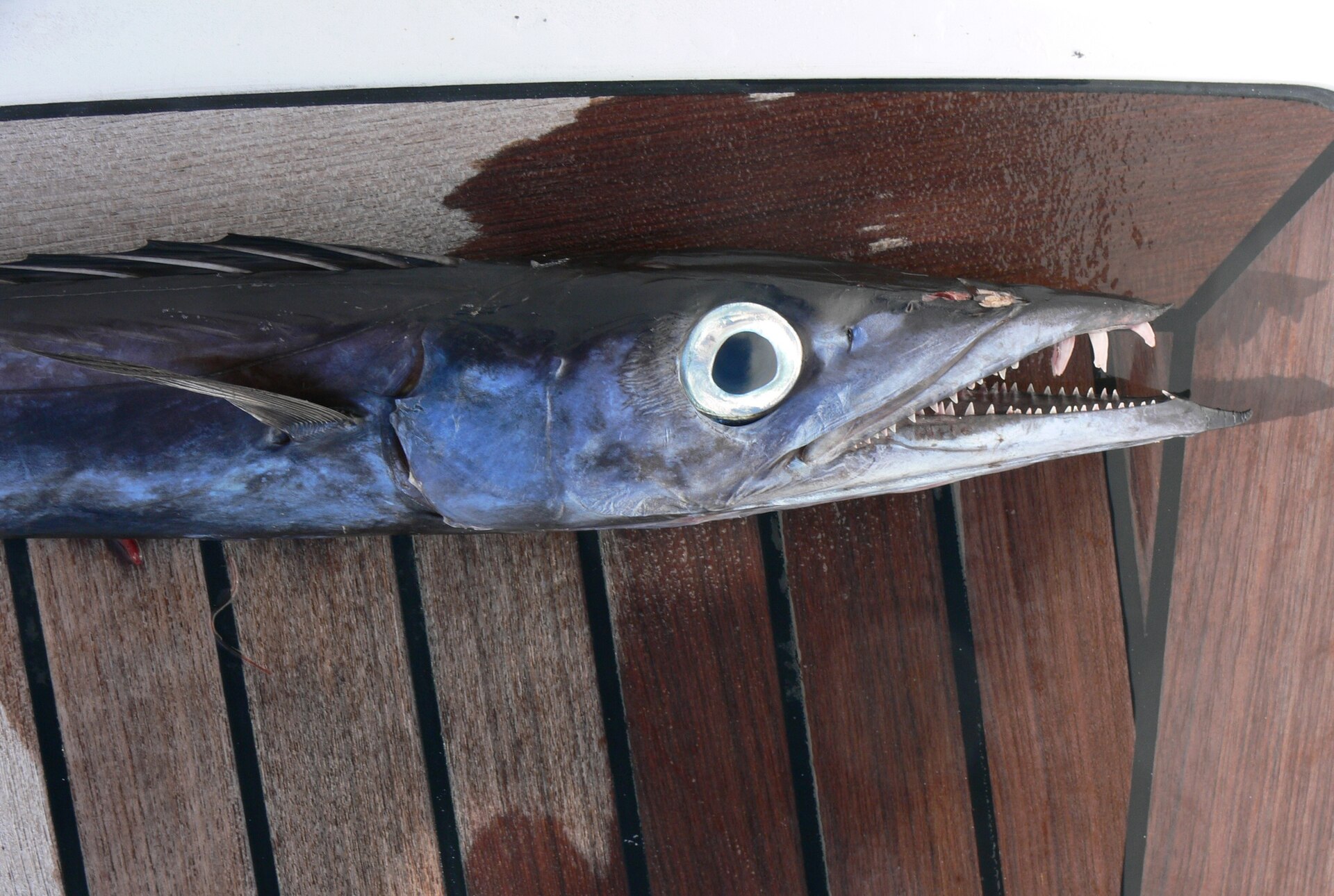
Unlike the smaller fish typically captured in research nets, these larger species – among them pomfrets, snake mackerels, and opah – have largely evaded scientific surveys. They have not, however, evaded commercial fishing vessels.
“Much of the discussion around the ocean twilight zone has assumed large-scale fishing there has not really begun,” said Martin Arostegui, lead author of the study and research associate at WHOI. “Our study shows that for these larger midwater fishes, that is simply not the case.”
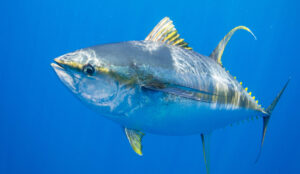
Drawing on decades of catch records from the Hawaiʻi-based longline fishery – one of the most detailed long-term datasets available – alongside published examples from fisheries around the world, the researchers found that catches of midwater species have grown substantially over time. In some fisheries, they now exceed catches of the traditional target species, tuna and swordfish, that the fleets originally set out to catch.
Beginning over a century ago as a small-scale operation,the Hawai’i longline fishery expanded dramatically through the 1990s as more effective fishing techniques were developed and export markets for previously overlooked species grew. As fishing effort increased and gear was directed progressively deeper, catches shifted heavily toward midwater species – and the commercial value of those species soared accordingly.
But as these increases were recorded, so too was the volume of discarded bycatch. Species such as lancetfish – considered commercially worthless – were returned to the ocean in vast numbers. The fate of those discarded animals, the study makes clear, is not the benign outcome the term “release” might imply.
“In many fisheries, so-called discard species are thrown back because they have little to no market value, but studies show that roughly 80 to 100% of these ‘dark web’ midwater fish die after release due to capture stress and injury, meaning they are effectively returned to the ocean already dead and simply sink out of the system,” said Simon Thorrold, co-author of the study and fish ecologist at WHOI.

In other news
The implications extend well beyond the fish themselves. Twilight zone species occupy a critical position in the broader ocean system – serving as prey for commercially valuable predators including tuna and swordfish, and playing a role in the biological carbon pump through their daily vertical migrations between deep and surface waters. As they feed near the surface at night and descend during the day, they transport carbon into the deep ocean, contributing to a process that helps regulate the Earth’s climate. Disrupting their populations, the authors warn, could have consequences that ripple outward through food webs, fisheries and the ocean’s capacity to store carbon.
The study also found evidence of heavy mesopelagic fishing pressure globally, including declining fish abundance, shrinking average body size and pervasive under-reporting that makes the true scale of exploitation difficult to assess and harder still to manage.
“We know surprisingly little about these fishes despite their likely importance to ocean ecosystems,” said co-author Camrin Braun, oceanographer and ecologist at WHOI. “That knowledge gap makes it difficult to understand how fishing pressure may already be affecting food webs and ocean carbon storage.”
The authors stop short of calling for immediate restrictions, but are unambiguous about what is needed: improved catch reporting, better scientific monitoring, and the integration of mesopelagic species into fisheries management frameworks that currently ignore them almost entirely. The institutional structures to support that oversight exist, they note. But what is lacking is the data and the political will to use them.
“This study highlights how much remains to be learned about life in the twilight zone and how urgently we need better monitoring and management,” said Arostegui.


"*" indicates required fields
Printed editions
Current issue
Back issues


Enjoy so much more from Oceanographic Magazine by becoming a subscriber.
A range of subscription options are available.
