Brown sea cucumber genome boosts Galápagos conservation
Scientists have decoded the first full genome of the endangered brown sea cucumber, providing Galápagos researchers with tools to track genetic diversity, support population recovery, and guide sustainable fisheries, marking a major step forward in marine conservation across the region.
In a scientific breakthrough that could transform efforts to protect and manage the recovery of one of the most endangered species in the Eastern Tropical Pacific, researchers have finally completed the first full genetic map of the brown sea cucumber.
It’s a study – now published in the scientific journal, Scientific Data – that provides the first high-quality genome for an endangered sea cucumber anywhere in the world. Try that on for size if you thought the brown sea cucumber (Isostichopus fuscus) was anything short of charismatic.
The research was led by Jaime Ortiz, a Galápagos native and PhD candidate at Cornell University, in collaboration with the Charles Darwin Foundation (CDF) and supported by a Revive & Restore grant. By decoding the species’ complete DNA, the team has created a powerful tool for conservation, offering unprecedented insight into genetic diversity, adaptation, and resilience.
“For me, this work is deeply personal,” Ortiz said. “By assembling the genome of the brown sea cucumber, we now have a detailed picture of how this species functions at a molecular level. This allows us to study genetic diversity, adaptation, and resilience in ways that were simply not possible before, and to use that knowledge to support long-term conservation, for the benefit of both nature and the people who depend on it.”
The brown sea cucumber plays a critical role in marine ecosystems, recycling nutrients on the seafloor and supporting coral reef health. It is also economically important, sustaining a global market worth around US $3 million annually, most of which is exported to China. Decades of overfishing along the Pacific coast – from Mexico to Ecuador – have caused populations to collapse across much of its range.
In the Galápagos, wild brown sea cucumbers are legally harvested under a strictly regulated artisanal fishing system. Management decisions are guided by science and continuous monitoring, with fishing only allowed when populations have recovered sufficiently.

In other news

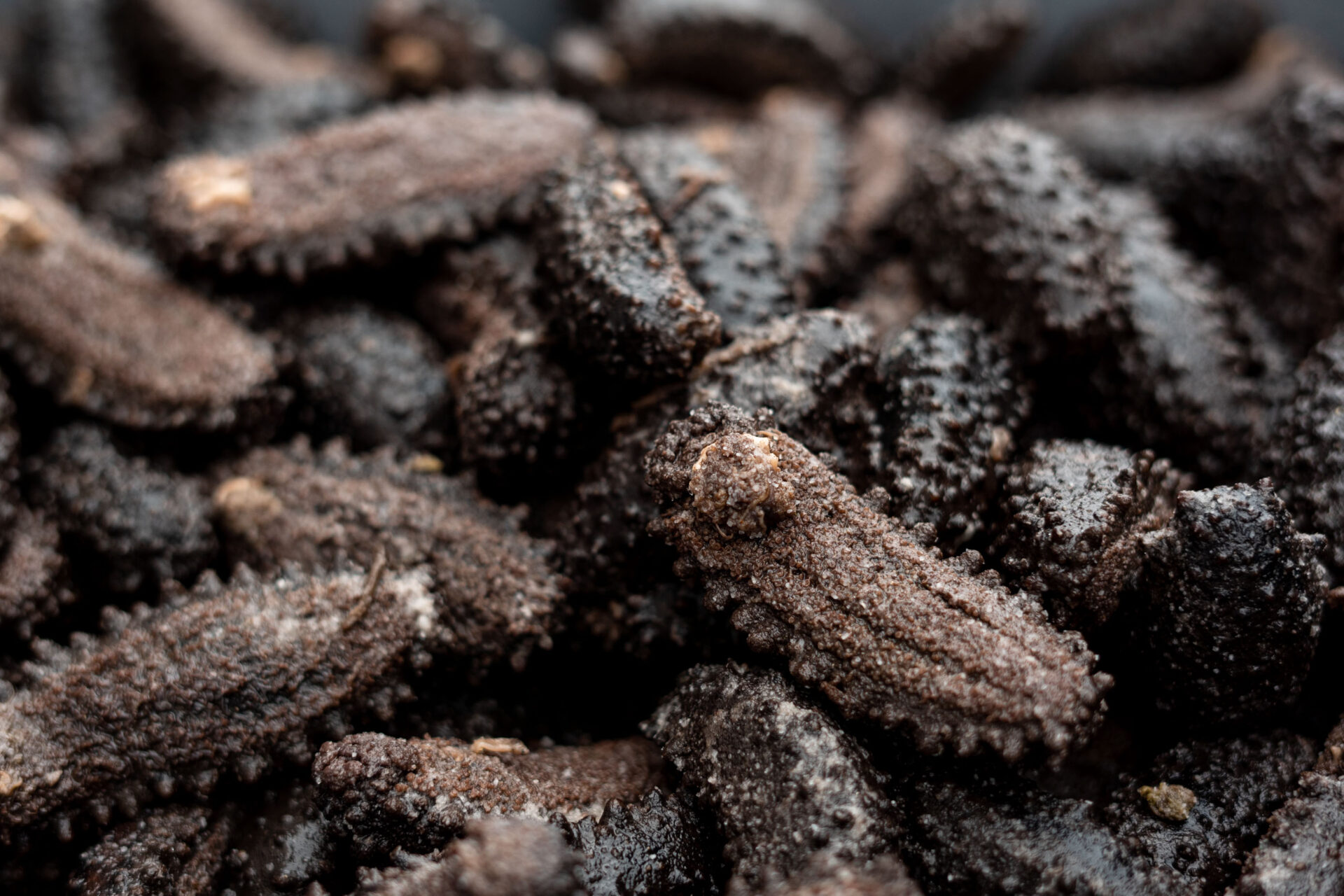
The new genome strengthens conservation beyond traditional monitoring. With an annotated, chromosome-level map, scientists can now track genetic diversity across populations, detect early signs of stress from overfishing or climate change, and identify areas where populations may be vulnerable. This allows managers to set fishing limits informed not only by population size, but also by genetic diversity and adaptive potential.
The reference genome also provides a foundation for recovery. By identifying genetic differences associated with survival, growth, and environmental tolerance, environmental managers can prioritise individuals and populations most likely to adapt and persist over the long term.
“Science-based models are essential for making informed decisions about marine resources,” said Jorge Ramírez, Co-Principal Investigator of the Sustainable Fisheries Program at the Charles Darwin Foundation. “Genetic tools like this genome allow us to move from short-term indicators to a deeper understanding of population health.
“Just as importantly, this science supports collaborative management with fishing communities, helping create solutions that work for both people and nature.”
The collaboration between CDF scientists and genomics experts at Cornell marks a new, genomics-driven approach to managing threatened marine species. Instead of relying on limited DNA markers, conservation decisions can now be informed by complete genomic evidence.
Globally, only eight of more than 1,800 known sea cucumber species have complete genome maps. This study provides the only high-quality reference for an endangered sea cucumber, making it a valuable resource for conservation far beyond the Galápagos. The methods developed through this research can be applied to other threatened marine species facing pressures from overfishing and climate change.
Published as open access in Scientific Data, the genome is freely available to researchers, managers, and decision-makers worldwide. Open access was made possible with support from the Charles Darwin Foundation, reflecting a commitment to sharing knowledge that strengthens global conservation efforts.


"*" indicates required fields
Printed editions
Current issue
Back issues
Enjoy so much more from Oceanographic Magazine by becoming a subscriber.
A range of subscription options are available.
