Campaigners call for an end to Scotland's guga hunt tradition
Petitions and protests have been raised against the Scottish tradition of hunting young seabirds for meat. Hunters say the century-old practice is part of their heritage, while campaigners argue the practice targets a bird species with a declining population, and raises concerns about animal welfare.
Wildlife campaigners are calling for an end to the Scottish tradition of hunting young seabirds for their meat on an uninhabited island in the Outer Hebrides.
The controversial annual tradition, also known as guga hunting, dates back to the 15th century, but has come under fire from environmental campaigners and conservationists in recent years for being ‘outdated.’.
The practice involves groups of local men travelling to the remote island of Sula Sgeir to trap hundreds of young gannets – otherwise known as gugas – for food.
While hunters argue that the century-old practice is an important part of their heritage, animal rights campaigners have called guga hunting ‘a blood sport’. They say that while the hunt was once used to feed a poor population, under the standards of modern living, it is no longer needed.
Earlier this week, members of the animals rights NGO, Protect the Wild gathered outside the Scottish Parliament to protest and condemn the annual guga hunt.
Concerns over avian flu in 2022, 2023, and 2024 meant the hunt had a three year hiatus, but a licence was granted for 500 birds in 2025. In August, 485 young gannets were taken from the island.
Scottish regulatory body NaturScot said the cultural significance of the hunt was recognised under the Wildlife and Countryside Act 1981 and hunters must apply for licenced permission every year.
NaturScot has also said that they reduced the number of licences granted, from 2000 to 500 to allow the population to recover from the impact of avian flu.

In other news




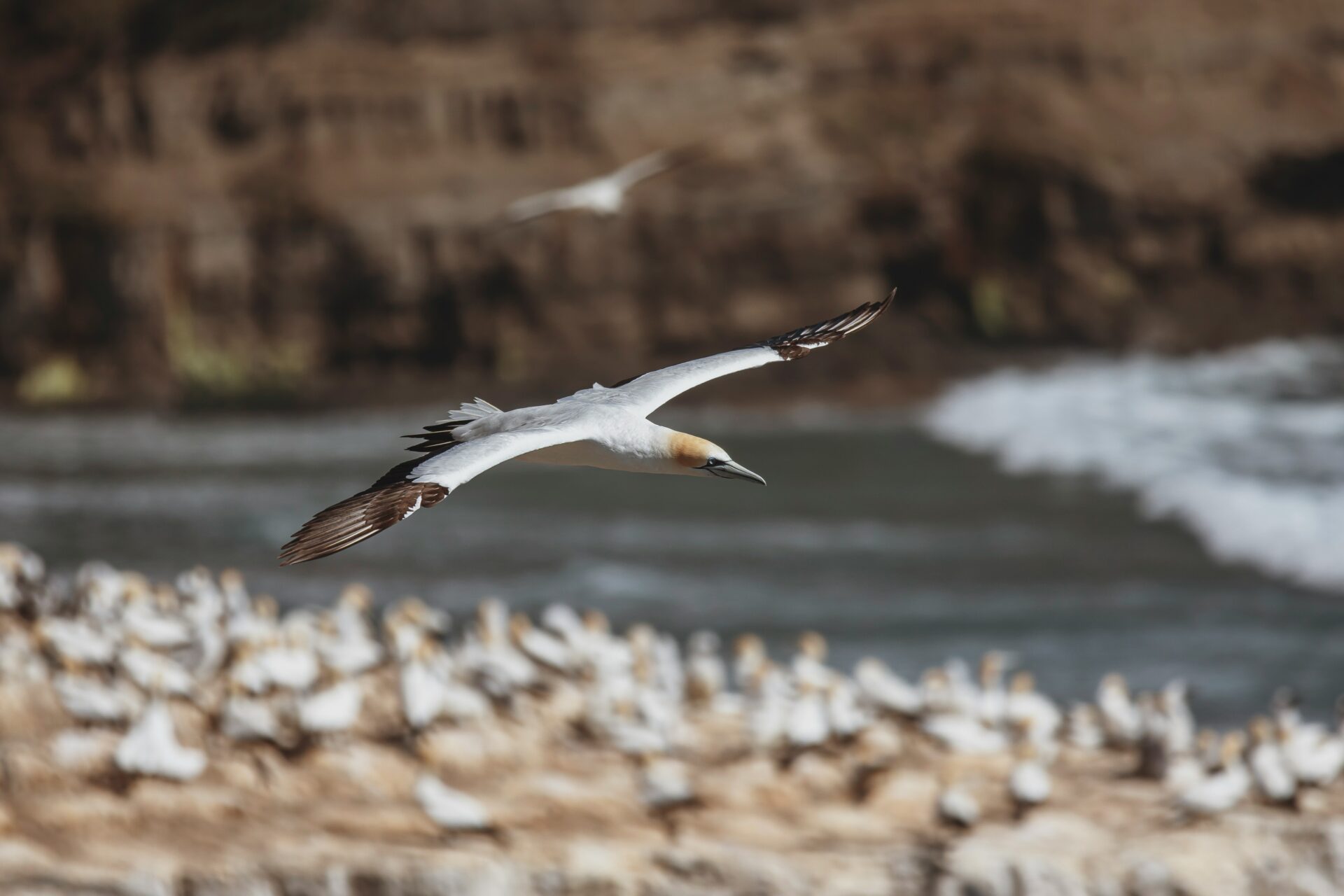
Award-winning nature photographer Rachel Bigsby has spent more than a decade documenting Northern Gannets across Scotland and Shetland. She launched a petition against Guga hunting last November. It has gained more than 50,000 signatures so far, and it is set to be considered by the petitions committee on 21 January.
Bigsby said she started the petition as over the years she has “seen both the beauty of these colonies and how fragile their future has now become.”
Gannets hold an Amber list conservation status due to recent declines in their population.
“The guga hunt no longer serves a survival or food-security function. The question is what it achieves today, and whether that justifies killing the young of a species that is already below its conservation threshold,” Bigsby added.
Specialising in photographing birds in the wild, Bigsby has also raised concerns about the regulation of animal welfare and sustainability in the guga hunt.
“Freedom of Information responses have shown that for several years there was no effective compliance monitoring of licence conditions, no verified records of how birds were killed, and no enforcement action, despite licences continuing to be issued,” she said.
NaturScot director, Robbie Kernahan, has said: “We are aware of the concerns about animal welfare and want to stress that it is a condition of our licence that birds should be killed humanely.”


"*" indicates required fields
Printed editions
Current issue
Back issues


Enjoy so much more from Oceanographic Magazine by becoming a subscriber.
A range of subscription options are available.