"Chemical cocktail" threatening endangered Fraser River salmon
New research reveals that the vital, unprotected nurseries of the Lower Fraser Estuary of Chinook salmon are polluted with a toxic soup of more than 200 contaminants.
Critical international habitats for Chinook salmon are contaminated with a toxic chemical cocktail of diabetes medications, antidepressants, caffeine, and cocaine – threatening the endangered species at their most vulnerable life stage, according to new research.
Young Chinook salmon arrive at the Lower Fraser Estuary in British Colombia, Canada, roughly the size of a door key (35mm). Here they live, feed and swim until they double in size and migrate out into the open ocean.
The stock in this area is uniquely important to the broader Chinook salmon population as it acts as the primary biological anchor for the species’ numerical abundance, genetic diversity, and evolutionary resilience in the Fraser River system.
But, researchers found that the same water where these salmon spend the first month or two of their lives is also contaminated with more than 200 chemicals, including common blood pressure and diabetes medications, antidepressants, caffeine and cocaine.
The study was Published in Environmental Toxicology and Chemistry, the risk-based screening study focused on juvenile Harrison River Chinook, the largest Chinook stock in the Lower Fraser River.

In other news

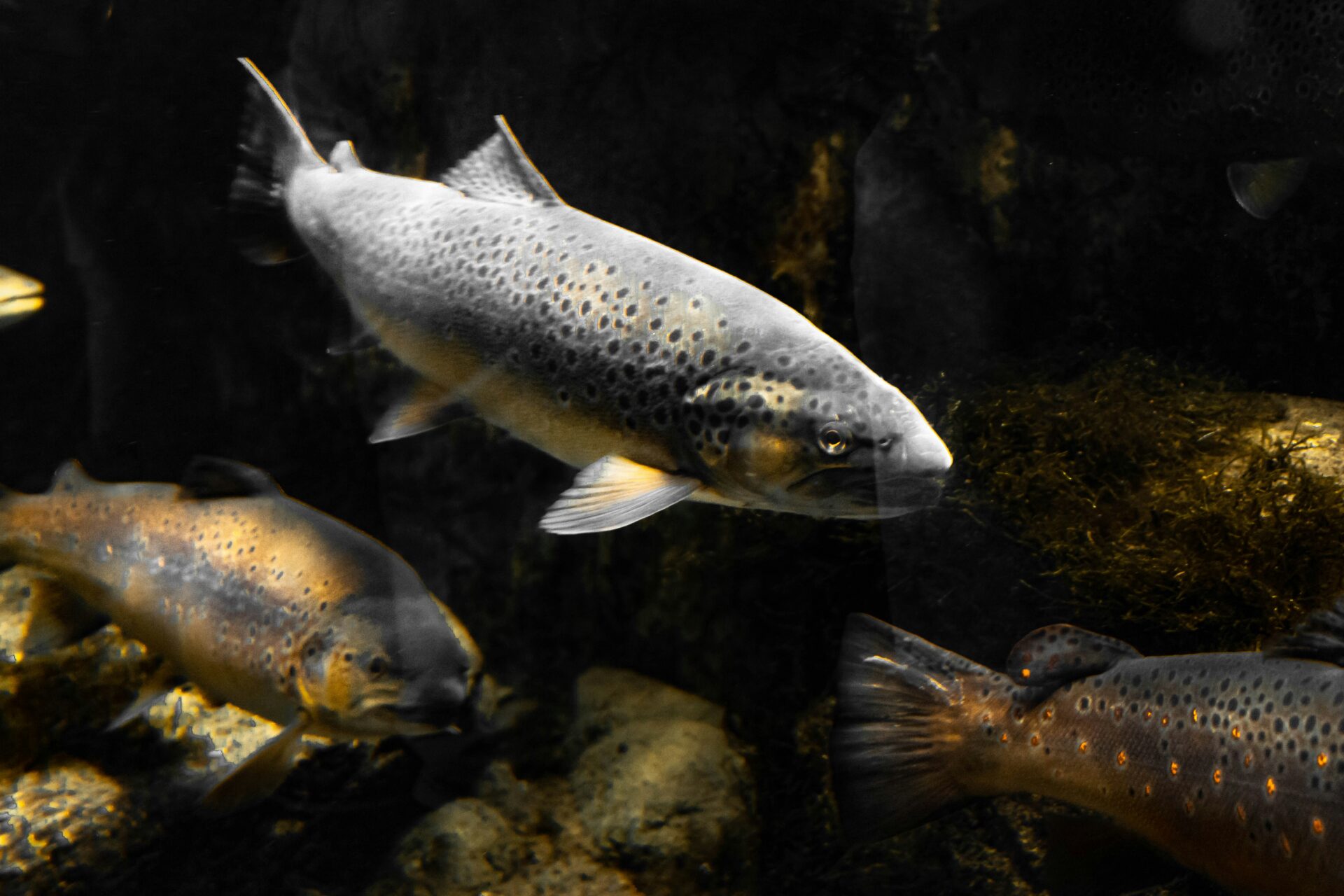
Juvenile Chinook in the Fraser River estuary are already contending with rising water temperatures and pathogen exposure, said Dave Scott, a salmon biologist at Raincoast Conservation Foundation and study co-author.
Decades of population declines mean more than 85% of Chinook populations are now classified as Endangered or Threatened by the Committee on the Status of Endangered Wildlife in Canada (COSEWIC).
This may also be of detriment to broader land and marine ecosystems.
“Chinook salmon from the Fraser River account for up to 90% of the West Coast’s Endangered Southern Resident killer whales’ diet during the summer months,” said Tanya Brown, marine ecotoxicologist and senior study author.
“Harrison Chinook in particular arrive at very small sizes and depend heavily on these habitats for growth prior to entering the ocean,” Scott added, “Contaminant exposure is an additional stressor acting on the same fish during the same critical window.”


"*" indicates required fields
Printed editions
Current issue
Back issues
Enjoy so much more from Oceanographic Magazine by becoming a subscriber.
A range of subscription options are available.
