Climate change leaves basking sharks facing UK habitat shift
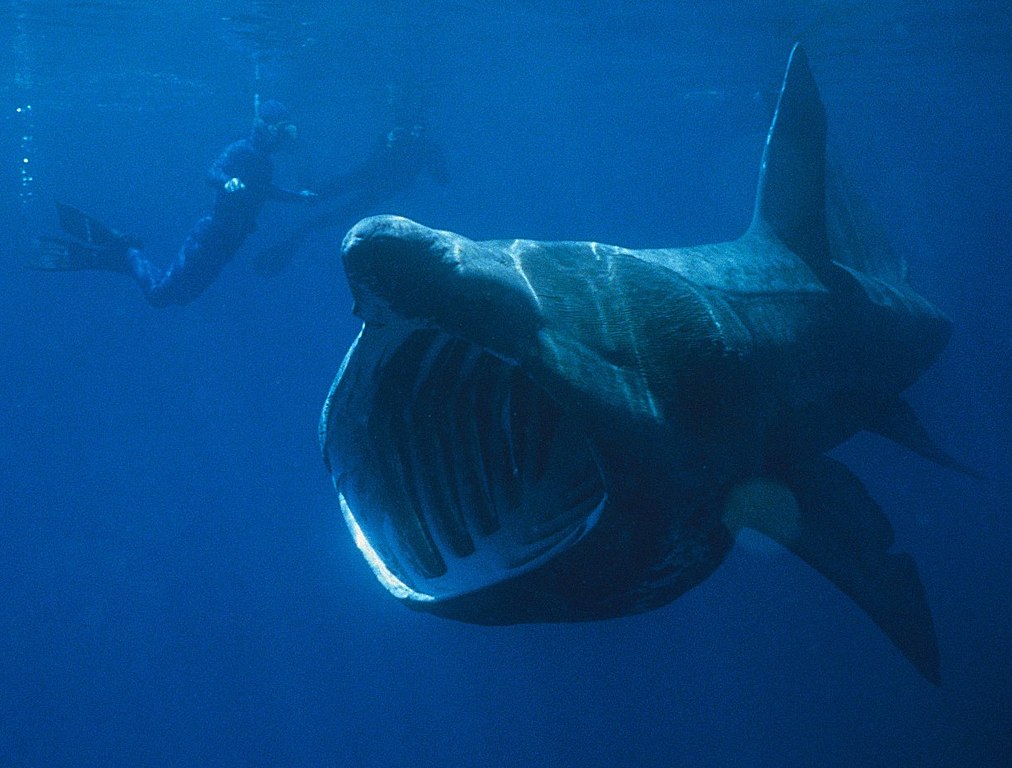
As climate change warms UK waters and changes ocean salinity, species including basking sharks, spurdogs, thornback rays, and undulate rays could gain more suitable habitat, while others found on the seabed - including sea pens - could lose up to 40% of their suitable habitat by the end of the century.

Climate change is reshaping the UK’s marine environment making regional waters more suitable for an increase in some species – including basking sharks, spurdogs, and thornback rays – while leaving others more vulnerable to a significant decline.
A first-of-its-kind study has revealed how climate change is reshaping the lay of the land for the UK’s marine life, impacting 19 different threatened or declined species – from basking sharks to soft corals – under projected sea temperature rises.
Key findings of the study – one now published in the scientific journal Marine Biology – include a prediction of a ‘northward shift’ of marine species, particularly those currently designated as ‘threatened or declining’.
Most of these species show increasing habitat suitability toward northern and central North Sea waters over the next 50 years. According to the study, these areas may become biodiversity ‘hotspots’, while some southern and western waters risk losing key species as habitats become less suitable.
It also anticipates that there will be climate ‘winners’ and ‘losers’, suggestion that species like basking sharks, spurdog, thornback ray, and undulate ray could gain more suitable habitat, while others found on the seabed – including sea pens – could lose up to 40% of their suitable habitat by the end of the century.
This could impact the entire ecosystem that depends on them.
Native Oysters, which have seen a 95% decline in UK populations since the mid-19th century, are expected to see a doubling of suitable habitat.
In other news
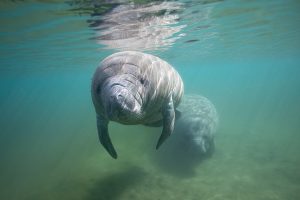
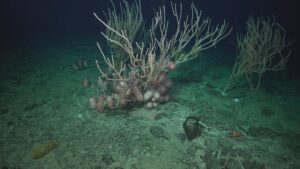
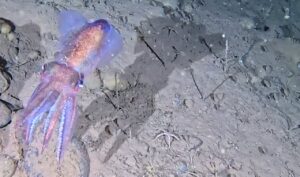
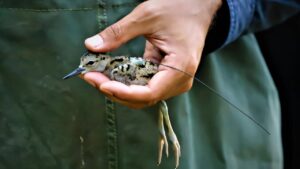
Insights such as these – providing a better understanding of how climate change many affect species’ breeding grounds or their ability to find prey – will prove to be crucial in forming future conservation and management strategies.
“We know that climate change is having a huge impact on our ocean – with evidence suggesting that 70% of UK fish species in the UK, which are not only important from a conservation perspective, but for marine ecosystems, are also affected,” said Bryony Townhill, Principal Climate Change Scientist and author of the study.
“Our findings show that climate change is beginning to redraw the map of UK marine life. While some species may expand into new areas, others face an uncertain future – especially in areas without protection.”
The study – led by the Centre for Environment, Fisheries, and Aquaculture Science (CEFAS) – suggests that more mobile species may be more adaptable to climate pressures, provided human disturbance is minimised. This mobility gives them an advantage in seeking out more favourable conditions, but static or coral species (sea pen, sea fan, ocean quahog) may be more affected by environmental change.
For species facing habitat decline, meanwhile, the researchers emphasise the need to consider ‘habitat connectivity’ when designing management options to allow species to move through changing marine environments and reach suitable areas as conditions shift.
“To help species adapt, we need to create habitat corridors, closely monitor their movements, and ensure fisheries and conservation management measures evolve with the changing climate.”
The seas around the British Isles – particularly the southern North Sea – have been identified as marine climate change ‘hotspots’. This is among 20 sites globally that have warmed fastest over the past 50 years.
In a 2020 report card, the UK Marine Climate Change Impacts Partnership Programme predicted that sea water temperature in the UK will increase between 0.25°C and 0.4°C per decade. Factors such as sea temperature, salinity, and seabed sediment type were used to assess whether climate change would lead to an ‘increase’ or ‘decrease’ in the amount of suitable habitat available around the UK over the coming century.
While the impact of climate change on commercial fish stocks is widely recognised, the study is one of the first to analyse the potential impacts of climate change on habitats of important and vulnerable conservation species in UK waters.


"*" indicates required fields
Printed editions
Current issue
Back issues


Enjoy so much more from Oceanographic Magazine by becoming a subscriber.
A range of subscription options are available.
