Critically threatened bird put at risk by Guga Hunt
Disturbance to nesting burrows caused by blocking access to burrows, disrupting feeding and causing stress and disorientation.

A rare, red-listed seabird is being put at risk by Scotland’s annual guga hunt, a Freedom of Information request from animal campaign group Protect the Wild has revealed.
The controversial annual tradition of hunting young gannets for their meat dates back to the 15th century, but recently it has come under fire from environmental campaigners and conservationists in recent years for being ‘outdated.’
Advocacy group Protect the Wild obtained documents which showed the tradition also endangers Leach’s storm petrels, which are classified as red-listed on the International Union for Conservation of Nature’s Red List of Threatened Species, and the UK’s Birds of Conservation Concern.
Gannets also hold an Amber list conservation status due to recent declines in their population.
The island in the outer Hebrides where this Guga Hunt takes place is home to 6% of the birds’ UK breeding population.
NatureScot officials state the guga hunt causes a disturbance which “could cause a reduction in breeding success through nest abandonment or chick mortality.”
This disturbance, according to the document, is largely caused by blocking access to burrows, disrupting feeding and causing stress and disorientation.

In other news

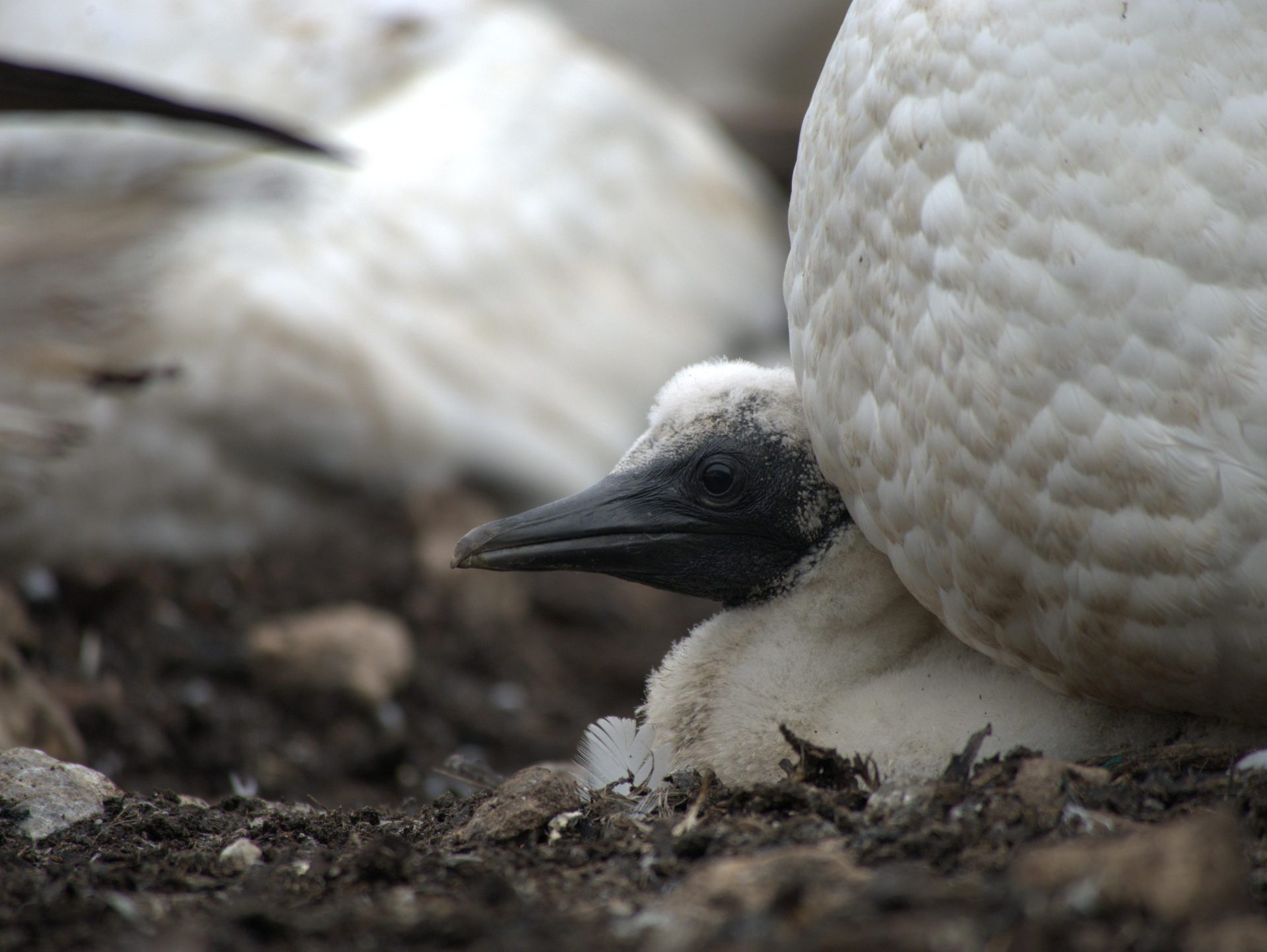
Pressure is mounting on the Scottish government to revoke the license for these hunts, due to concerns over animal welfare and the bird’s population numbers.
Last November, award-winning nature photographer Rachel Bigsby launched a petition against Guga hunting. With over 100,000 signatures, the petition to ban the annual killing of young gannets will be carried forward to the new Parliament following the May 2026 election, ensuring continued scrutiny.
Hunters argue that the century-old practice is an important part of their heritage.
But animal rights campaigners have said that while the hunt was once used to feed a poor population, under the standards of modern living, it is no longer needed.
Petition leader Rachel Bigsby told Oceanographic: “The guga hunt may once have originated as a historic food source, but it now exists within a completely different environmental reality. Scotland’s seabirds are already collapsing under the pressure of avian influenza, climate change, overfishing, plastic pollution, collapsing marine ecosystems and entanglement in discarded fishing gear.”
“It was NatureScot’s failure to act meaningfully that led me to launch my petition. Because right now, the fate of seabirds seems to depend largely on geographical luck. Seabirds are protected from harm on every other island in the UK yet on Sula Sgeir, the same birds are exempt from that protection. I cannot stay silent whilst vulnerable seabirds continue to pay the price for it,” she added.
A NatureScot spokesperson said: “In considering whether to grant a licence we assess the impact of disturbance, including stress, on adult behaviour, chick feeding frequency and breeding success for each of the species that breed in the North Rona and Sula Sgeir SPA. If granted, the licence would include conditions to avoid or minimise disturbance, including that fulmar and storm petrel breeding sites be avoided.”


"*" indicates required fields
Printed editions
Current issue
Back issues



Enjoy so much more from Oceanographic Magazine by becoming a subscriber.
A range of subscription options are available.
