Trump administration seeks to slash NOAA funding by $1.1 billion
The $1.1 billion cut targets research on marine wildlife, ocean currents, and fish populations, endangering around 1,450 federal positions. Previous budget constraints last year led to the loss of 400 staff members within NOAA Fisheries.
US federal ocean management is facing a precarious financial future as the Trump administration proposes a 17% reduction to the National Oceanic and Atmospheric Administration (NOAA) budget.
The $1.1 billion cut targets critical research on marine wildlife, ocean currents, and fish populations, endangering approximately 1,450 federal positions.
The proposal follows a tumultuous 2026, where previous budget constraints already led to the loss of 400 staff members within NOAA Fisheries. Adding to the pressure, the US House of Representatives’ Commerce-Justice-Science Appropriations Subcommittee recently released its own fiscal bill, which suggests a separate 5.2% cut to operations.
Environmental NGOs and industry stakeholders have voiced immediate concern.
“Cuts to NOAA are a direct threat to America’s fisheries, wildlife, coastal economies, and food security,” said Oceana Vice President Beth Lowell.
The economic stakes are particularly high for coastal communities. In 2023, US commercial and recreational fishing generated $319 billion in sales and supported 2.1 million jobs.
NOAA Fisheries currently manages more than 500 stocks, including high-value species like salmon, cod, and halibut. Industry advocates warn that a $77 million reduction in fisheries science will leave managers “blind,” potentially leading to overfishing or unnecessary closures that cause long-term economic instability.

In other news


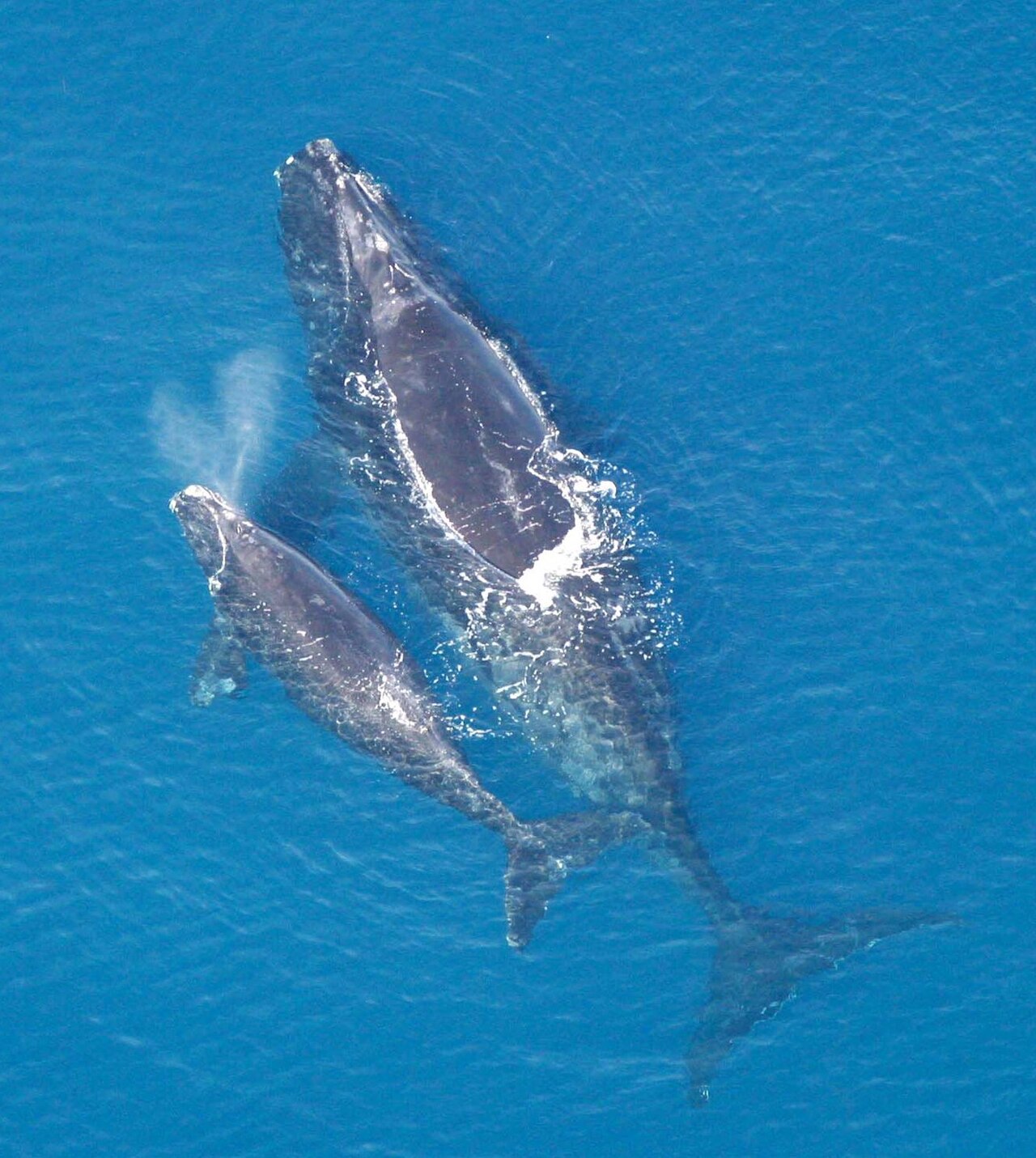
The administration also proposes a significant structural shift: transferring the Office of Protected Resources from NOAA to the US Fish and Wildlife Service. This move would uproot the team responsible for leatherback sea turtles and the North Atlantic right whale, potentially stripping millions in specialised marine funding.
The House bill also includes a controversial policy rider that would eliminate funding for vessel speed restrictions. These measures are the primary defense for the Rice’s whale – one of the world’s rarest mammals with only 51 individuals remaining – and the North Atlantic right whale.
While the latter has shown a promising calving season recently, with the 2024-2025 cycle being the highest in years, removing ship-strike protections could reverse progress.
The budget proposal will now move to the House floor, where lawmakers will debate whether to codify these steep cuts into law or reject them for the second consecutive year.
“If passed, these new cuts would further jeopardize NOAA’s ability to function, putting our oceans, fisheries, wildlife, and communities at risk. Congress needs to step in, once again, to fully fund NOAA,” added Lowell.
Click here for more from the Oceanographic Newsroom


"*" indicates required fields
