"Energy independence goes hand in hand with ocean recovery"
Yesterday, the King introduced to Parliament the government’s flagship Energy Independence Bill. This is a once in a generation opportunity for the UK to hold its course on pioneering and truly progressive leadership to protect our seas from big oil.
By Hugo Tagholm
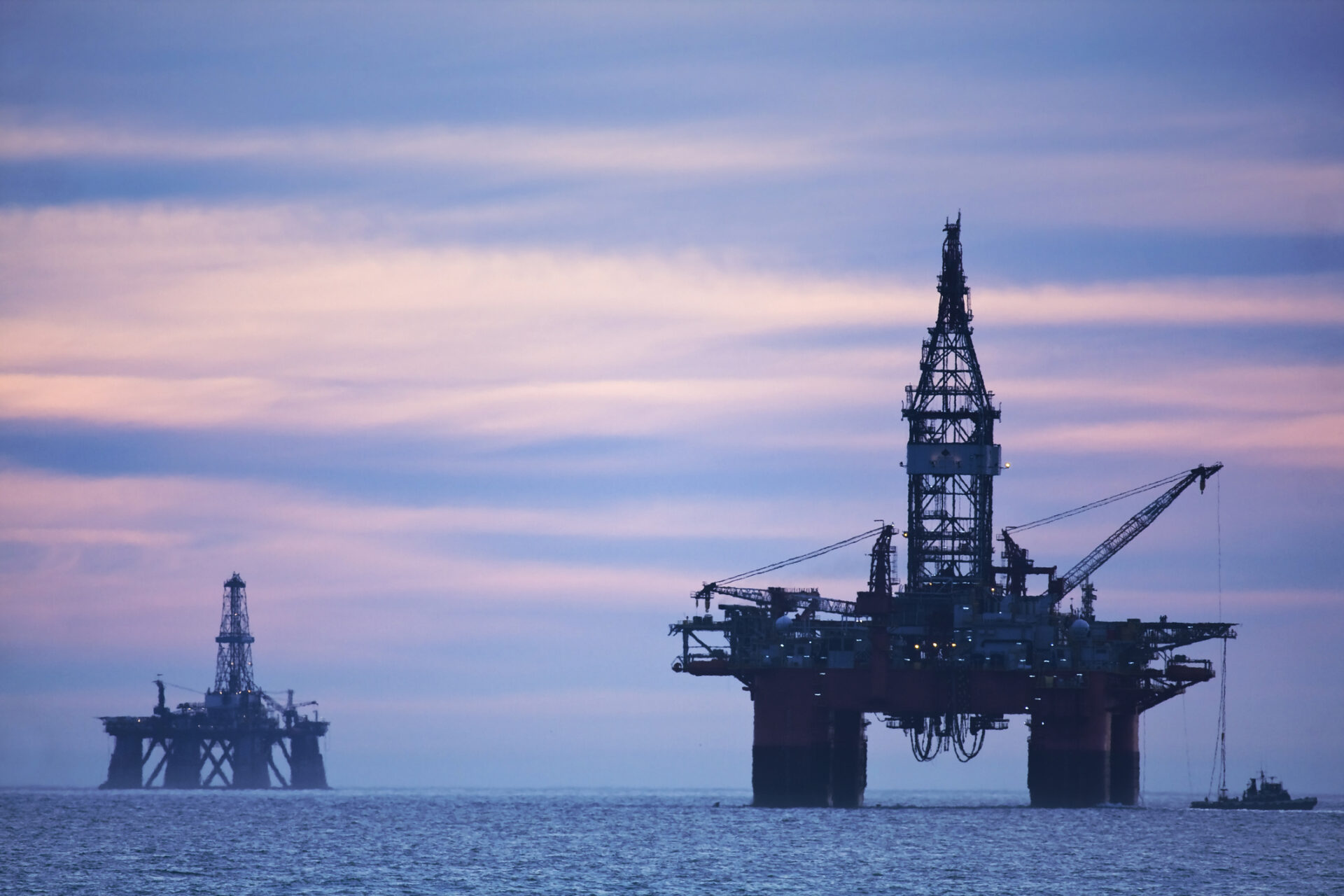
We find ourselves at an historic moment for energy and the health of UK seas. Yesterday, the King introduced to Parliament the government’s flagship Energy Independence Bill. This is a once in a generation opportunity for the UK to hold its course on pioneering and truly progressive leadership to protect our seas from big oil industry pollution, and secure a cleaner, greener, cheaper and more secure energy future for us all.
The bill will essentially end new oil and gas exploration in UK seas. And rightfully so. Chasing after the dwindling, hard to reach and environmentally dangerous North Sea oil reserves makes no sense. Even the executive director of the International Energy Association, Fatih Birol, recently went on record to say that the UK shouldn’t go ahead with the majority of North Sea oil expansion.
It wouldn’t lower bills or secure energy supplies; it would just risk more ocean pollution and catastrophic harm to marine wildlife for the sake of appeasing Big Oil Billionaires and their mates.
The oil industry might not like to hear this truth, but the evidence is weighted against them. The UK should be proud to be leading the way on the ocean energy transition and keeping oil underground. This is nature’s unrivalled carbon capture and storage technology.
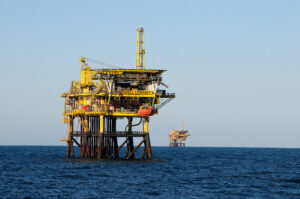
Make no mistake, oil industry profiteering has been central to the destruction and devastation caused in our seas for years. From major oil spills like the Braer tanker disaster in 1993 to the dozens of smaller, regular oil spills they are responsible for in and around UK marine protected areas annually. The dirty fingerprints of ocean pollution can be traced to the oil industry, and its myopic focus on getting more of your money.
For decades we were told this was the only way. Recent events in Iran have perhaps unexpectedly changed this forever, exposing the weakness and danger posed by a continued over-reliance on fossil fuels. We must do more to move beyond fossil fuels and take back control of our energy, cost of living and ocean protection.
If there’s one thing I understand from decades of campaigning for clean water and thriving seas, it’s that these harms are the predictable result of profits being prioritised ahead of people or planet. These companies privatise their profits and socialise the harms they cause. We pay the price for that, alongside marine life right around our island nation.

In other news

It’s the same whether it’s sewage or oil. Different pollutants and different industries. The same playbook. It’s a scam, a Ponzi scheme, a trick. It seems many world leaders have Stockholm Syndrome for their oil and big industry captors. But the UK seems to be breaking free.
On average there were 12 spills or permit breaches every week in 2025. In just one example, government records show that oil company Enquest Heather breached their operating permit at the Magnus platform every single month of 2025 by discharging oily waste into the sea in concentrations higher than regulations allow. No government investigation has been opened into these breaches or the many other similar breaches by other oil companies.
The same companies that spilled tonnes of oil into UK seas in 2025, are ranked as some of the companies most intensely lobbying governments on energy policy by the thinktank InfluenceMap. Unsurprisingly, the British public wants change. A new YouGov poll commissioned by Oceana UK found that nearly two thirds are concerned about the impacts of oil pollution on our seas.
Time and time again they try to pull the wool over our eyes with claims that these spills are the price we must pay to for our energy. Staggeringly, they argue we need more oil. Even the biggest oil producer in the world, the USA, cannot protect the public from fossil fuel energy price spikes. So, it’s clear drilling for more risky North Sea oil will do nothing for energy security or the cost of living. It’s just part of the profiteering, ocean polluting scam. Back to the executive director of the International Energy Agency, Fatih Birol “It is up to the government, but these fields would not change much for the UK’s energy security, nor would they change the price of oil and gas. They would not make any significant difference to this crisis.”
New North Sea oil only guarantees more pollution, more harm to our seas and more dither and delay for the progressive North Sea industries that are ready and waiting to develop clean, cheap, renewable energy, and provide jobs and prosperity in coastal communities long into the future.
Our ocean belongs to us all, not a few select companies. Our seas are living systems, cultural anchors, and sources of joy and wellbeing. We should protect them, cherish them and be proud of them.
The government must hold its course to end new offshore oil and gas. They are right to be first adopters. The UK has always been a nation at the front of the industrial revolution, and let’s keep it that way. Leading, not following. Looking forwards, not backwards. Having the Churchillian courage to secure the freedom and future of our nation, the prosperity of our communities and ensuring thriving seas for generations to come.
The Energy Independence Bill can help make our nation greater and stronger than ever and bring an ocean of hope for the future.


"*" indicates required fields
Printed editions
Current issue
Back issues



Enjoy so much more from Oceanographic Magazine by becoming a subscriber.
A range of subscription options are available.
