Fin-mounted cameras reveal the "secret lives" of whale sharks
Whale sharks are some of the ocean’s most beloved and charismatic species, and now researchers have new insights into how they feed and how this might change in response to climate change.
Whale sharks are globally recognised as the largest fish in the sea, yet their lives beneath the ocean surface have long remained a profound mystery.
Traditionally, scientific understanding of these endangered filter-feeders has been limited to surface-level observations from boats or snorkels.
However, by deploying high-resolution camera tags directly onto the sharks, researchers have captured footage of the giants chasing krill and foraging in ways never witnessed before.
The study was led by researchers Christine Barry and Luciana C Ferreira, and utilised innovative, non-invasive electronic tags attached briefly to the dorsal fins of juvenile whale sharks at a coastal gathering site near Ningaloo Reef in Western Australia.
These advanced devices combine high-resolution movement trackers with small cameras, providing a shark’s-eye view of the environment. Programmed to release automatically after 24 hours, the tags allowed scientists to follow the sharks down to depths of 70 metres (230 feet) without altering the animals’ natural behaviour.
By combining this new video data with a comprehensive review of over 100 past scientific publications, the research team constructed the largest catalog of whale shark behaviours to date, identifying 36 distinct actions.
The most startling revelation challenged the long-held belief that whale sharks predominantly feed at the surface. Instead, the footage exposed a highly dynamic, multi-layered foraging strategy spanning the entire water column down to the seafloor.

In other news



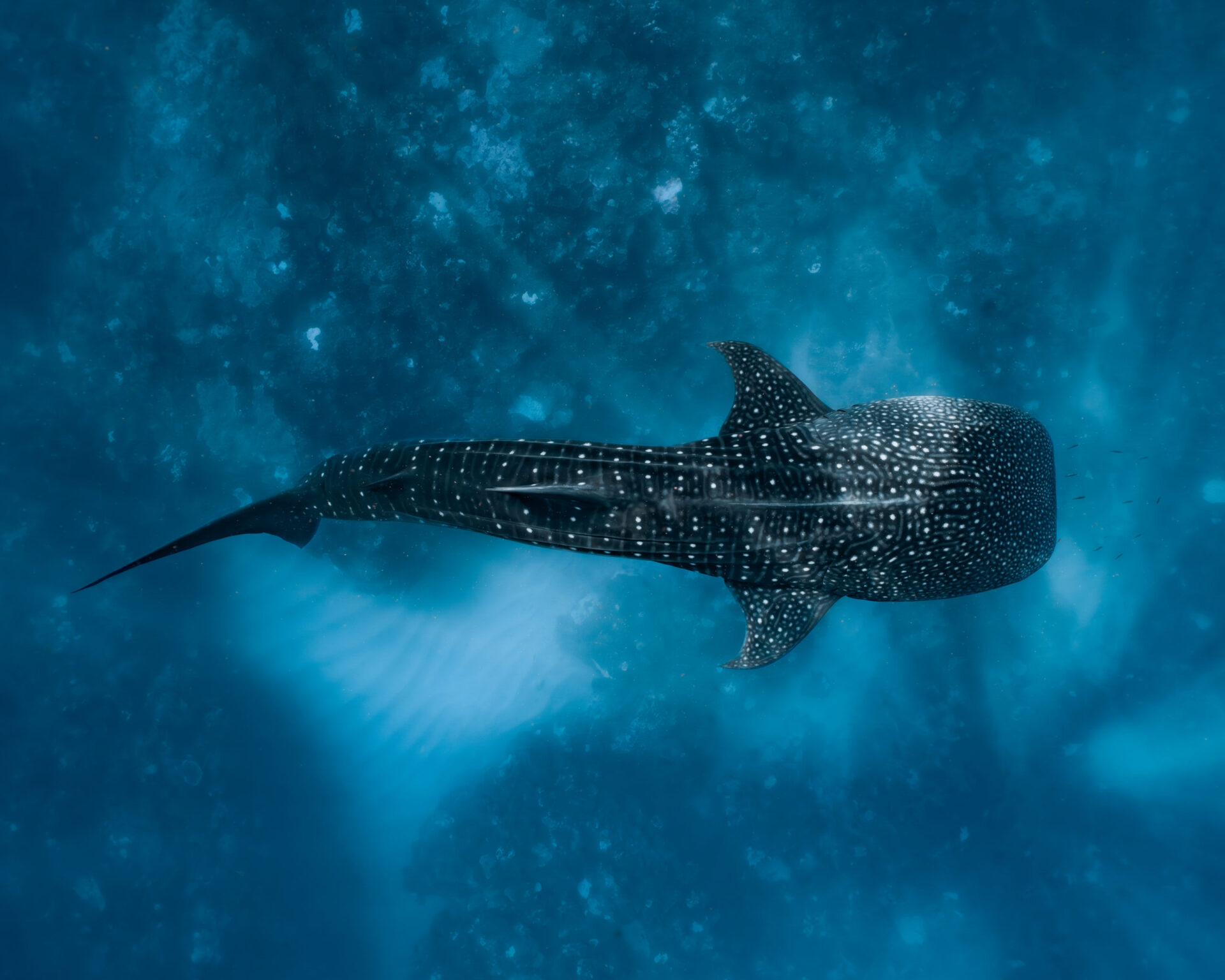
The sharks exhibited a spectrum of energy expenditure while hunting their preferred prey, krill. At one extreme, they engaged in high-energy “active surface feeding,” vigorously swimming through dense krill swarms. At the other, they utilised incredibly low-effort techniques.
The data showed that whale sharks spend the majority of their time executing six distinct low-effort behaviours, such as “gliding slow feeding,” where they effortlessly sink toward the ocean floor with their mouths wide open.
Scientists likened this behaviour to “snacking from the pantry” – grazing lazily through low-density waters until they stumble upon a high-density krill jackpot.
This diversity gives whale sharks a wider variety of foraging strategies than other marine megafauna, like basking sharks or whales, explaining how they thrive in nutrient-sparse tropical waters.
As climate change threatens to make ocean resources even scarcer, these insights are vital for global conservation efforts.


"*" indicates required fields
Printed editions
Current issue
Back issues
Enjoy so much more from Oceanographic Magazine by becoming a subscriber.
A range of subscription options are available.
