Galápagos deep-water corals vanished for a millennium, study finds
Deep-water corals in the Galápagos vanished for over 1,000 years around 5,000 years ago, driven by a prolonged La Niña phase — raising concerns about deep-sea reef vulnerability to future climate change.
New research tracing 117,000 years of reef history in the Galápagos has revealed that deep-water coral ecosystems are far more vulnerable to climate disruption than scientists have previously assumed.
Deep-water corals in the Galápagos region vanished for more than 1,000 years around 5,000 years ago, driven by a prolonged shift in Pacific climate patterns, according to new research published this week in PNAS.
The study, led by researchers at the University of Bristol in collaboration with a team of international scientists, is one of the most comprehensive records of deep-water coral history ever assembled. Analysing over 900 fossil deep-sea stony corals collected from depths of up to 1,000 metres – recovered using the human-operated submersible Alvin and the remotely operated vehicle SuBastian – the team used uranium-thorium dating to reconstruct a 117,000-year ecological timeline for the region.
What they found is that these ecosystems had weathered the last Ice Age, survived subsequent warming episodes, and endured major global climate upheaval across tens of thousands of years.
However, it was around 5,000 years ago that something broke them.
“The disappearance of the corals coincided with a prolonged La Niña phase,” said lead author Dr Joseph Stewart, Lecturer in Earth Sciences at Bristol. “During that time, stronger ocean circulation brought deep, nutrient-rich water to the surface, which likely led to lower oxygen levels at depth, making it harder for deep-sea corals to survive.”
It’s this finding that reframes how scientists think about the El Niño Southern Oscillation – the climate phenomenon driven by shifts in Pacific winds and sea surface temperatures. While El Niño events, with their surges of warm surface water, have long been associated with bleaching and stress in shallow tropical reefs, this study has demonstrated that the opposite phase, La Niña, can be just as destructive in the deep ocean.

In other news
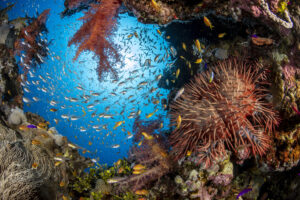

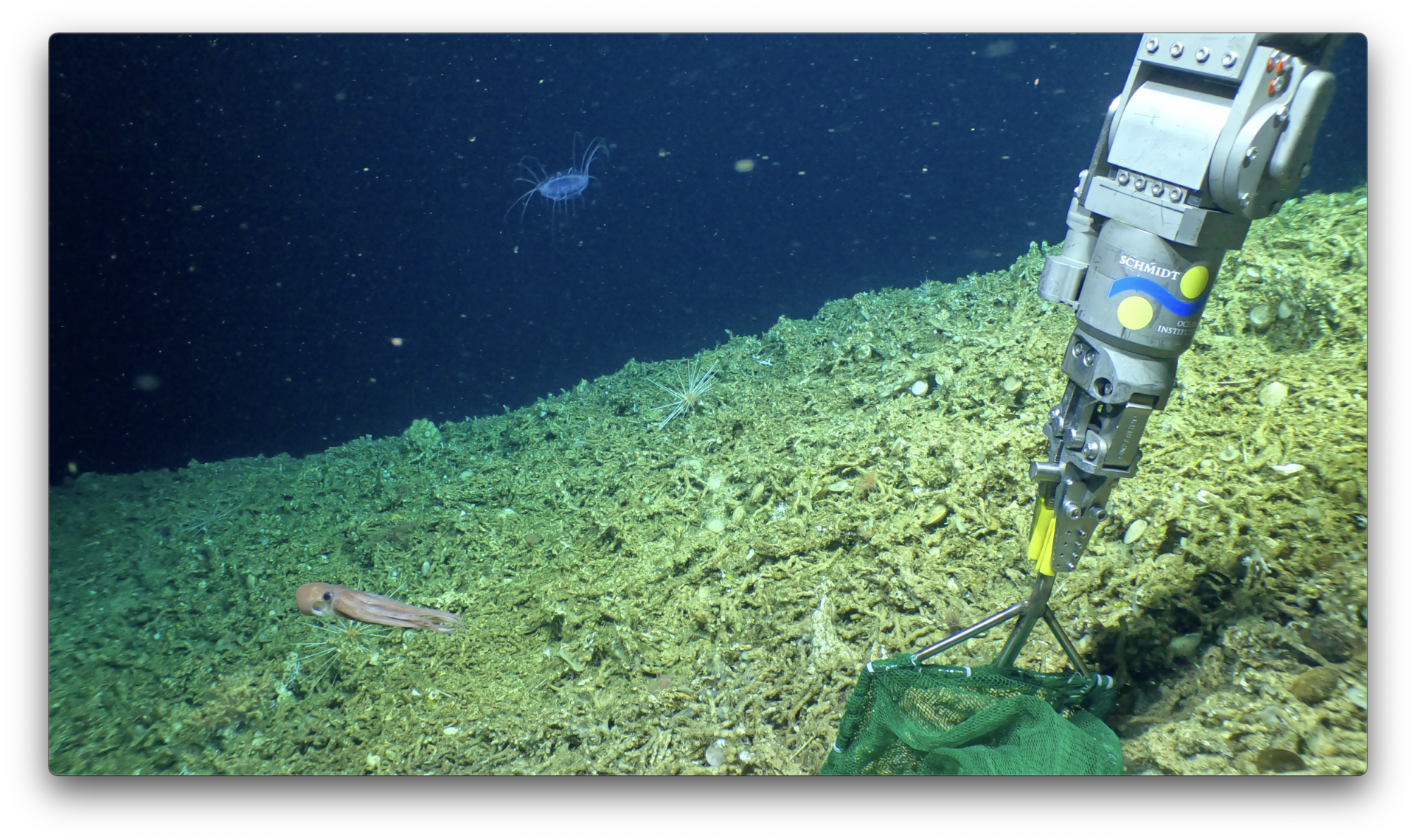
Deep-sea coral reefs occupy a peculiar blind spot in marine science. Growing in darker, colder waters far beyond the reach of sunlight, they have attracted a fraction of the research attention often reserved for their tropical counterparts. But they are no less ecologically significant, hosting rich communities of fish and invertebrate life across vast swathes of the seafloor.
The eventual return of corals to the Galápagos region does offer a cautious note of optimism that recovery is possible. However the fossil record makes clear it is neither quick nor guaranteed, unfolding over centuries rather than decades.
“Understanding the great antiquity of this ecosystem, its sensitivity to change, and the centuries it takes to recover from disturbance will be vital for conservation efforts,” said co-author Professor Laura Robinson, Professor of Geochemistry at Bristol.
Stuart Banks, Principal Investigator for the Charles Darwin Foundation’s deep-ocean conservation programme and a co-author on the study, noted that many MPAs were originally established to protect shallow coastal biodiversity – a framework this research suggests may need expanding.
“We now know that deep, unique, and largely unseen ocean life across the Pacific is also influenced in different ways by changing climate conditions,” he said.
The samples underpinning the study were gathered during expeditions to the Galápagos aboard the research vessels Atlantis and Falkor. Co-author Dr Daniel Fornari of the Woods Hole Oceanographic Institution described the dives as part of a broader mission to document the archipelago’s biological diversity and geological history – with this study among the most striking results to emerge.


"*" indicates required fields
Printed editions
Current issue
Back issues



Enjoy so much more from Oceanographic Magazine by becoming a subscriber.
A range of subscription options are available.
