Hidden vessel traffic threatens life in Scotland’s MPAs
A new study shows nearly two-thirds of vessels in Scotland’s Marine Protected Areas go undetected because they don’t use AIS. Smaller, fast-moving craft are the least monitored, increasing risks to whales, dolphins and other wildlife.

A vast majority of vessels moving through Scotland’s Marine Protected Areas (MPAs) may be slipping beneath the radar, according to new research which has raised alarms for some of the nation’s most vulnerable marine wildlife.
A team led by Heriot-Watt University has revealed that nearly two-thirds of vessels transiting Scottish MPAs are not broadcasting Automatic Identification System (AIS) signals, leaving their movements absent from the primary data source used to track maritime activity.
The findings, produced in partnership with Whale and Dolphin Conservation (WDC) Shorewatch and the Hebridean Whale and Dolphin Trust, point to significant gaps in how Scotland monitors and manages human activity in protected waters.
“AIS data is the most commonly used tool to monitor marine traffic, but our research shows it only captures about a third of the traffic within MPAs,” said Dr. Emily Hague of Heriot-Watt’s School of Energy, Geoscience, Infrastructure and Society. “That means we’re underestimating the level of human activity – and the potential for disturbance or harm – within some of Scotland’s most sensitive marine environments.”
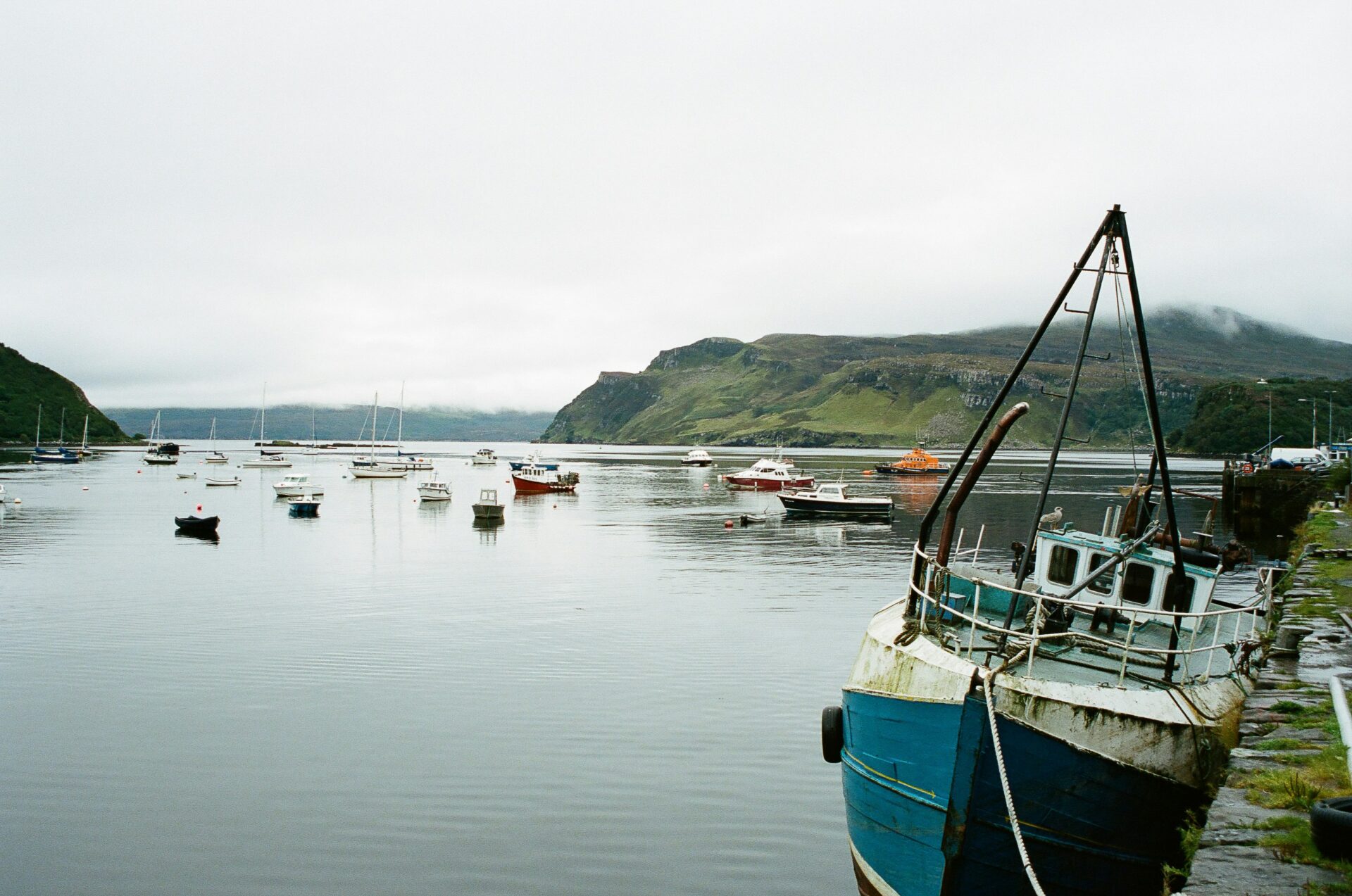
The study examined vessel presence across six MPAs, including the Moray Firth, Mousa, the Inner Hebrides and the Minches, Loch Sunart to the Sound of Jura, the Sea of the Hebrides and Lamlash Bay. Detection levels varied sharply. Lamlash Bay showed the lowest AIS coverage, with only 6% of vessels captured on AIS, while Mousa and the Sea of the Hebrides reached just over half.
Small recreational craft – including motorboats and yachts – were, by far, the least likely to carry AIS despite travelling at higher speeds and generating significant underwater noise. Across all sites, more than half of all vessels observed were travelling at medium to high speeds (7.5 knots or faster), and most of these went undetected by AIS altogether.
“That’s a major issue when we consider that we use AIS data to estimate vessel presence, noise and collision risk,” Hague said. “Two-thirds of the vessels actually posing risk are not present in those input datasets.”
In other news

Only two of the six MPAs include vessel-specific restrictions, and both apply exclusively to fishing activity. Other vessel types – often the ones travelling fastest – remain largely unregulated.
Co-author Dr. Lauren McWhinnie said the findings signal an urgent need to bolster monitoring systems within protected waters. “If we want these areas to truly protect the species and habitats they were created for, we need a much more comprehensive approach to monitoring vessel traffic,” she said.
“Combining AIS with acoustics, satellite imagery, and visual surveys would give us a far clearer picture of what’s really happening.”
The research team recommends developing integrated monitoring networks and real-time alert systems that warn mariners when they enter sensitive zones or approach marine mammals.
Citizen scientists were central to the effort. Volunteers from the Scottish Vessel Project, WDC Shorewatch and the Hebridean Whale and Dolphin Trust logged more than 1,800 hours of observations from land and sea, building a rare dataset of vessel presence independent of AIS.
“Our volunteers have been out in all weathers collecting data that show just how much traffic is passing through these protected sites,” Hague said. “Scotland has beautiful coastlines and marine areas for us all to enjoy – but we have to find a way to maintain a balance for the animals who call our sea home.”
The full study is available in Ocean and Coastal Management.


"*" indicates required fields
Printed editions
Current issue
Back issues


Enjoy so much more from Oceanographic Magazine by becoming a subscriber.
A range of subscription options are available.
