Record season for Ōamaru's kororā as nearly 1,000 chicks fledge
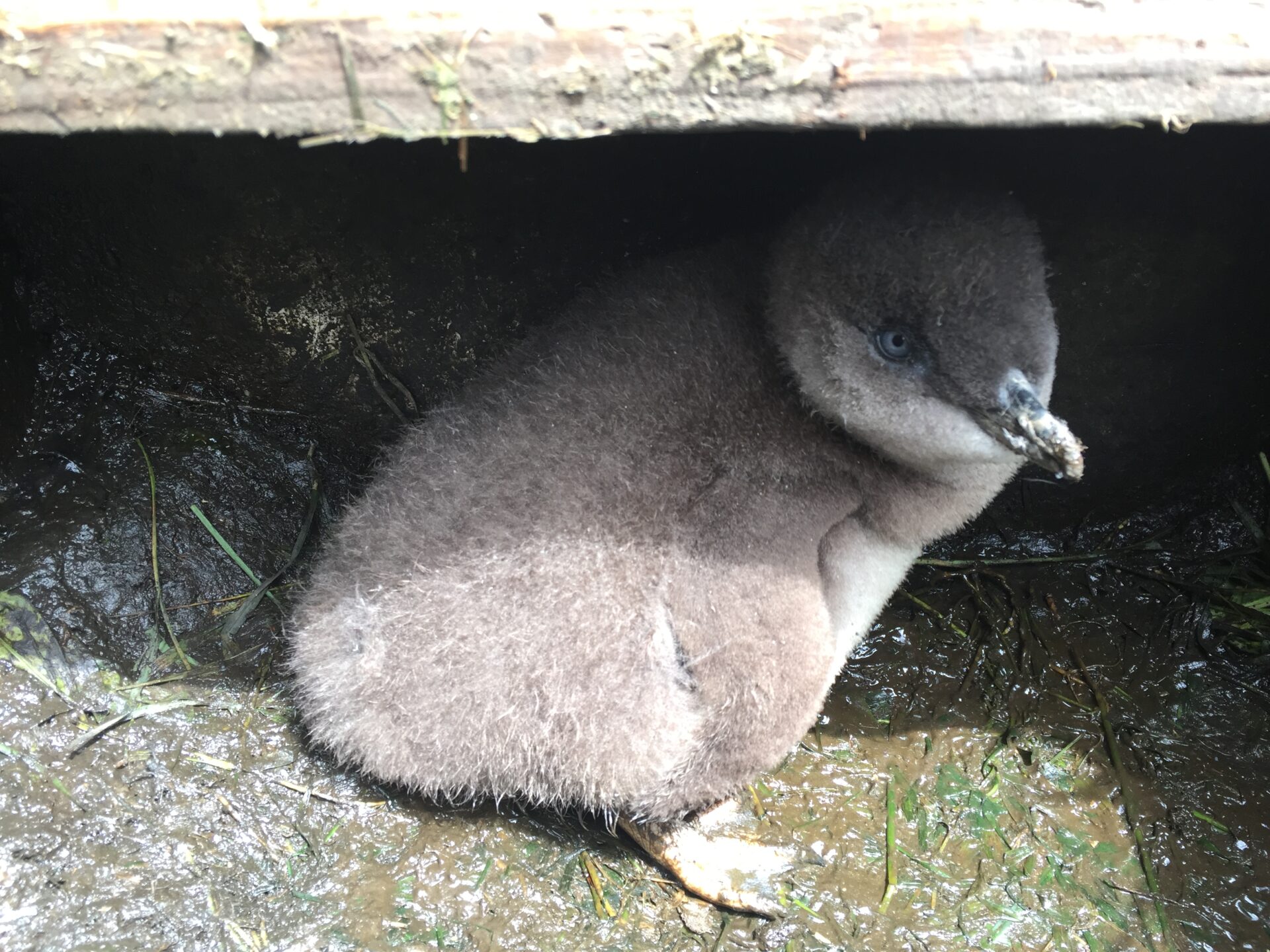
Ōamaru Penguins has recorded its most successful breeding season, with 994 kororā chicks fledging across two managed colonies - driven by early breeding activity, rare triple-brooding pairs, and decades of sustained conservation effort.
Ōamaru Penguins has wrapped one of its most successful breeding seasons on record, with 994 kororā – little blue penguin – chicks fledging across two managed colonies between May 2025 and April 2026.
The organisation, which oversees both a popular public visitor colony and a separate closed control site in New Zealand’s South Island coastal town of the same name, has described the result as a “significant conservation milestone.”
Strong breeding performance was recorded across both sites, with several rare triple-brooding pairs successfully raising multiple chicks over the course of the year – an unusual feat for a species that typically raises two, or perhaps four, chicks in a season.
“Seasons like this are the result of decades of careful management, predator control and close monitoring,” said Philippa Agnew, Science and Environmental Manager at Ōamaru Penguins.
The results follow on from what was a “challenging 2024-25 season” – one identified as a key driver behind this season’s ‘exceptional results.’ It was this tough preceding season which prompted an earlier start to breeding in 2025–26, which – in turn – created the conditions for multiple broods within single pairs.
Kororā (little blue penguin, Eudyptula minor) are the world’s smallest penguin species and are found along the coastlines of New Zealand and southern Australia. Ōamaru Penguins manages both a visitor colony and a closed scientific control site, using long-term microchip-based monitoring to track individual breeding outcomes across seasons.
The dual-site model – one colony open to visitors, one a closed scientific control – allows researchers to compare breeding outcomes across different environmental conditions, providing a clearer picture of what drives success or failure in any given season.
Individual penguins are identified through microchipping and regular nest checks, enabling staff to record breeding outcomes, chick growth rates, and long-term seasonal patterns.
The team will present their findings at Birds New Zealand’s annual conference and at the 12th International Penguin Conference on Phillip Island later this year.

In other news


To mark the close of the season, Ōamaru Penguins shared its annual Penguin Awards – a lighthearted, data-driven look at some of the colony’s most remarkable individuals.
Most Valuable Breeding Pair
One exceptional pair raised six chicks over the season – three times the species’ typical output – getting an early start and maintaining pace throughout.
Chonkiest Chick
The season’s heaviest chick weighed 1.65 kg at just seven weeks old. That’s roughly 600g above the average for that age.
Biggest Homebody
One penguin was recorded ashore during 25 Tuesday monitoring sessions, marking a near-constant presence throughout the breeding season.
Heaviest Moulter
Prior to moulting, one bird tipped the scales at 1.99 kg – almost double the species’ typical body weight.
Best Nest Defender
A particularly territorial penguin became well known to staff for repeatedly launching surprise attacks during routine nest box checks.
Greediest Chick
One chick gained 470g in a single week, increasing its body weight by 87% in just seven days.
Most Stress-Inducing Penguin
One bird disappeared for an entire month while wearing a video logger typically used for a single day – before eventually returning with the device still attached.
Beyond the headline chick numbers, the season offered a rich window into the behavioural diversity within the colony. Monitoring records captured everything from exceptionally fast-growing chicks to birds that spent unusually extended periods ashore – a reminder that even within a well-studied population, individual variation remains a constant.
“It’s so encouraging to see such strong breeding outcomes, and as kororā continue to face such challenges, long-term monitoring and research is more important than ever to keep these results up,” said Agnew.
With breeding now complete, staff are transitioning into winter monitoring and beginning preparations for the next cycle. The colonies, however, will remain active. As Agnew notes, the birds will continue visiting the site in the months ahead – renewing pair bonds and establishing nests well before the next season begins.


"*" indicates required fields
Printed editions
Current issue
Back issues

Enjoy so much more from Oceanographic Magazine by becoming a subscriber.
A range of subscription options are available.
