High Seas and Deep Sea Mining rhetoric now needs strong action
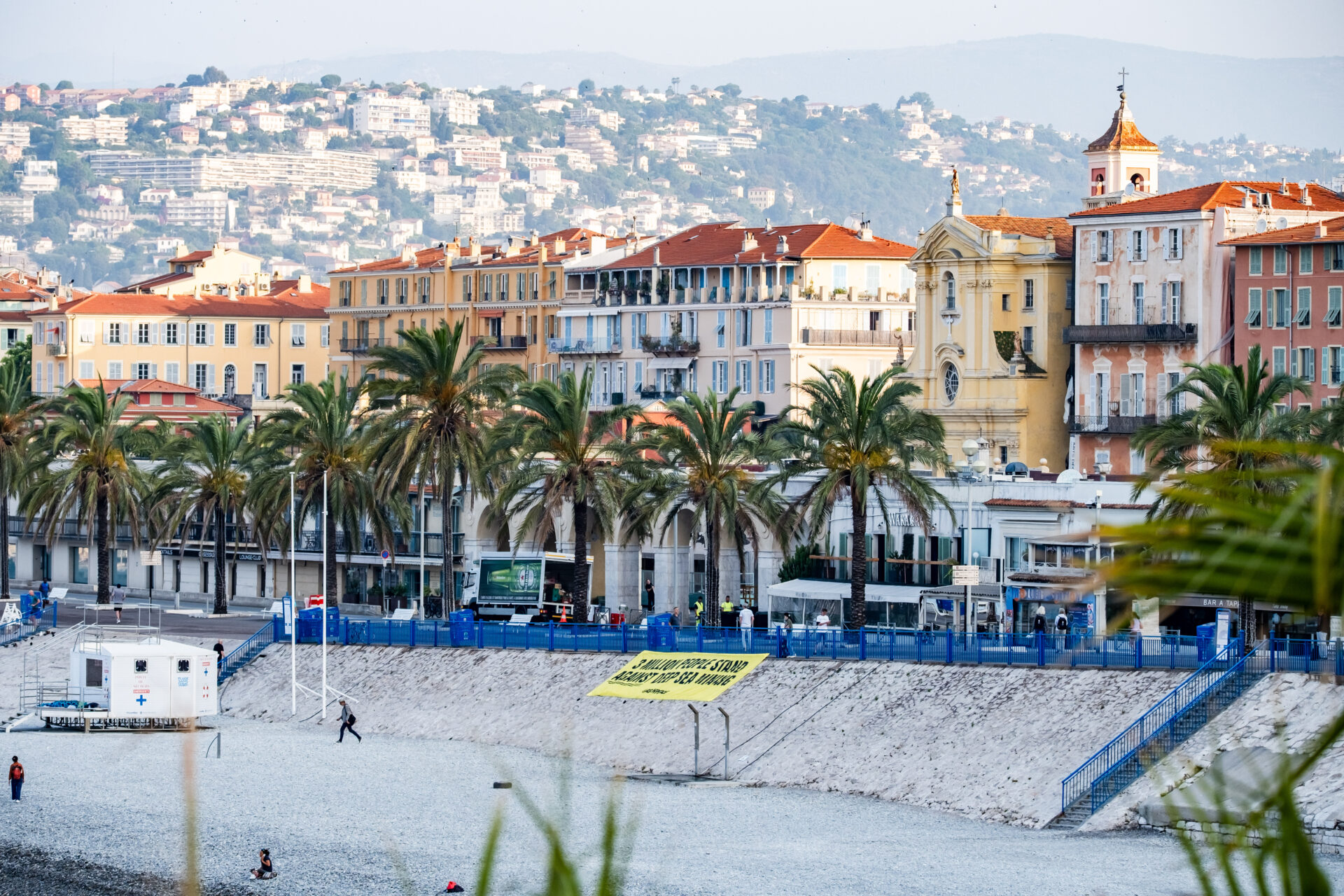
The UN Ocean Conference will conclude today with significant progress made towards the ratification of the High Seas Treaty, deep sea mining, and a strong statement on a new plastics treaty signed by 95 governments. But success will require less talk more action.

The UN Ocean Conference will conclude today with significant progress made towards the ratification of the High Seas Treaty and a strong statement on a new plastics treaty signed by 95 governments.
Once ratified, the High Seas Treaty will be the only legal tool that can create protected areas in international waters, making it fundamental to protecting 30% of the world’s oceans by 2030. As of this week, 50 countries, plus the European Union, have now ratified the Treaty.
Deep sea mining has also been pushed up the agenda in conference debates this week, with key nations – including the host nation, France – taking a firm stance against the extractive practice and calling instead for a moratorium on all activity. The expectation from civil society and a large group of states, including UNOC co-host, Coasta Rica, was that governments would make progress towards stopping deep sea mining in Nice.
UN Secretary General Guterres said the deep sea should not become the wild west. French President Macron said a deep sea mining moratorium is an international necessity. Four new countries pledged their support for a moratorium at UNOC bringing the total to 37. Attention now turns to what actions governments will take in July to stop this industry from starting.
While the rhetoric has been cause for celebration, some environmental NGOs have been quick to remind leaders that words don’t mean action. Megan Randles, Greenpeace head of delegation regarding the High Seas Treaty and progress towards stopping deep-sea mining, said that while ratification “feels within touching distance”, the progress here at UNOC this week “feels hollow” without further and more tangible commitments to stop deep sea mining being made.
“We’ve heard lots of fine words here in Nice, but these need to turn into tangible action,” said Randles. “Countries must be brave, stand up for global cooperation and make history by stopping deep sea mining this year. They can do this by committing to a moratorium on deep sea mining at next month’s International Seabed Authority meeting. We applaud those who have already taken a stand, and urge all others to be on the right side of history by stopping deep sea mining.”
Following UNOC this week, attention will swiftly turn to the International Seabed Authority (ISA) meetings in July. While US President Donald Trump has made clear his intentions to clear the path for deep sea mining fir the Canadian corporation, The Metals Company, the upcoming ISA provides a space where governments can come together to defend the deep ocean by adopting a moratorium to stop this destructive industry.
Meanwhile, negotiations on a Global Plastics Treaty negotiations resume in August.
In other news


John Hocevar, Oceans Campaign Director, Greenpeace USA said: “The majority of countries have spoken when they signed on to the Nice Call for an Ambitious Plastics Treaty that they want an agreement that will reduce plastic production. Now, as we end the UN Ocean Conference and head on to the Global Plastics Treaty negotiations in Geneva this August, they must act. The world cannot afford a weak treaty dictated by oil-soaked obstructionists.”
The environmental campaign group has issued a rousing call to the majority to “rise to this moment” and firmly hold the line to ensure that “we will have a Global Plastic Treaty that cuts plastic production, protects human health, and delivers justice for Indigenous Peoples and communities on the frontlines.”
“Governments need to show that multilateralism still works for people and the planet, not the profits of a greedy few,” said Hocevar.
The coastal and Indigenous communities – which includes small-scale fishers – who have protected the ocean for generations are finding themselves increasing pushed to the side by industries responsible for what Nichanan Thantanwit, project leader on the Ocean Justice Project has called “ecological collapse and human rights violations.”
“As the UN Ocean Conference ends, governments must recognise small-scale fishers and Indigenous Peoples as rights-holders, secure their access and role in marine governance, and stop destructive practices such as bottom trawling and harmful aquaculture,” said Thantanwit. “There is no ocean protection without the people who have protected it all along.”
The anticipated Nice Ocean Action Plan, which consists of a political declaration and a series of voluntary commitments, will be announced later today at the end of the conference. None will be legally binding, so governments need to act strongly during the next ISA meeting in July and at plastic treaty negotiations in August.


"*" indicates required fields
Printed editions
Current issue
Back issues
Enjoy so much more from Oceanographic Magazine by becoming a subscriber.
A range of subscription options are available.
