Higher ocean temperatures could slow deadly coral disease
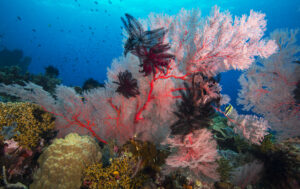
First reported off the coast of Miami in 2014, Stony Coral Tissue Loss Disease (SCTLD) has since devastated coral reefs across the Florida Keys, Puerto Rico, Mexico, and parts of Latin America, stripping corals of their tissue and leaving behind skeletons.

In one of the more surprising turn of events for the fight against one of the most destructive coral diseases in the Atlantic and Caribbean, it would appear that higher sea surface temperatures might actually slow down the spread of Stony Coral Tissue Loss Disease.
These are the recent findings of a team of researchers from the University of Miami and now published in the scientific journal, Scientific Reports. In the paper it is suggested that while recognised as the scourge of ocean health elsewhere, ocean warming and nutrient pollution could just influence the progression of the disease.
First reported off the coast of Miami in 2014, Stony Coral Tissue Loss Disease (SCTLD) has since devastated coral reefs across the Florida Keys, Puerto Rico, Mexico, and parts of Latin America, rapidly stripping corals of their tissue and leaving behind bare skeletons.
Despite a decade of intensive investigation, the exact cause of SCTLD remains unknown. However, it is now believed that those environmental factors such as ocean warming and nutrient pollution could be an influence on its progression.
In a series of tightly controlled experiments at the Experimental Reef Lab located at the University of Miami Rosenstiel School of Marine, Atmospheric, and Earth Science, researchers used robotic technology to expose eighty coral fragments to different combinations of water temperature and nutrient concentrations.
The researchers found that the transmission of SCTLD was significantly lower at a higher temperature of 31°C compared to a lower temperature of 28°C, suggesting that peak summer temperatures may offer temporary relief from disease spread in affected regions.
In contrast, elevated nutrient levels – particularly ammonium – did not influence disease transmission, though they did impair the coral’s growth, especially when combined with high temperatures.
In other news

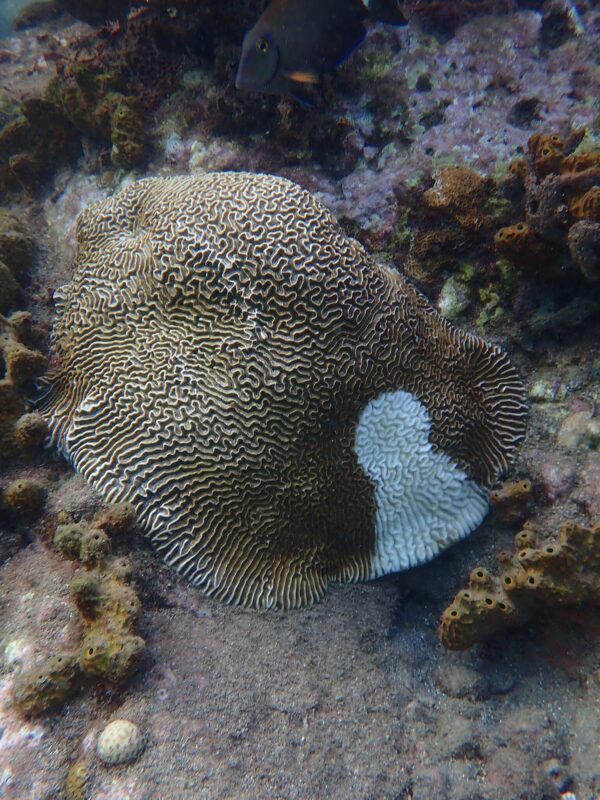
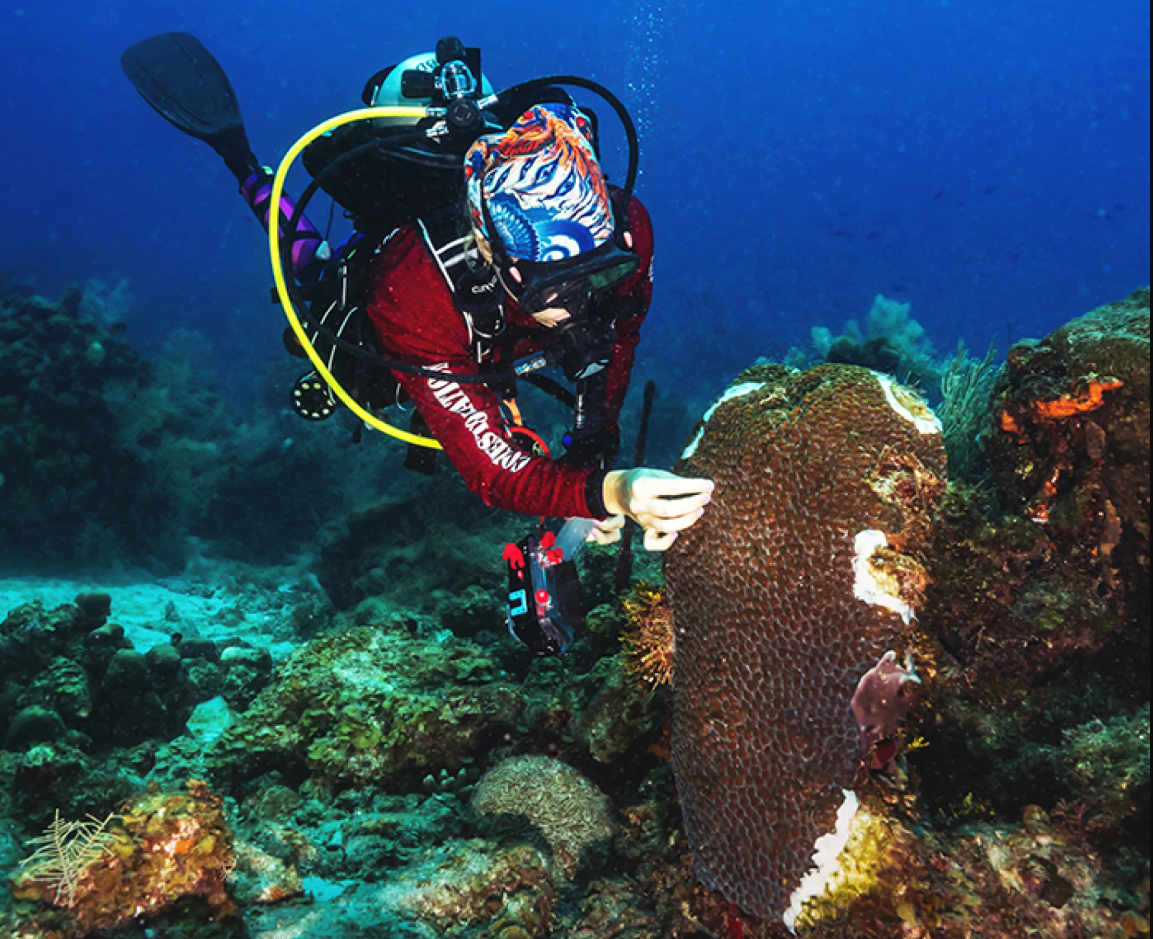
By focusing the research on the Mountainous Star Coral (Orbicella faveolata), a key reef builder in the Caribbean now listed as endangered, researchers will be able to better understand how environmental stressors interact with coral disease – a critical gap to plug in our knowledge for protecting reef systems and guiding their recovery efforts.
“The use of robotic automation allowed us to precisely and independently treat coral fragments with different nutrients and diseases, while keeping each fragment in its own precise isolated environment,” said Ana Palacio, the lead author of the study and an assistant scientist at the University of Miami NOAA Cooperative Institute for Marine and Atmospheric Studies at the Rosenstiel School and the Atlantic Oceanographic Meteorological Laboratory’s Coral Programme.
“This breakthrough ensures reliable, contamination-free results and opens new possibilities for high-replication marine disease research at scale.”
Research on the impacts of multiple environmental conditions on coral’s health will continue as part of the ongoing Florida Regional Ecosystems Stressors Collaborative Assessment project. The project aims to identify environmental thresholds for reef resilience under increased stressors, including ocean warming, acidification, and low oxygen conditions.
The researchers now plan to expand this work with future experiments to examine how combined stressors may alter disease dynamics and coral health more broadly.
Scientists at the University of Miami have been investigating coral diseases – the cause of major declines in coral populations, particularly in the Caribbean – for quite some time. In March this year, a separate study into the impact of water quality on the transmission of diseases among corals led to urgent calls for stark improvements.
“If water quality issues are not addressed, it will be difficult for both wild and restored coral colonies in Florida to survive,” said Palacio. “Our findings highlight the importance of selecting coral genotypes that are resilient to local stressors and ensuring improved water conditions before restoration efforts.”
Coral reefs provide essential services, including coastal protection, marine biodiversity, and economic benefits to fisheries and tourism. This study underscores the importance of science-driven policymaking and conservation strategies to safeguard these vital ecosystems for the future.
The latest research paper, Elevated temperature decreases stony coral tissue loss disease transmission, with little effect of nutrients, has now been published in Scientific Reports.


"*" indicates required fields
Printed editions
Current issue
Back issues
Enjoy so much more from Oceanographic Magazine by becoming a subscriber.
A range of subscription options are available.
