Historic High Seas Treaty is a "turning point for humanity"
A United Nations treaty designed to protect the abundant marine life and ecosystems of the high seas - known colloquially as the High Seas Treaty - has in the last few hours received the 60th ratification required for the agreement to be brought into full force.

A United Nations treaty designed to protect the abundant marine life and ecosystems of the high seas – known colloquially as the High Seas Treaty – has in the last few hours received the 60th ratification required for the agreement to be brought into full force.
In what has been hailed by the campaigners and NGOs working behind the scenes to encourage ratification “an historical moment” and a “turning point in history” the treaty – officially the Agreement on the Conservation and Sustainable Use of Marine Biological Diversity of Areas beyond National Jurisdiction (the BBNJ Agreement) – has now entered the 120-day long process of coming into its fullest force.
The High Seas Treaty had been teetering on the threshold of the required 60 ratifications since a flurry of activity launched it forward over the course of the United Nations Ocean Conference in June this year. This past week, with developments unfolding ahead of New York Climate Week, environmental campaigners had been waiting in anticipation for the 60th nation to adopt the Agreement.
The excitement around this moment is understandable. This historic treaty is the result of more than two decades of negotiations. The High Seas Treaty will now pave the way for Parties to establish a network of high seas marine protected areas (MPAs), which can help government meet the target of conserving 30% of the global ocean by 2030 – a goal adopted by nearly 200 countries in 2022 as part of the Kunming-Montreal global biodiversity framework.
“This historic moment is the culmination of years of dedication and global diplomacy by governments and stakeholders,” said Rebecca Hubbard, director of the High Seas Alliance.
“The High Seas Treaty is a powerful testament to multilateralism – showing what the world can achieve when we come together for the common good of our ocean, which covers more than 70% of the planet. Today marks an important step when promises start becoming action.”
The High Seas Treaty is the first legally-binding international agreement safeguarding marine life in the High Seas, an area of open ocean which plays a critical role in ensuring a healthy planet. It provides new tools to halt biodiversity loss and ocean degradation through enabling the creation of marine protected areas (MPAs) in international waters and ensuring environmental impact assessments of planned human activities.
It will also boost equity for developing countries through increasing knowledge and technology access, strengthening capacity, and ensuring the equitable access and sharing of the benefits of marine genetic resources.
In other news
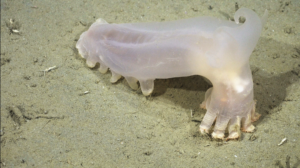
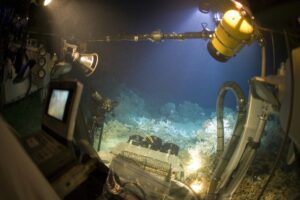

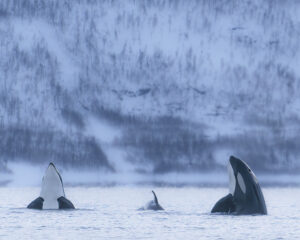
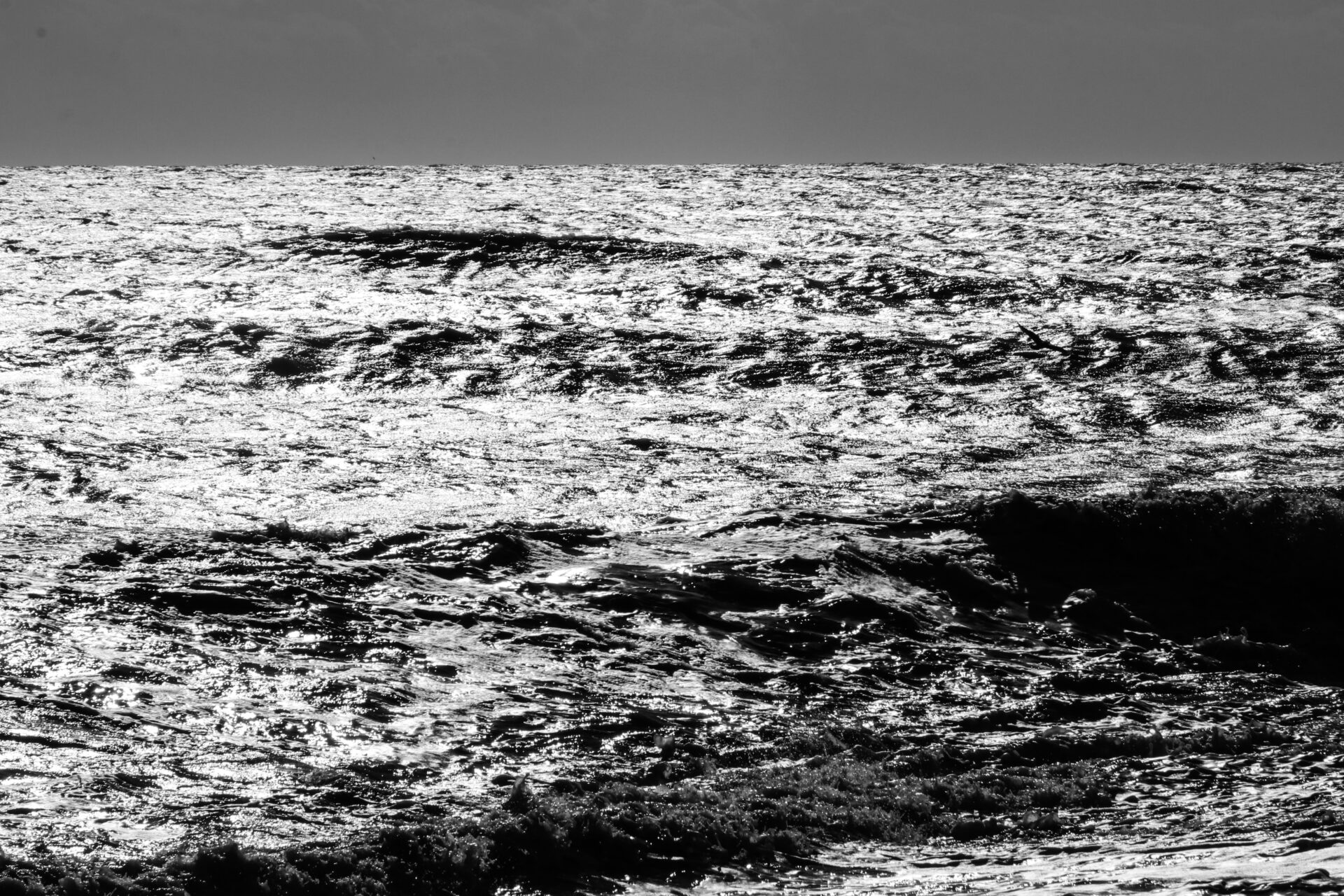
“The high seas treaty continues to serve as a beacon of hope and demonstrates the power of multilateralism. The speed at which it went from treaty adoption to entering into force is remarkable for an agreement of its scope and impact. When the treaty is implemented, the world will finally be able to protect important places on the high seas, which hold some of the largest reservoirs of biodiversity on Earth,” said Nichola Clark, a senior officer with The Pew Charitable Trusts.
“As the global community looks towards the first meeting of the treaty’s Conference of the Parties, countries must continue paving the way for swift implementation of the agreement to secure a thriving future for the wildlife and communities that depend on a healthy ocean.”
The agreement will enter into force 120 days from today, which means it will take legal effect in January 2026. And the first meeting of the agreement’s Conference of the Parties (COP) – the decision-making body – will take place within a year after that.
In the meantime, countries are engaged in a Preparatory Commission to develop recommendations that would equip the COP to undertake high seas conservation activities; many countries are also already working to build the case for protecting specific sites under the new treaty.
Dr Katie Matthews, Oceana’s Chief Scientist, said: “For too long, the high seas have been a Wild West – lacking comprehensive oversight. The ratification of the High Seas Treaty will help bring order. For the first time, we have the legal foundation to safeguard marine diversity in waters that belong to everyone and no one at the same time.
“What matters now is turning paper into protection. Nations must move quickly from ratification to real-world implementation. If world leaders are serious about protecting 30% of the ocean by 2030, that requires ambitious action on the high seas.
“Countries that have signed but not yet ratified need to step up. Chile has shown leadership in this space, being one of the first nations to ratify the treaty and has plans to submit a proposal for the first high seas marine protected area under the treaty.
“The health of our oceans, and the billions of people who rely on them for food, livelihoods, and climate stability, depends on what comes next.”


"*" indicates required fields
Printed editions
Current issue
Back issues
Enjoy so much more from Oceanographic Magazine by becoming a subscriber.
A range of subscription options are available.
