Hundreds of ‘seagrass cores’ planted to revitalise iconic waterway
The UK has lost nearly half its underwater meadows, but a major new conservation project aims to protect the Thames and safeguard its local species – from seahorses to sharks.
Hundreds of cylindrical “seagrass cores” have been planted in the mudflats of Kent, marking the launch of a multi-million-pound, five-year project to restore the Greater Thames Estuary.
Led by ZSL, the conservation charity behind London Zoo, the Transforming the Thames initiative aims to protect one of the world’s most famous waterways from the accelerating impacts of climate change.
Over the course of a single week, conservationists and volunteers extracted nearly 1,000 tubes of mud, each containing multiple individual dwarf eelgrass shoots, from a healthy seagrass meadow near Leigh-on-Sea, Essex.
The team navigated the treacherous mudflats using specially designed wooden “mudshoes” to prevent sinking. Operating under tight low-tide windows, they utilised a hovercraft to swiftly transport equipment and plants to the new site at Egypt Bay, Kent, before the water returned.
This effort represents one of the largest UK restoration projects using the direct transplant method. Experts hope the initial shoots will expand to cover an area the size of one-and-a-half football pitches over the next few years.
Since 1936, the UK has lost up to 44% of its seagrass meadows due to pollution, disturbance, and poor water quality. This decline has severely threatened local wildlife and left coastal communities more vulnerable to flooding and erosion. Healthy seagrass acts as a vital marine nursery for fish, a food source for birds, and a natural buffer against storm surges.

In other news
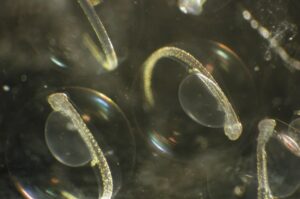
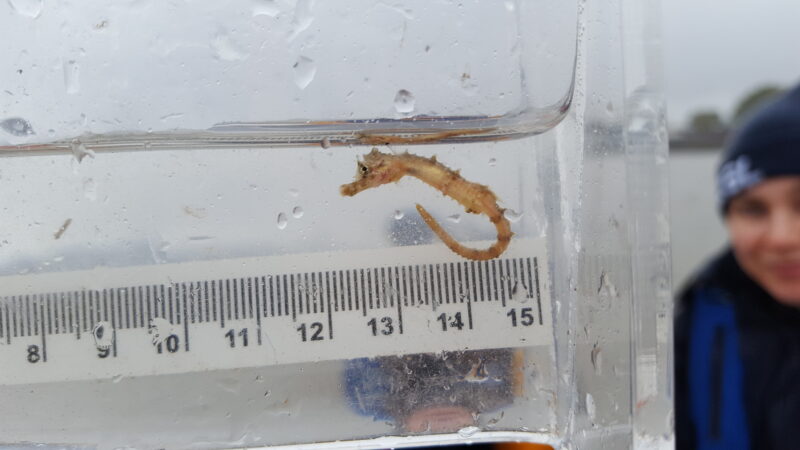
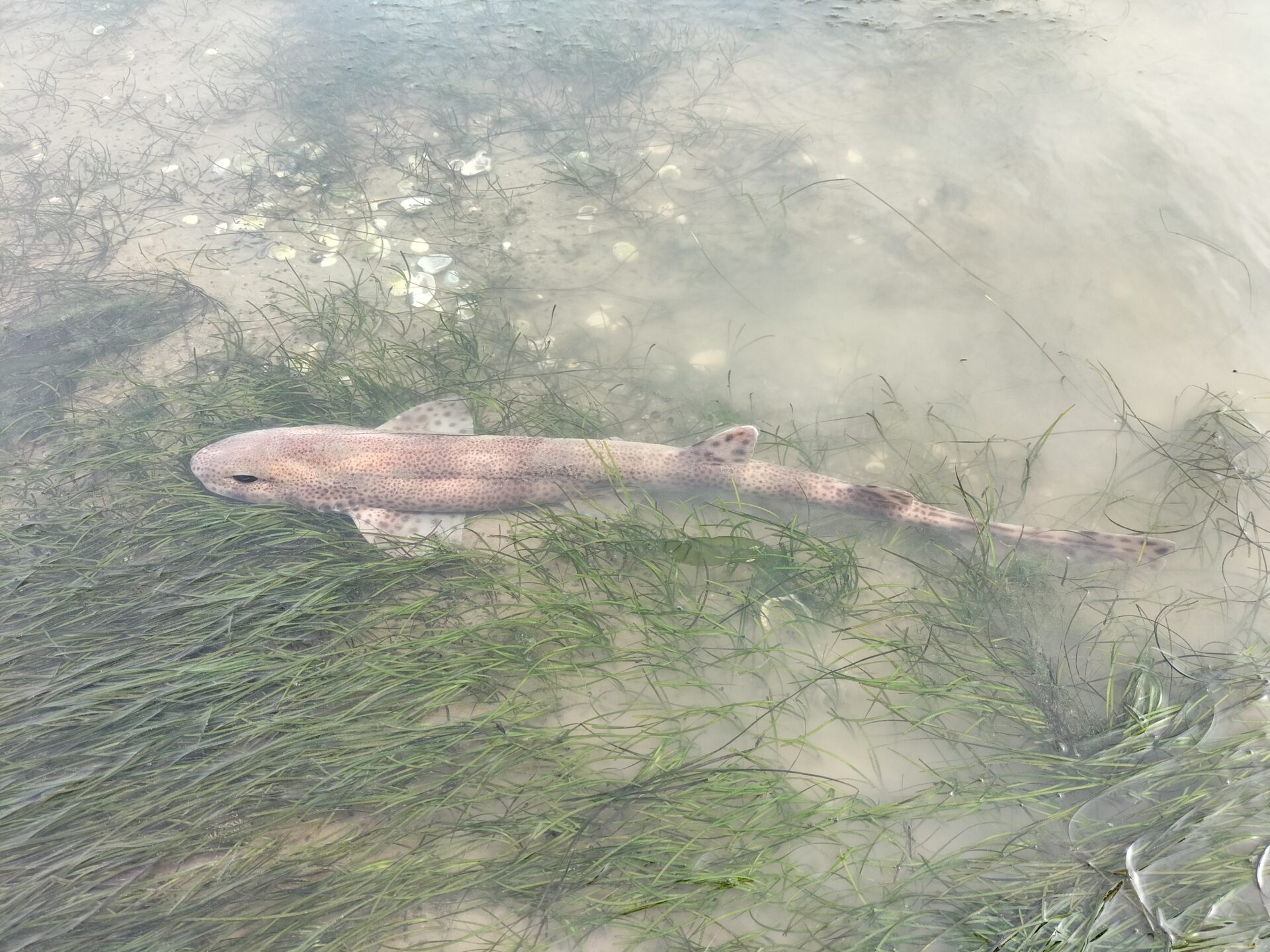
“We rely on healthy ecosystems for our own wellbeing, but decades of degradation have left the Greater Thames Estuary with a poor bill of health,” said Thea Cox, ZSL’s Transforming the Thames Senior Restoration Manager.
“Increased storm events and marine heatwaves due to climate change threaten the estuary further. We know that it can recover,” she added.
The project brings together 20 partners, including local communities, landowners, and government bodies, with the goal of recovering a rich coastal landscape by 2030. If successful it should safeguard the 8 million people living along the estuary while supporting local species, from seahorses and lapwings, to critically endangered European eels and sharks.
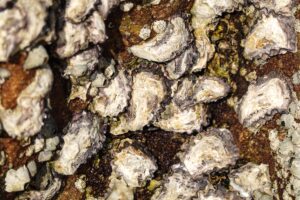
The partnership also plans to restore approximately 450 football pitches worth of six critical habitats across the estuary, including native oyster beds, salt marshes, and saline lagoons.
“We know that it can recover, and are excited to see the Thames flourish as we work to restore habitats along its shores, make its coastlines more resilient to climate-change driven storms, and connect people with everything it has to offer,” Cox added.


"*" indicates required fields
Printed editions
Current issue
Back issues


Enjoy so much more from Oceanographic Magazine by becoming a subscriber.
A range of subscription options are available.
