“If you can’t see it, you can’t be it”: Gender parity in marine STEM
This month, saw the celebration of International Women and Girls in STEM day. Despite drastic improvements in the field, the sector still bears the marks of societal prejudices, and structural barriers, we speak to three women working in STEM to learn more…

“I’ve been asked so many times whether I was the assistant of the researcher. Even after explaining, no, that’s me, I’ve been asked again: are you the assistant?” says George Short, a female Marine ecologist working with the Sussex Wildlife Trust.
She is talking about the underestimation of women within the STEM – Science, Technology, Engineering and Mathematics – sphere. These communities have historically been overwhelmingly male. And despite progress, that fact remains true today: less than one third of STEM’s workforce in the UK is female.
Marine research and ocean science is not immune to these inequalities. The impacts of climate change on the ocean disproportionately affect women, yet they are still vastly underrepresented in the field.
The HMS Challenger, the first true scientific oceanographic cruise, had 243 people on board during its four year cruise, and not one was a woman. Drastic improvements have been made but still, only 37% of the global ocean science workforce are women.
This is more troubling considering women are actually over-represented as graduate students, making up over 50% of cohorts. This percentage drops steeply in senior, tenure-track, and leadership roles. The pattern has even been given a catchy name “the leaky pipe phenomenon”. This has been attributed to several causes: from clear bias and sexual harassment, to subtle discrimination and institutional career barriers.
Short believes one barrier exists in the unconscious biases which still permeate the sector, from practical field work to academic environments – like being mistaken for, and then being insisted that you are, an assistant.
But she adds, women provide a critical role in tackling the biodiversity crisis and finding global climate solutions. And one facet of this is women’ s excellent ability to communicate and collaborate.
In other news
“We’re in a climate and biodiversity crisis. We really need collaboration to solve these issues,” Short says.
“There’s a lot of research around the fact that women are really effective collaborators and communicators. We need to make sure that the science is communicated to policymakers, members of the community, fishers, and industry partners. We all need to tackle these issues together,” she adds.
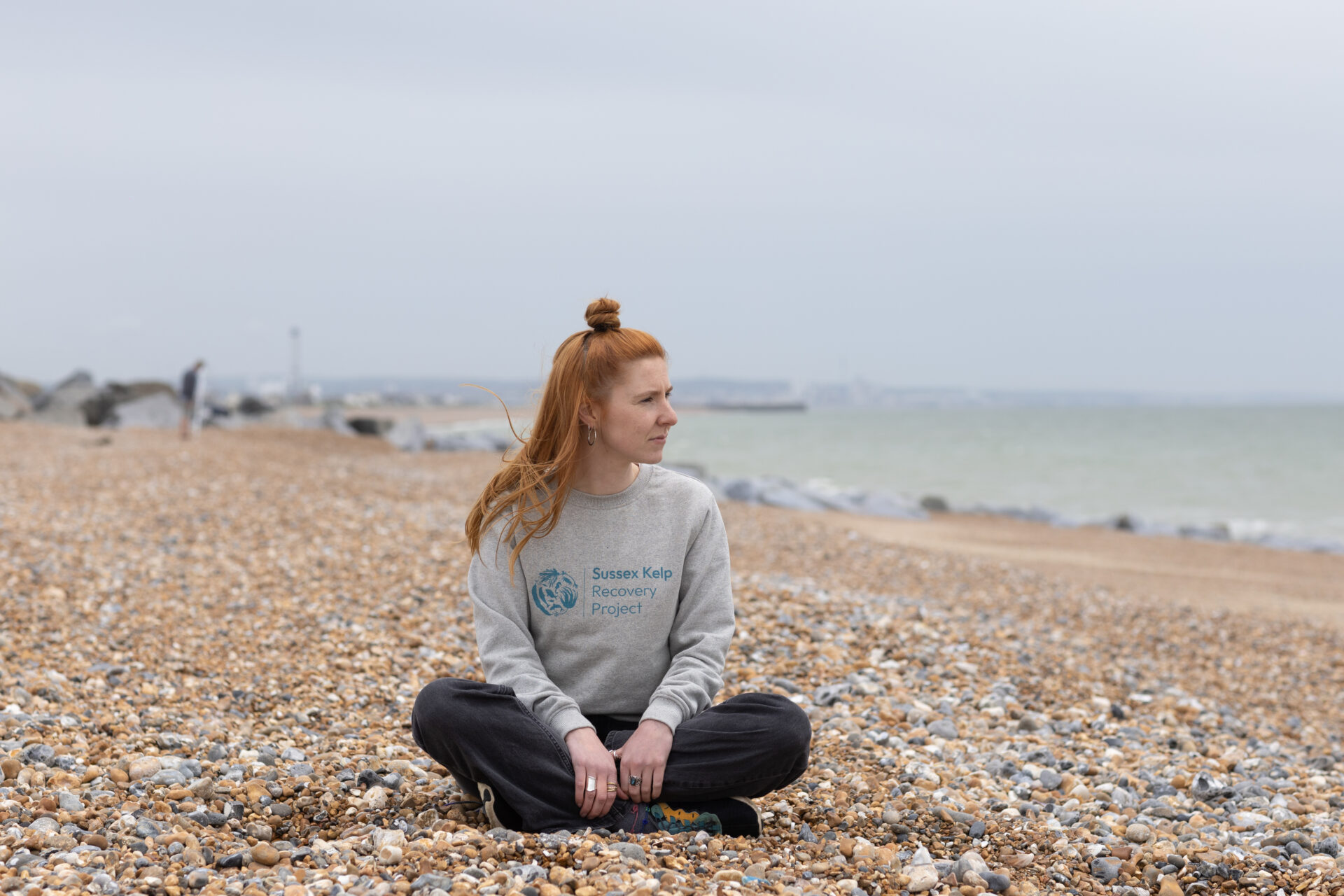
Marianne Glascott, a doctoral researcher in kelp restoration at Sussex University, similarly sees women as finding their strengths in their collaboration. She says women are excellent and drawing the interdisciplinary connections between different silos of marine research.
Outside of the laboratory, many women living by the coast have collective ancestral wisdom about our blue planet. In the coastal corners of Africa, Asia and Latin America women have been the primary fishers, seaweed harvesters and guardians of traditional marine knowledge for generations. Yet, these women are also often overlooked by policy-makers.
This 11th February saw the celebration of The International Day of Women and Girls in Science: a day to celebrate the women and girls in these STEM pathways, highlight the critical work they do and create future action plans to ensure gender parity in STEM.
“If you can’t see it, you can’t be it,” says Dr Elvira De Eyto, Zoologist at the Marine Institute on the importance of representation within the marine field.
She has seen the impact on young women and girls undertaking placements at the Marine Institute.
“A lot of us working here are women and we work really hard, work the same as the men and there is no perceived difference between the work that we do and the men do,” she explains
“I have heard anecdotally that that has been inspirational to the next generation of scientists: they see that we can manage it, we can juggle having kids, looking after parents and working full time in the Marine Institute – we make the next generation see that it is possible,” she adds.
To dig deeper into the topic, we’re running a three-part podcast series interviewing women in the marine STEM field, and getting their understanding on what their experiences have been, where they face friction, and how being a woman in STEM benefits our research community and ability to tackle climate change.
Listen to the first in the series here today.


"*" indicates required fields
Printed editions
Current issue
Back issues
Enjoy so much more from Oceanographic Magazine by becoming a subscriber.
A range of subscription options are available.