Japan embarks on its first deep-sea rare earth mining expedition
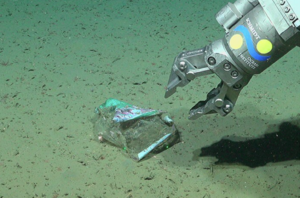
The deep-sea mining vessel Chikyu will attempt to retrieve earth-rich mud from 6,000 metres below sea level, as part of Japan’s attempt to decrease its reliance on China for critical minerals.
A Japanese deep-sea mining ship departed today in the world’s first experimental extraction of so-called “rare earth mud” from the ocean floor. The move is Japan’s first attempt at sourcing rare earth elements (REEs) domestically, with an ambition to reduce dependency on Chinese supplies.
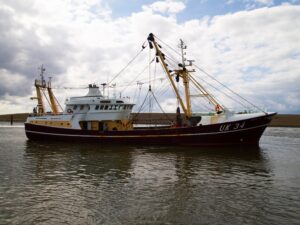
The government-backed scientific drilling vessel, Chikyu, departed today from Shimizu Port in Shizuoka. It is headed to waters near Minamitori Island, a remote coral atoll approximately 1,900 kilometres southeast of Tokyo.
The mission is led by Schoichi Ishii of the Cabinet Office’s ocean innovation platform, and will use pipes deployed by a Japan Agency for Marine-Earth Science and Technology (JAMSTEC) vessel.
The team will spend one month attempting to collect rare earth-rich mud situated some 6,000 metres below the surface to extract REEs. If successful, a full-scale mining trial will be conducted in February 2027.
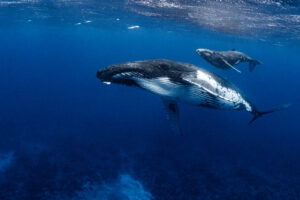
The project has gone ahead despite environmental and scientific communities issuing stark warnings about the “irreversible harm” deep-sea mining inflicts on ocean ecosystems.
Rare earth elements like Neodymium, Dysprosium and Terbium, are currently used in the production of electric vehicles, wind turbine generators, smartphones, and military equipment.
Japan is almost entirely dependent on China for some REEs, particularly those used for magnets in electric and hybrid vehicle motors. Last week, however, China banned exports of dual-use items – goods, software, or technology that have both civilian and military uses – to Japan. This includes rare earth elements that are critical for making goods like drones and chips, posing a major risk for the country’s key automotive industry.

In other news

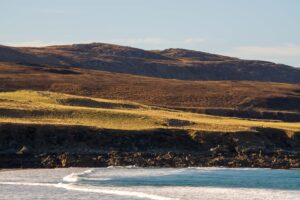
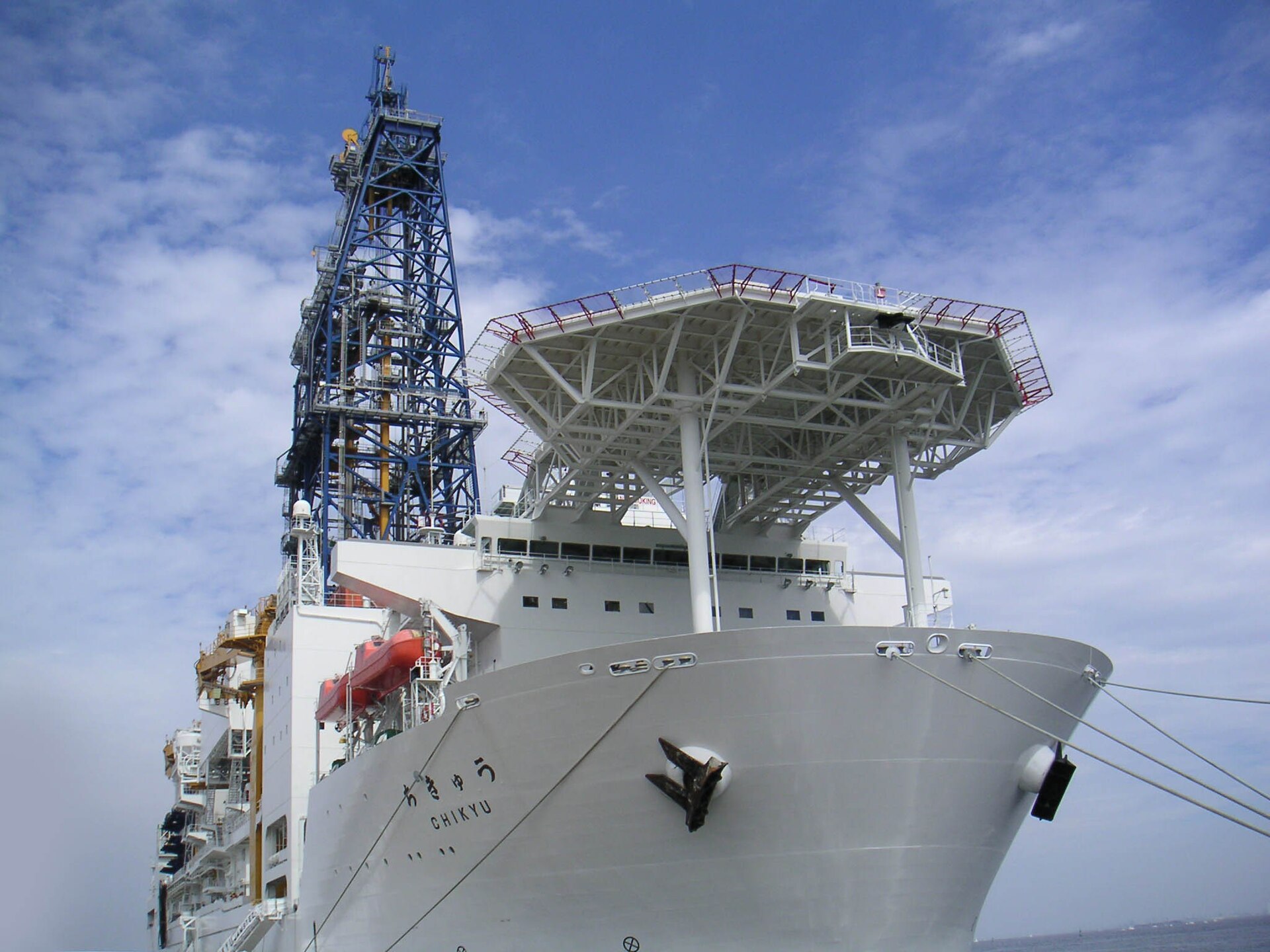
In 2018, a Japanese research team discovered an estimated 16 million metric tons of rare earth elements in the area around Minamitori Island – enough to fulfil global demands potentially for hundreds of years. This includes 730 years’ worth of dysprosium and 780 years’ worth of yttrium. The area lies within Japan’s exclusive economic zone.
The Japanese government has reportedly already spent ¥40 billion ($250 million) since 2018 on the project.
“After seven years of steady preparation, we can finally begin the confirmation tests. It’s deeply moving,” Shoichi Ishii, the head of the government-backed project told Reuters. “If this project succeeds, it will be of great significance in diversifying Japan’s rare earth resource procurement.”
Meanwhile, scientists, non-government organisations, and research institutions, as well as authoritative bodies, including The Deep Sea Conservation Coalition have warned of the dangers and consequences of deep-sea mining, an extractive practice with environmental consequences that could reverberate across the global ocean for many decades to come.
“Allowing this destructive new industry to go ahead is inconsistent with the international community’s environmental protection obligations under the United Nations Convention on the Law of the Sea,” the Coalition has previously stated.


"*" indicates required fields
Printed editions
Current issue
Back issues
Enjoy so much more from Oceanographic Magazine by becoming a subscriber.
A range of subscription options are available.
