Japan to test deep sea mining amid public and scientific concern
Japan’s government is pushing ahead with the testing initiative despite high level of pushback from the environmental and scientific communities who have warned in no uncertain terms that deep sea mining will cause “irreversible harm to ocean ecosystems.”

Japan will begin test mining for ‘rare earth’ materials extracted from the deep seabed near Minamitori Island by as early as January next year it’s government has confirmed, marking the world’s first attempt to take such metals from abyssal mud.
Led by Schoichi Ishii of the Cabinet Office’s ocean innovation platform, and using pipes deployed by a Japan Agency for Marine-Earth Science and Technology (JAMSTEC) vessel, the project will collect mud at depths of 5,000 to 6,000 metres.
Japan’s government is pushing ahead with the testing initiative despite high level of pushback from the environmental and scientific communities who have warned in no uncertain terms that deep sea mining will cause “irreversible harm to ocean ecosystems.”
Trials will begin in January next year near Minamitori Island. If successful, the system could process up to 350 tonnes of mud per day by January 2027, enabling separation of elements such as dysprosium, neodymium, gadolinium, and terbium for use in EV motors and devices.
Testing is to commence as Tokyo seeks to secure ‘stable supplies of critical minerals’ amid tightening export controls by China.
“The goal is to secure a domestic supply to enhance national security, rather than to enable private companies to profit from selling rare earths,” said Shoichii Ishii in an interview with Reuters.
Through JAMSTEC, the Japanese government is pushing ahead with a national project to develop domestic rare earth production as part of border efforts to ‘strengthen maritime and economic security.’
Prior research led by the University of Tokyo and the Nippon Foundation has already identified over 200 million tonnes of manganese nodules in the Pacific Ocean.
In other news

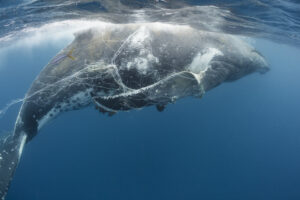
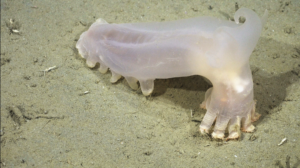
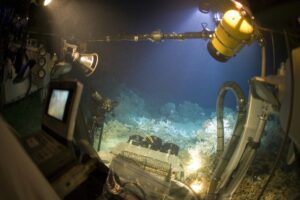

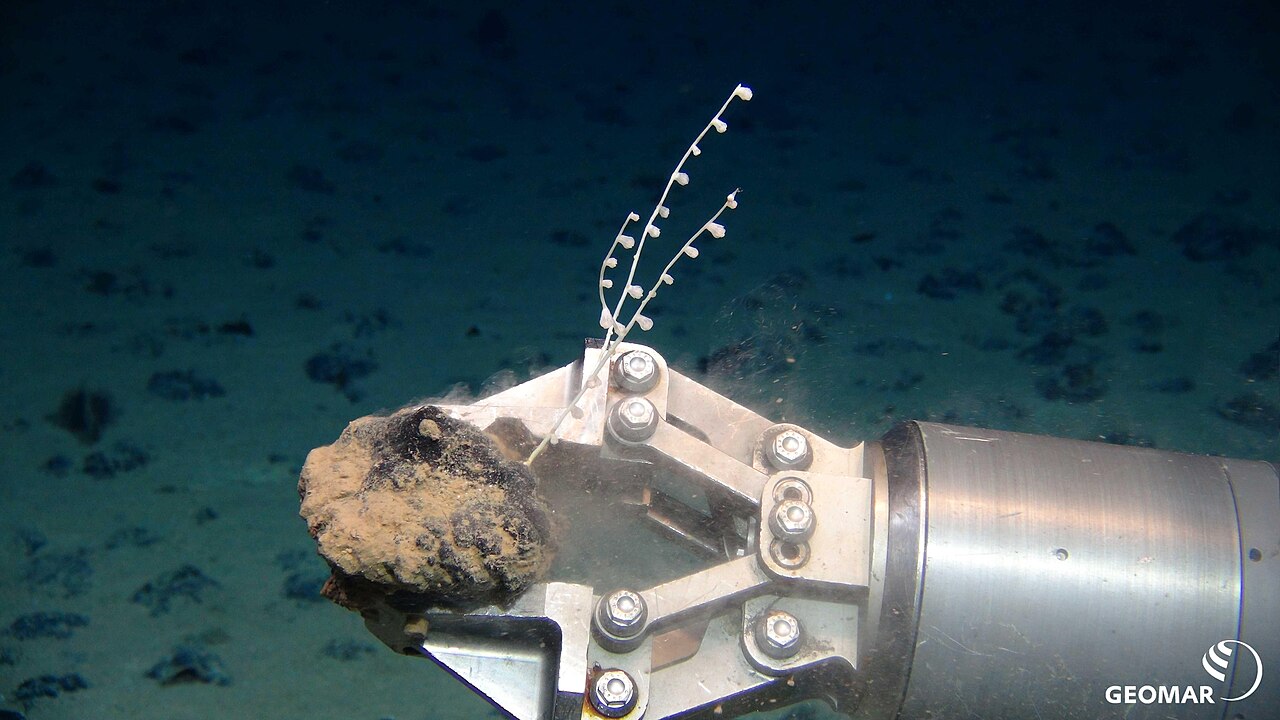
In response to recent developments in deep seabed mining – including growing concerns in the US that the administration will be opening the door to mining not only in national waters but international, too – the Deep Sea Conservation Coalition is calling on the international community to urgently establish a moratorium on destructive deep-sea mining to “prevent irreversible harm to ocean ecosystems” and protect the rights of current and future generations.
Over the next three weeks, States will convene in Kingston, Jamaica for the International Seabed Authority (ISA) Council and Assembly meetings, where discussions will continue whether to open the deep sea – one of our greatest allies in combatting the climate crisis – to this destructive industry.
Amid mounting global opposition, 37 countries – as well as major financial institutions, businesses, human rights experts, scientists, fishers, and millions of people around the world – are now calling for a moratorium or precautionary pause.
“The unmistakable momentum for a moratorium at the third United Nations Ocean Conference in June made it clear that the world does not need or want deep-sea mining, either through the ISA or unilaterally,” said Sofia Tsenikli, campaign director at the Deep Sea Conservation Coalition.
“It is time for the ISA and the few remaining States still pushing to greenlight a failing industry to join the diverse coalition for an international moratorium and stand for science, good governance, and the long-term health of the planet – before it’s too late.”
The ISA is meeting at a time when The Metals Company (TMC) is attempting to bypass the ISA and unilaterally mine the international seabed under US domestic legislation. It’s a move that has been widely condemned by ISA Member States and the ISA Secretariat, during the March 2025 Council Meeting.
Duncan Currie, Deep Sea Conservation Coalition’s legal advisor, said: “Since invoking the two-year rule in 2021, The Metals Company has held the ISA hostage, pressuring Member States, dominating meeting agenda, rushing negotiations, and now cynically pivoting to mine unilaterally.
“This is a direct attempt to undermine the multilateral system meant to make decisions regarding seabed activities and protect the environment from harm. It is time for the ISA Council and Assembly to stand up for the common heritage of humankind, instead of bucking under pressure from the failing star-ups of a speculative industry.”


"*" indicates required fields
Printed editions
Current issue
Back issues

Enjoy so much more from Oceanographic Magazine by becoming a subscriber.
A range of subscription options are available.
