Marine mammal strandings around Scotland see 30 years increase
The research - looking at all cetaceans found in Scottish waters, including baleen whales, short-beaked common dolphins, and harbour porpoises - is the first time scientists have measured the increase in strandings around the Scottish coastline.

Annual rates of marine mammal strandings have increased over the last 30 years, across all species of dolphins, whales, and porpoise native to Scottish waters, a concerning new study from the University of Glasgow has revealed.
The research – which looks at all cetacean species found in Scottish waters, including baleen whales, short-beaked common dolphins, deep divers, harbour porpoises, and pelagic dolphins – is the first time scientists have been able to quantify the scale of the increase in marine strandings around the Scottish coastline.
Using a 30-year dataset collected by the Scottish Marine Animal Stranding Scheme (SMASS) between 1992 and 2022, the team behind the paper – now published in Scientific Reports – were able to examine the distribution and trends in marine mammal strandings.
While overall, the data showed increasing stranding rates across all cetacean species some species showed steep increases in their stranding rates.
Two species in particular – common dolphins and baleen whales – showed exponential increase in strandings suggesting these species are facing unprecedented pressures in Scottish waters. While this trend may partly reflect increased recorder effort in recent years, the scale and consistency of the rise indicates a genuine cause for concern. Experts say, based on the findings of this new study, common dolphins and baleen whales should now be prioritised for conservation efforts.
A total of 5,147 cetaceans were included in this study, having stranded in Scotland between 1992 and 2022. Harbour porpoises accounted for more than half all the strandings included in the study (2,676, 52%), followed by pelagic dolphins (1,217, 24%), common dolphins 494, 10%), baleen whales (479, 9%), and deep divers (281, 5%).
Stranding rates for baleen whales and common dolphins remained consistently low during the first two decades of the study but reports rose sharply from 2010, followed by an exponential increase. The data also revealed a disproportionate rise in strandings among juveniles of both species, indicating that younger animals may be particularly vulnerable.
In other news



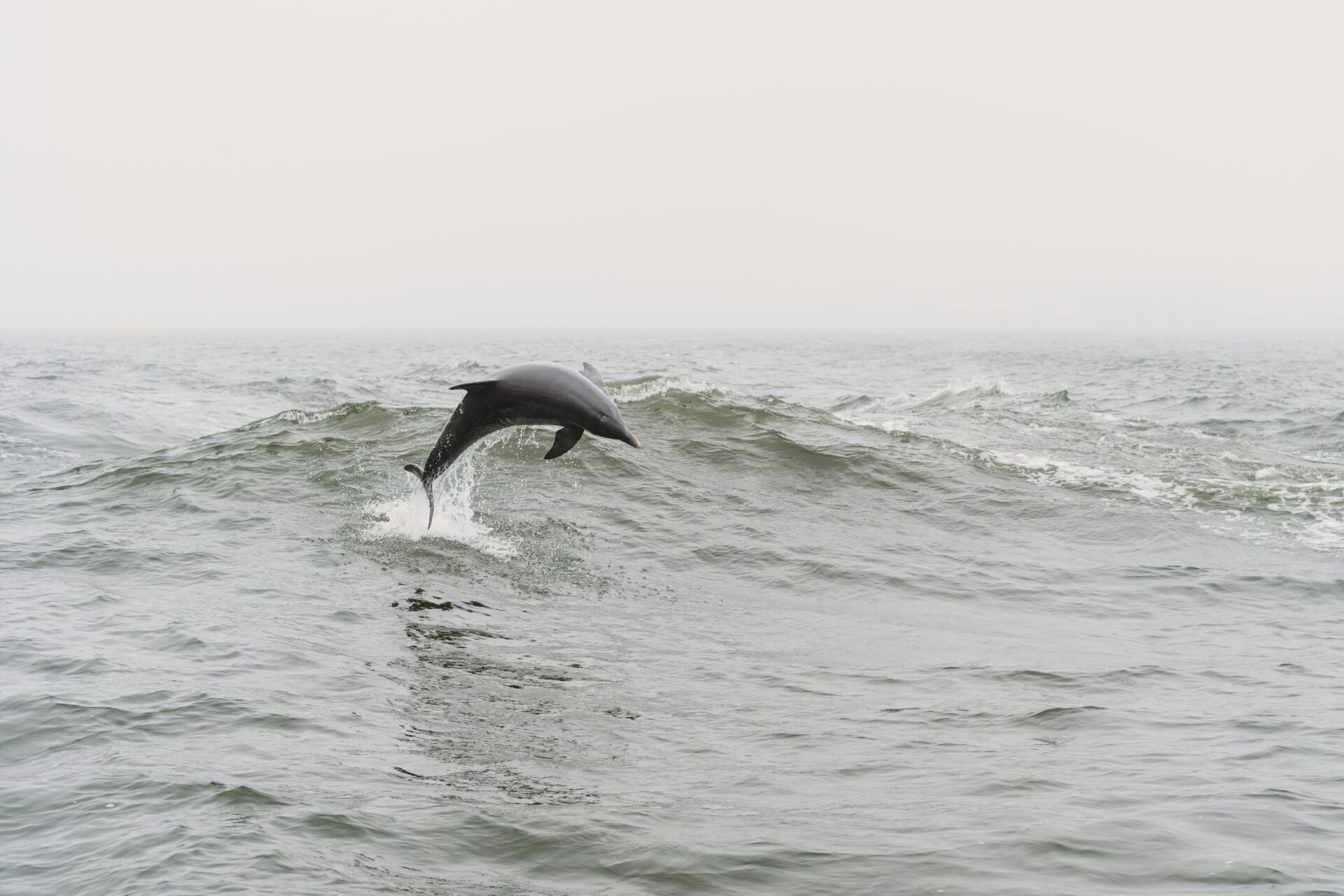
In contrast deep divers and pelagic dolphins showed a steadier increase in strandings, while harbour porpoises had an oscillating pattern, but with an overall increase in strandings. There were no sex differences in annual stranding rates, although the research team were able to pinpoint distinct seasonal trends for each group.
Overall, stranding events were widespread across Scotland, but with strandings of different species clustering in certain areas. While almost all species strand on the north west coast, porpoises predominantly strand along the east coast around the Inner Moray Firth, the Outer Moray Firth and Forth and Tay, and the southeast in the Clyde.
Dr Andrew Brownlow, Reader and Director of the SMASS, said: “This research shows how reports of stranded marine animals – many made by members of the public – can offer important clues about the overall health of our seas. These animals act as sentinels of the ocean, and rising numbers of strandings may be an early warning that something is changing in the marine environment.
“While some of the findings raise important concerns, the study also highlights that different regions face unique threats, each requiring tailored mitigation strategies. By identifying where and when species are most at risk, we can target monitoring and conservation efforts at the critical times and locations needed to best safeguard the health these ecosystems.”
While exact causes are difficult to pinpoint, scientists agree that human activities are steadily intensifying within ocean ecosystems, and that this is likely impacting wildlife populations. Predominant threats include declining fish stocks, increased bycatch and entanglement rates, noise pollution, habitat change from warming sea temperatures, and cascading impacts from chemicals and plastics.
Rachel Lennon, lead author and PhD researcher at the University of Glasgow, said: ”Fisheries interactions are recognised as a critical threat for marine mammals, especially for baleen whales in Scotland. As populations begin to recover from the impacts of historic whaling, reports of entanglement have increased.
“While determining the exact causes of strandings can be complex, identifying these emerging trends provides a vital starting point for targeting future research. It also underscores the value of long-term stranding programmes as practical monitoring tools that can help guide conservation strategies and policy interventions.”
The study ‘An Approach to Using Stranding Data to Monitor Cetacean Population Trends and Guide Conservation Strategies’ is published in Scientific Reports.


"*" indicates required fields
Printed editions
Current issue
Back issues


Enjoy so much more from Oceanographic Magazine by becoming a subscriber.
A range of subscription options are available.
