Migratory species face rising extinction risk, new UN update warns
An interim report for the Convention on the Conservation of Migratory Species of Wild Animals warns 49% of migratory species populations are declining, with extinction risk rising ahead of global conservation talks at CMS COP15.
Almost half of the world’s migratory species populations protected under a major United Nations wildlife treaty are now in decline, according to a new interim report that warns global conservation efforts are struggling to keep pace with mounting environmental pressures.
The update to the landmark State of the World’s Migratory Species (2024) assessment finds that 49% of populations of species protected under the Convention on the Conservation of Migratory Species of Wild Animals are declining – a rise of five percentage points in just two years.
Meanwhile, 24% of the species now face extinction, up from 22% in the original report.
The findings will be presented at the 15th Meeting of the Conference of the Parties to the Convention, known as CMS COP15, which takes place from 23–29 March in Campo Grande.
The gathering is expected to be one of the most significant international meetings for wildlife conservation this year. Hosted by Brazil, the week-long summit will bring governments together to negotiate new actions aimed at addressing a critical dimension of the global biodiversity crisis.
Billions of animals migrate each year across oceans, rivers, land and skies. These journeys underpin the health of ecosystems and human societies alike, helping to pollinate plants, transport nutrients, regulate food webs, control pests, store carbon and sustain livelihoods and cultures around the world. Because migratory routes frequently cross multiple national borders – and sometimes entire continents – their survival depends on coordinated international conservation efforts.

In other news





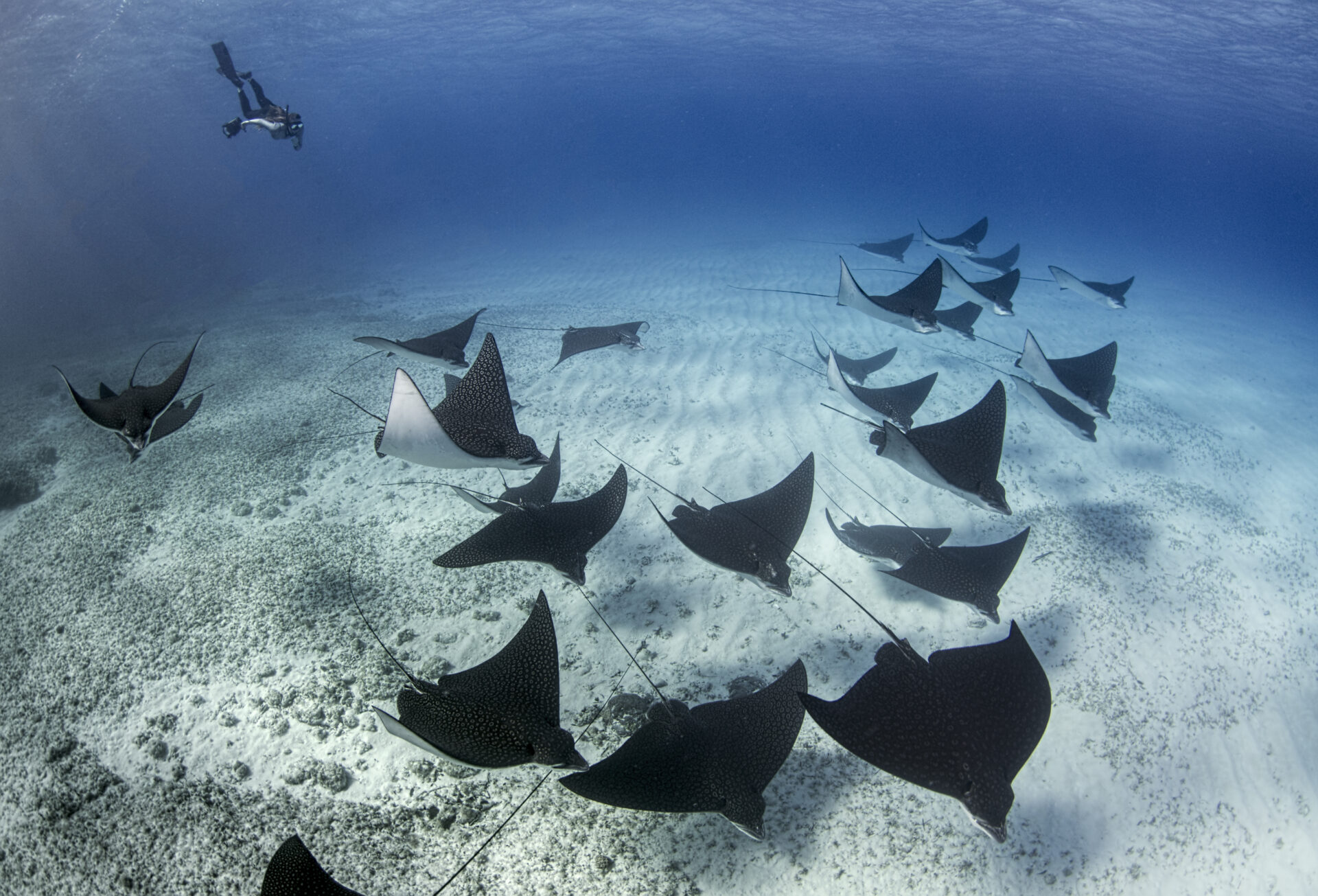
The interim report was developed for the Convention by the UN Environment Programme World Conservation Monitoring Centre, drawing on data from the International Union for Conservation of Nature and its IUCN Red List of Threatened Species. It tracks new changes in conservation status and highlights emerging trends since the 2024 baseline assessment.
Among the findings, 26 species protected under the treaty – including 18 migratory shorebirds – have shifted into higher extinction risk categories. At the same time, seven species have shown signs of recovery, including the Saiga antelope, the Scimitar-horned oryx, and the Mediterranean monk seal.
Researchers have also identified 9,372 Key Biodiversity Areas that are important for migratory species protected under the treaty, though nearly half of the total area covered by these sites remains outside formally protected or conserved zones.
Despite these challenges, the report highlights progress in mapping migratory pathways and identifying critical habitats. Initiatives such as the Global Initiative on Ungulate Migration, the Migratory Connectivity in the Ocean system, and mapping work led by BirdLife International are helping scientists better understand the global routes used by migratory wildlife.
Still, the overall trend remains concerning. Overexploitation and the loss and fragmentation of habitats are currently the two greatest threats facing migratory species worldwide, according to Amy Fraenkel, Executive Secretary of the Convention.
“The first global report was a wake-up call,” she said. “This interim update shows that the alarm is still sounding. Some species are responding to concerted conservation action, but too many continue to face mounting pressures across their migratory routes. We must respond to this evidence with coordinated and effective international action.”
The report emphasises the urgent need to improve protections for species listed on Appendix I of the Convention – a category reserved for migratory animals considered to be in danger of extinction across all or a significant portion of their range.
Currently, 188 species fall under Appendix I protection, including terrestrial mammals, aquatic mammals, birds, reptiles and fish. Countries that host these species along their migratory routes are required to provide strict protections, including prohibiting activities such as hunting or capturing them, safeguarding critical habitats and removing barriers that disrupt migration.
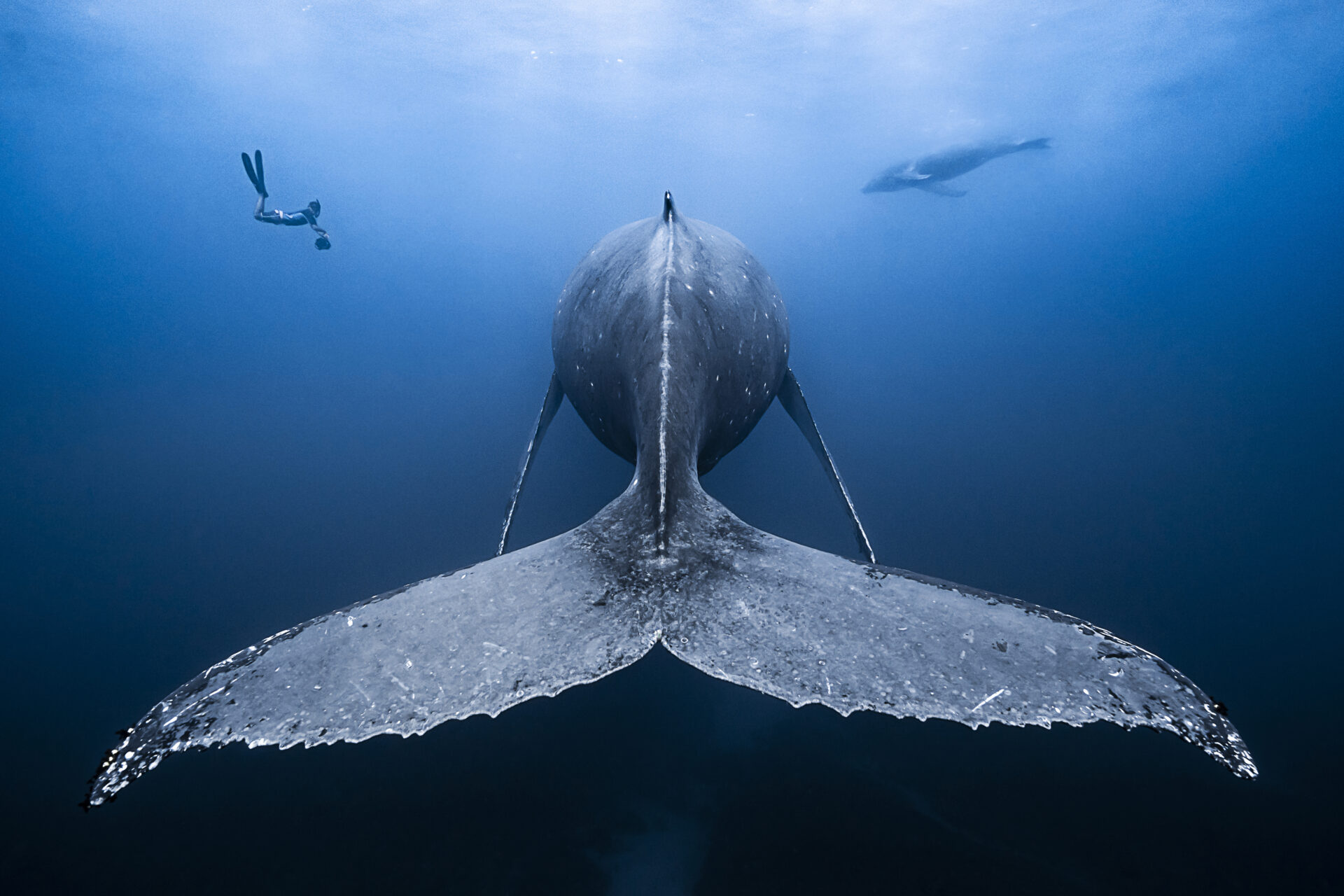
The Deep Sea Conservation Coalition (DSCC) will be attending COP15 in support of the ‘Conserving Seamount Ecosystems’ resolution from Panama and Monaco. Seamounts represent one of the ocean’s most critical yet often overlooked habitats for migratory species. They cover some 21% of the ocean floor and play a crucial role in the lifecycle of species including sharks, rays, and other migratory species of the ocean.
Yet, these habitats have been under growing threat from destructive fishing practices, including bottom trawling.
Bronwen Golder, DSCC Seamounts Campaign Director, said: “This latest report from the CMS makes clear that marine migratory species face pronounced extinction risk, with overfishing – both targeted catch and bycatch – identified as a primary driver. But the destruction doesn’t end with the catch itself. The physical degradation of critical habitats like seamounts compounds the crisis, stripping migratory species of the refuge and resources they need at every stage of their lifecycle.
“Protecting seamounts from destructive fishing activity is essential. The Conserving Seamount Ecosystems resolution, heading to COP15 this year, places this urgency at the centre of global conservation efforts. If we are to reverse the decline of migratory marine species, we must identify, connect, and defend the habitats that sustain them, starting with the seamounts that anchor so much of ocean life.”
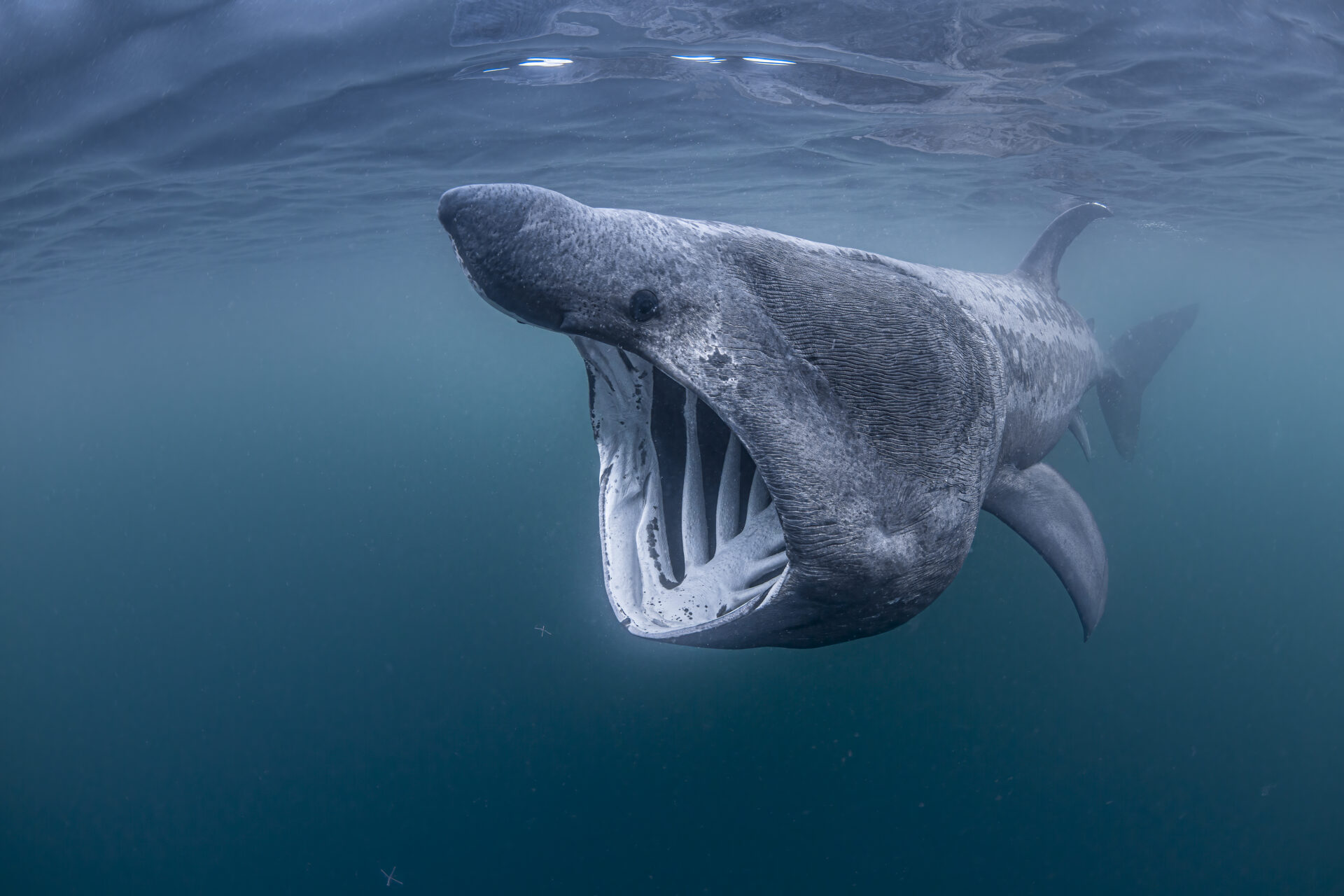
Delegates at COP15 are also expected to consider launching a new initiative aimed at addressing the exploitation of migratory wildlife. The proposed Global Initiative on Taking of Migratory Species would support governments, scientists and local communities in ensuring that any use of migratory species is legal, sustainable and safe.
The proposal reflects new evidence suggesting that domestic use – rather than international trade – may pose a greater threat to many migratory animals.
“If we intervene only at the point of crisis, we risk acting too late,” Fraenkel said. “By strengthening governance, monitoring, legislation and community engagement upstream, we can reduce pressure on these remarkable animals and put them on the path to lasting recovery.”
The original State of the World’s Migratory Species report, published in 2024, marked the first comprehensive global assessment of migratory wildlife. It examined the 1,189 species listed under the Convention at the time and analysed trends affecting more than 3,000 additional migratory species.
Among its key findings, 70 species had become more endangered over the previous three decades, while only 14 showed improvement. Migratory fish populations had declined by an average of 90% since the 1970s, and 97% of migratory fish species protected under the treaty faced extinction.
The new interim report aims to ensure that governments arriving at COP15 have the most up-to-date scientific evidence available before negotiations begin.
“We have a baseline. We have better tools. And we have growing public awareness,” Fraenkel said. “The question before governments at COP15 is straightforward: will we match this knowledge with the political will and investment needed to secure the future of the world’s migratory species?”


"*" indicates required fields
Printed editions
Current issue
Back issues



Enjoy so much more from Oceanographic Magazine by becoming a subscriber.
A range of subscription options are available.
