NGOs condemn Norway’s increased 2026 whaling quota
Norway has set a 2026 quota of 1,641 common minke whales, up 235 from 2025, describing it as sustainable management. NGOs, including ORCA, strongly oppose the move, disputing welfare claims and arguing commercial whaling contradicts global conservation consensus and public sentiment.
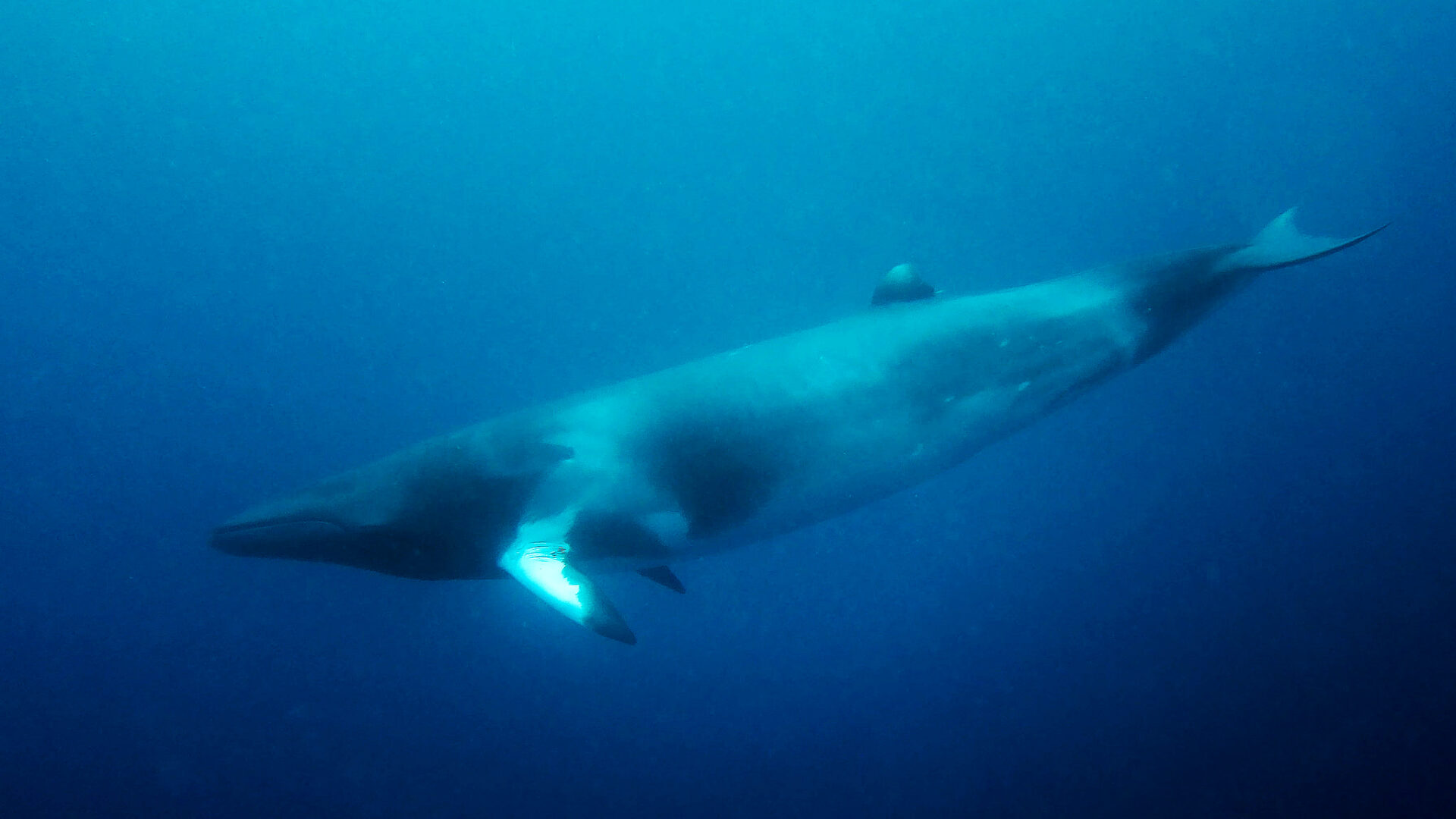
The government of Norway has announced a commercial whaling quota of 1,641 common minke whales for 2026 – an increase of 235 on last year. Officials describe the rise as largely administrative, reflecting unused quota carried over from previous seasons but have been met with strong opposition from NGOs.
In 2025, 10 vessels took part in the hunt and 429 whales were killed – well below the quota available.
But the Norwegian government has faced strong criticism from those in the environmental sector, including the marine conservation charity ORCA, who argue that attempts to frame whaling as sustainable “ocean management” misrepresent both science and public sentiment.
Norway’s Minister of Fisheries and Oceans, Marianne Sivertsen Næss, presented the increased quota as responsible stewardship. She described Norwegian whaling as “sustainable” and “strictly regulated,” adding that it employs “animal welfare-friendly” methods while arguing that whales’ fish consumption affects ecosystems such that whaling “contributes to balance in the ocean.”
The minister also linked the practice to the UN sustainability agenda, suggesting societies must “eat more seafood” and that whaling provides “healthy and local food.”
Conservation groups have – unsurprisingly – strongly disputed this framing. They argue that repackaging commercial whaling as climate- and nature-positive risks obscuring the broader ethical and ecological concerns associated with killing large, long-lived marine mammals — species that are increasingly recognised for their complex social structures and ecological roles.
Campaigners also note the similarity between Norway’s rhetoric and that of the Japanese whaling industry, which has characterised hunts as “ecosystem management,” maintaining that whales must be “culled” to keep seas “balanced.”

In other news



Commercial whaling remains subject to the moratorium established by the International Whaling Commission (IWC). Norway continues to operate under its own domestic framework, setting catch limits independently while reporting data to the IWC.
For NGOs such as ORCA, Norway’s continued hunts place it at odds with the global consensus that has, for decades, shifted toward protecting whales alive rather than exploiting them commercially.
Norwegian authorities often cite the use of explosive harpoons and crew training as evidence of humane practice. However, data reviewed through the expert process of the North Atlantic Marine Mammal Commission (NAMMCO) show that while many deaths are recorded as “instantaneous,” a notable minority are not.
In one dataset, 82% of whales were recorded as instant deaths. Among the remainder, the median time to death was six minutes, with one whale taking 20–25 minutes after being wounded and re-shot.
NAMMCO’s own technical guidance describes the “Whale Grenade-99” system used in hunts, including an explosive charge of pressed penthrite designed to detonate inside the whale. NGOs argue that deaths lasting several minutes in large, conscious, air-breathing mammals challenge claims that the hunt is “animal welfare-friendly.”
The scale of the industry also raises questions. With 429 whales taken in 2025 against a far larger available limit, the hunt appears to operate well below capacity.
For critics, that gap underscores a wider point: if whaling is truly the essential “local, healthy food system” it is presented as, demand would presumably reflect that claim. Instead, conservation groups argue that the practice persists largely as a political statement — one that continues to attract sustained international criticism.
As Norway moves into the 2026 season with its highest quota in years, opposition from NGOs shows no sign of abating, ensuring that the debate over commercial whaling remains as charged as ever.


"*" indicates required fields
Printed editions
Current issue
Back issues

Enjoy so much more from Oceanographic Magazine by becoming a subscriber.
A range of subscription options are available.
