Cyprus trawling ban would protect coastlines at negligible cost
Both Oceana and Cyprus's local fishers' union are calling for an end to the practice to protect local livelihoods and marine life.
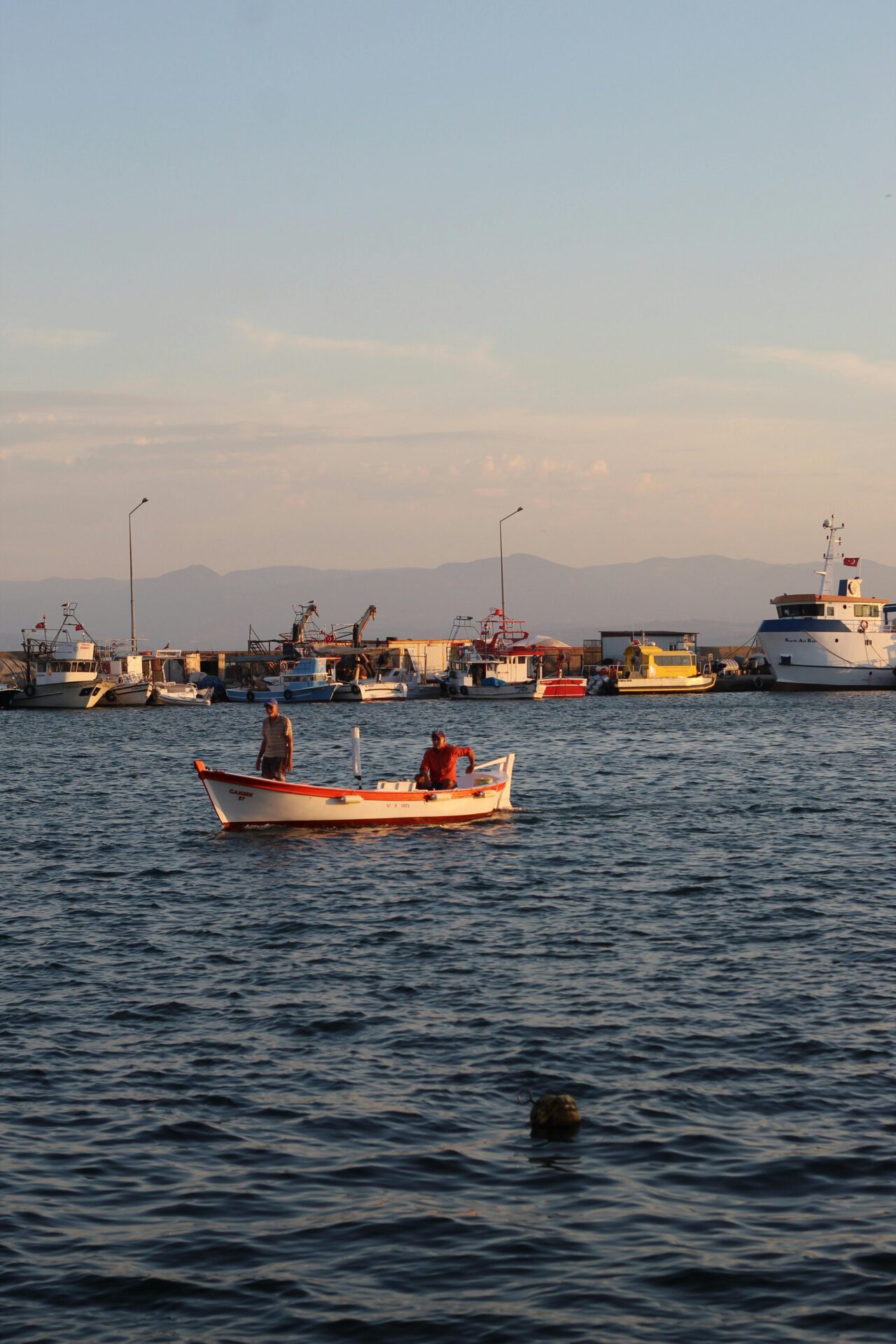
Along the coastlines of Cyprus, life in coastal towns is dictated by a careful balance: local communities depend on a healthy sea to drive the island’s blue economy, while traditional, small-scale fishers head out to the horizon to secure the livelihood that has sustained their families for generations.
Every once in a while however, this rhythm is disrupted. Industrial bottom trawlers enter these territorial waters, dragging heavy, metal nets across the seafloor. Despite happening infrequently, the destructive fishing practice has a lasting and devastating impact on marine life and local fisher’s catch.
The contrast between the little bottom trawling activity in Cyprus’ territorial waters, and the disproportionately large impact this has on local fishers has been highlighted by environmental NGO Oceana who are now calling for the government to establish an exclusive coastal zone for small-scale fishers.
In fact, a new analysis of bottom trawling in Cypriot waters from Oceana found that bottom trawling activity in Cyprus’ territorial waters occurs for over 750 hours in total across an entire five-year period (2021–2025). This footprint is driven by just five trawl vessels in total – with the vast majority of the activity conducted by a mere two Cypriot vessels.
NGO Oceana is therefore proposing the government establish an exclusive economic zone for small-scale fishers, where bottom-trawling is prohibited.

In other news
In 2021, the Republic of Cyprus proposed the permanent cessation, within two years, of the last two bottom trawlers active in its territorial waters, but this has not yet happened. The measure put forward by Oceana is also echoed by the Cyprus Union of Professional Coastal Fishermen.
Because the economic footprint of these industrial ships is so small, Oceana argues that the government could ban the practice inside the 12-nautical-mile territorial zone with virtually no financial fallout for the industry.
NGO Oceana is therefore proposing the government establish an exclusive economic zone for small-scale fishers, where bottom trawling is prohibited. This “Preferential Access Area” would instantly protect vulnerable underwater nurseries – like the Posidonia oceanica seagrass meadows – from being bulldozed by heavy, weighted nets. It would also secure the exact species, like picarel and bogue, that traditional fishers rely on to survive.
Odran Corcoran, policy advisor at Oceana in Europe, said: “ Given the limited bottom trawling activity within territorial waters, creating an exclusive coastal zone can safeguard vulnerable habitats, and support Cypriot coastal communities, at minimal cost.”
In 2021, the Republic of Cyprus proposed the permanent cessation, within two years, of the last two bottom trawlers active in its territorial waters, but this has not yet happened.
Preferential Access Areas (PAA) have proven to be successful in other parts of the world: 44 countries have already seen the environmental, economic, and employment benefits of PAAs for coastal communities.
The measure put forward by Oceana is also echoed by the Cyprus Union of Professional Coastal Fishermen, who note that safeguarding these waters is a win-win for local families and the island’s climate resilience.
President of the Union, Christodulos Charalampous, said: “We believe this will contribute to the protection of the sea and ensure a better future for small-scale professional fishermen and their families.”


"*" indicates required fields
Printed editions
Current issue
Back issues

Enjoy so much more from Oceanographic Magazine by becoming a subscriber.
A range of subscription options are available.