Tanks, no thanks: Is France's orca rescue plan 'a farce'?
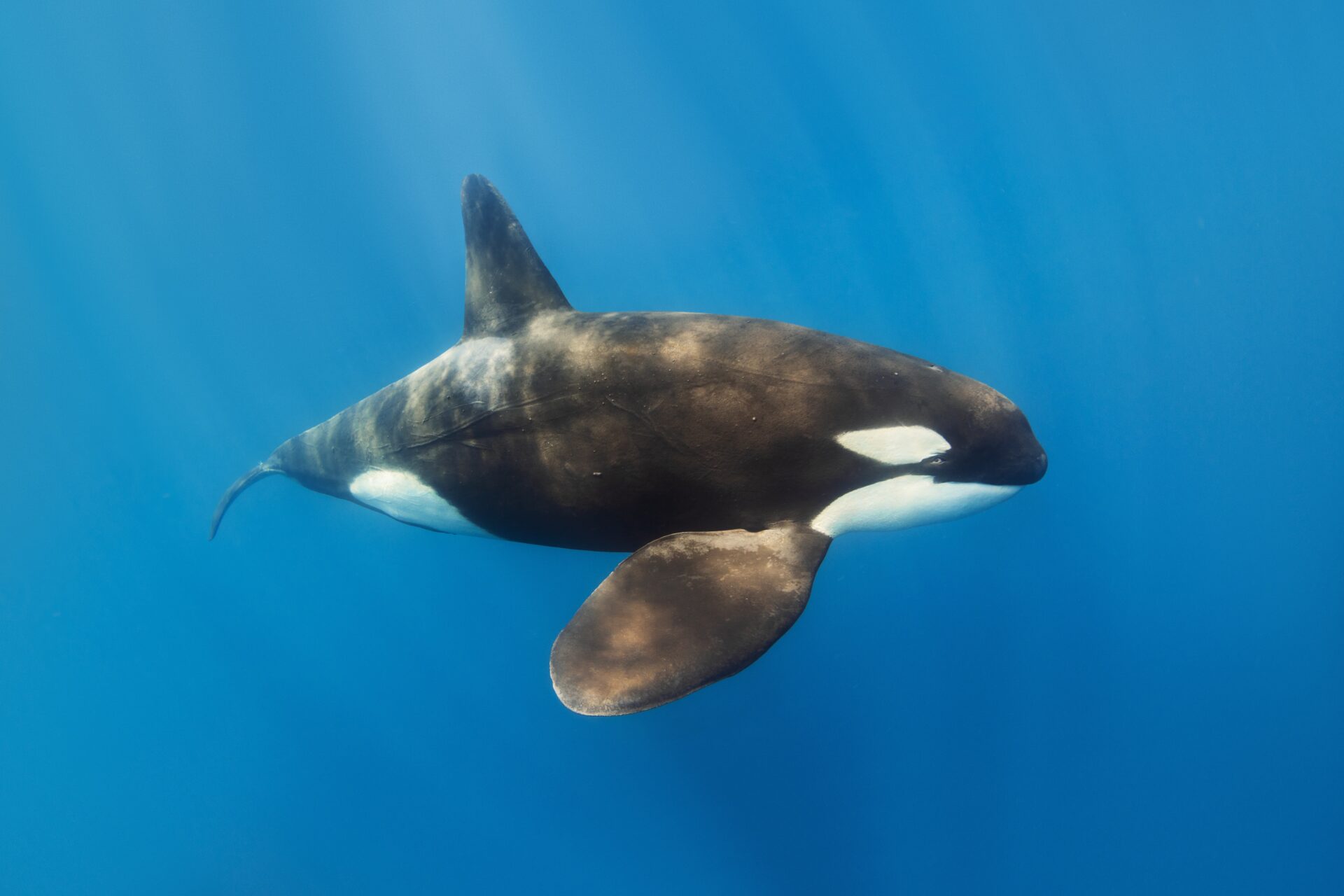
Wikie and Keijo have been stranded at the closed Marineland Antibes facility since January 2025. France has approved their transfer to Loro Parque in Tenerife, but Spain's authorisation is still pending.
Two orcas have been stranded at the closed Marineland Antibes facility in France since January 2025. Earlier this month, the French Government approved their transfer to Loro Parque in Tenerife, yet the pair remain in limbo, awaiting the Spanish government to follow suit.
Wikie and Keijo have remained at Marineland since the park closed, in facilities that have been widely reported to be in serious decline. With the French authorities having backed the transfer to the established zoological facility in the Canary Islands – where Loro Parque has offered to fund both the move and ongoing care – attention has now shifted to Madrid, where the Spanish Government must decide whether to authorise the animals’ arrival.
PETA Watch, which has campaigned throughout the Marineland closure for the orcas to be transferred to an ‘accredited zoological facility’, has written an open letter to Spanish Minister Mathieu Lefèvre urging swift action. Within it, the group’s senior adviser, Brian Monteith, a former Member of the European Parliament, said the choice before the Spanish Government is ‘not a complex one’.
“We urge you to authorise a transfer that provides immediate, professional and properly resourced care and reject the animal rights extremists who put the orcas’ health at risk,” the letter states. “With Marineland shut since January 2025 and its facilities widely reported to be in severe decline, the welfare of the stranded orcas must now take precedence over political pressure and activist ideology.”
The campaign around Wikie and Keijo has been fractious, with animal rights organisations pushing for alternatives to zoo transfer – including the possibility of sea sanctuaries or, in some cases, return to the ocean.
PETA Watch has been among the most vocal critics of that position, arguing that such proposals are ‘not grounded in operational reality’. The Whale Sanctuary Project in Nova Scotia – frequently cited by campaign groups as a potential destination – remains unbuilt and is said to have sought €10 million in funding from French authorities.
PETA Watch argues that ‘no functioning sea sanctuary currently exists that could receive the animals’.

In other news
Loro Parque, however, has long been criticised for its treatment of captive orcas and has seen the deaths of four animals since 2021. It was also previously deemed ‘unsuitable’ by Spain’s scientific authority under CITES, which reportedly found it did not meet minimum standards for space, volume, and depth.
France’s 2021 legislation to phase out the use of wild animals in marine parks was meant to mark a turning point for animals like Wikie and Keijo. Instead, their future has remained uncertain since Marineland Antibes closed at the start of last year. Facilities were given until December 2026 to rehome cetaceans, but a sanctuary option is still under development.
“Moving Wikie and Keijo from one ‘entertainment’ facility to another is not conservation – it’s simply a change of address, and it runs counter to the spirit of French law introduced to end the commercial exploitation and breeding of whales and dolphins,” said Rob Lott, captivity lead at Whale and Dolphin Conservation.
“Sanctuaries for elephants, big cats and great apes have already shown that better alternatives are possible, even if they require time and investment. The fact remains that orcas are profoundly unsuited to life performing tricks in captivity, where the physical and psychological impacts are already well documented.”
The WDC has argued that French authorities and Marineland’s owners have now ‘missed an opportunity’ to work together to transition Wikie and Keijo away from the entertainment industry and to a sanctuary model, one that “would provide a more natural environment, greater autonomy and a life focused on welfare rather than performance or breeding.”
“Spanish authorities rejected the proposed move to Tenerife last year largely because of concerns over unsuitability and tank size and nothing material has changed since then,” added Lott.
Meanwhile, on France’s decision to approve the Loro Parque transfer, PETA Watch has been unequivocal. “The French Government has made the right call for the wellbeing of these orcas,” Monteith said. “Faced with fantasy solutions and political pressure, it chose the only credible option that safeguards their welfare.”
A news report issued by WDC has been quick to remind audiences that orcas are unsuited to being confined in tanks.
‘They are smart and can roam many hundreds of miles each week in the ocean. Keeping them confined causes stress and unnatural behaviour – the death rate for captive orcas is 2.5 times higher than in the wild,’ it read.
‘WDC is working tirelessly to ensure that the current generation of whales and dolphins held in captivity is the last – through bans on breeding and wild captures. Alternative living conditions must be created for the remaining individuals by ending shows and considering placement in marine sanctuaries.’


"*" indicates required fields
Printed editions
Current issue
Back issues
Enjoy so much more from Oceanographic Magazine by becoming a subscriber.
A range of subscription options are available.
