UK river granted rights in landmark move
A new charter formally recognises the entire catchment of the River Wye as a living ecosystem with intrinsic rights, making it the first river in the UK to receive cross-border protection of this kind.
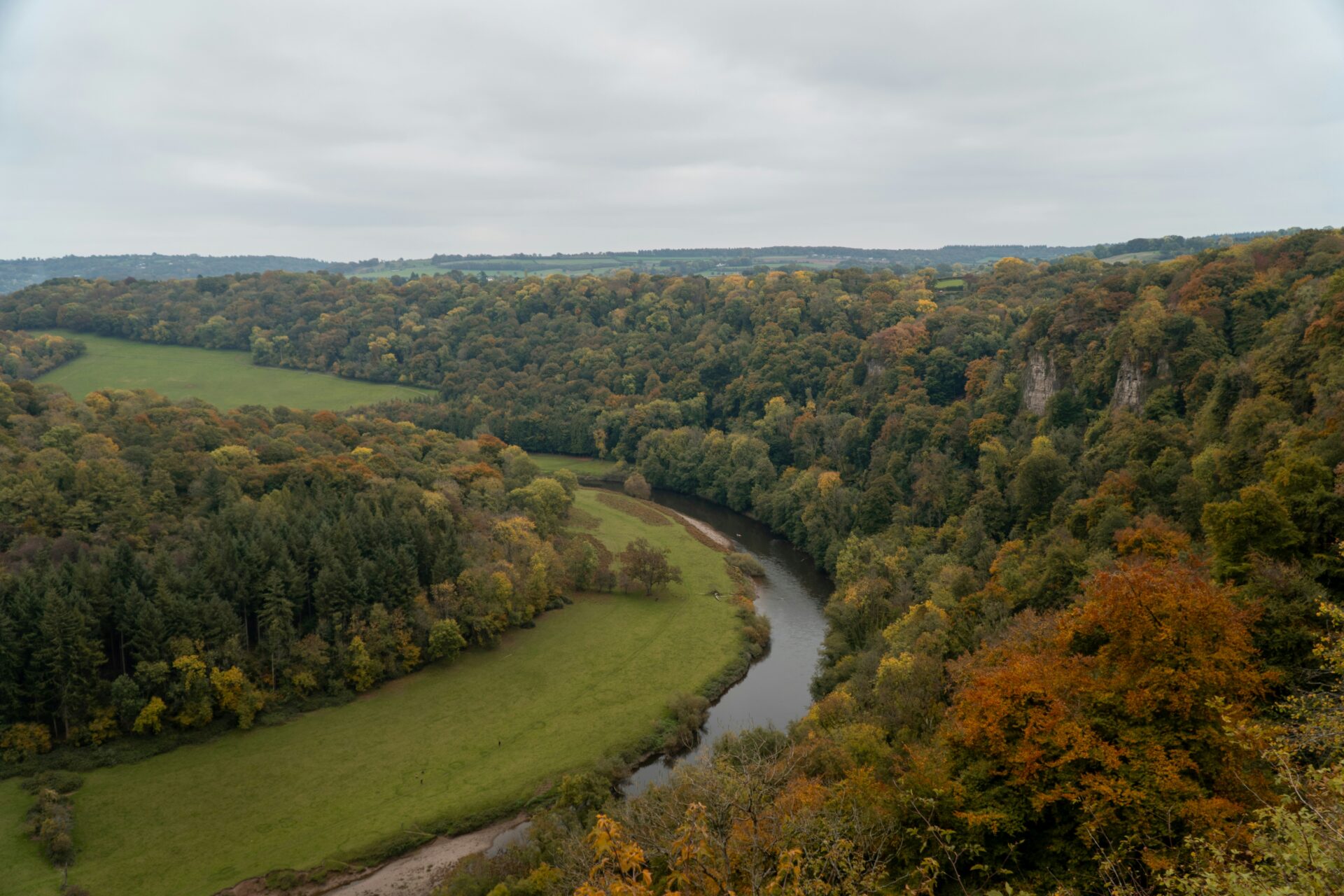
The River Wye, which runs through Wales and England, has become the first river in the UK to be granted cross-border rights from source to sea.
The charter means the river is valued with intrinsic rights, and means the river’s right to flow, maintain biodiversity, remain free from pollution, regeneration, to be supported by a healthy catchment, and have representation in decision-making processes are specifically protected.
This landmark decision covers the river’s entire 130-mile catchment, from its source in the Cambrian mountains to the Bristol Channel. This Sunday, the charter was celebrated by a community event at the Hay-on-Wye festival.
Jackie Charlton, the county council’s cabinet member for a greener Powys, said: “The River Wye is central to our environment, communities and heritage. By adopting this charter, we are making a clear statement that the river’s health matters and must be protected.
The Wye is also at the centre of one of the UK biggest pollution cases, as locals have reported that in recent years the river turns regularly green in the summer and has become smelly and slimy. The status of the river has been downgraded to “unfavourable – declining” by Natural England.
The charter has been endorsed by the councils of Herefordshire, the Forest of Dean, the Bannau Brycheniog National Parks Association and the Wye Valley National Landscape.
“The river has a right to perform its natural functions and be free from pollution,” said Councillor Elissa Swinglehurst, who signed the charter on behalf of Herefordshire Council.
In other news
In April 2025, ecologist Dr Louise Bodnor was appointed as the ‘Voice of the Wye’. This allows her to speak and vote on behalf the river in official meetings.
Legal personhood is the recognition that an entity – whether human or non-human – has the capacity to hold legal rights, bear duties and participate in the legal system. Globally, this legal concept has been granted to rivers in Ecuador, Canada and New Zealand.
The House of Lords is considering a proposal by the former leader of the Green party, Natalie Bennett, to change nature’s legal status from objects, property and resources to subjects with inherent rights.
Swinglehurst told the BBC that she hopes the river Wye’s charter raises people’s awareness that the river has a right to be respected.
“Imagine if the Severn did it, then the Avon, then the Thames. If every river did this, then surely the constitutional change to consider the rights of nature is at least possible,” she added.


"*" indicates required fields
Printed editions
Current issue
Back issues
Enjoy so much more from Oceanographic Magazine by becoming a subscriber.
A range of subscription options are available.
