Norway extends Arctic deep-sea mining freeze through 2029
In a decision reverberating across the ocean governance community, Norway’s newly elected government has moved to halt all deep-sea mining activity in its Arctic waters until at least the end of 2029, signalling a dramatic break from the country’s once-strong pro-mining stance.

In a decision reverberating across the ocean governance community, Norway’s newly elected government has moved to halt all deep-sea mining activity in its Arctic waters until at least the end of 2029, extending an earlier pause and signalling a dramatic break from the country’s once-strong pro-mining stance.
The announcement – confirmed after tense coalition negotiations and sustained pressure from environmental groups – shuts the door on exploration and exploitation licenses for the rest of the decade. The government also committed to cutting all public funding for state-led seabed mineral mapping – an unprecedented step for a nation that only recently positioned itself at the forefront of Europe’s deep-sea mining ambitions.
Environmental advocates have been quick to celebrate the move as a landmark victory.
“Deep sea mining in Norway has once again been successfully stopped,” said Haldis Tjeldflaat Helle, Deep Sea Mining Campaigner with Greenpeace Nordic. “We will not let this industry destroy the unique life in the deep sea, not in the Arctic nor anywhere else.”
The decision comes amid a broader global cooling toward deep-sea mining. The industry – still not operational anywhere in the world – has faced mounting scientific, political, and public resistance. In November, the Cook Islands announced five-year extensions on pending mining applications, effectively delaying any commercial activity in its Pacific waters until at least 2032.
Globally, some 40 nations have called for a moratorium on deep sea mining, including Canada, the UK, Portugal, France, and Brazil – the recent host nation of this year’ climate conference of the parties, COP30 in Belem.
In other news



Helle has framed Norway’s decision as a decisive signal to governments worldwide.
“This must be the nail in the coffin for the deep sea mining industry in Norway,” she said. “Any government that is committed to sustainable ocean management cannot support deep sea mining. Now Norway must step up and become a real ocean leader, join the call for a global moratorium, and bring forward a proposal of real protection for the Arctic deep sea.”
Louisa Casson, Deep Sea Mining Campaigner at Greenpeace International, added that global momentum is on the side of conservation.
“Millions of people across the world are calling on governments to resist the dire threat of deep sea mining to safeguard oceans worldwide,” she said. This is yet another huge step forward to protect the Arctic, and now it is time for Norway to join over 40 countries calling for a moratorium and be a true ocean champion.”
The latest pause follows a 2024 agreement by the previous government to halt Norway’s first Arctic deep-sea mining licensing round – a decision forged after intense international scrutiny and budget-season negotiations with the Socialist Left Party.
With the new coalition now in power, the moratorium has been extended to 2029. Observers say the move marks a significant shift in political consensus and could place Norway on a path toward phasing out the industry entirely.
For ocean scientists and conservationists, Norway’s pivot may carry outsized weight. As Arctic ecosystems face accelerating climate pressures, the country’s decision could help shape international norms around whether – and how – nations pursue mineral resources in the deep sea.
For now, at least, the Arctic seabed will remain untouched. Norway’s next steps may determine whether it becomes one of the world’s leading voices for ocean protection.


"*" indicates required fields
Printed editions
Current issue
Back issues
Back Issues
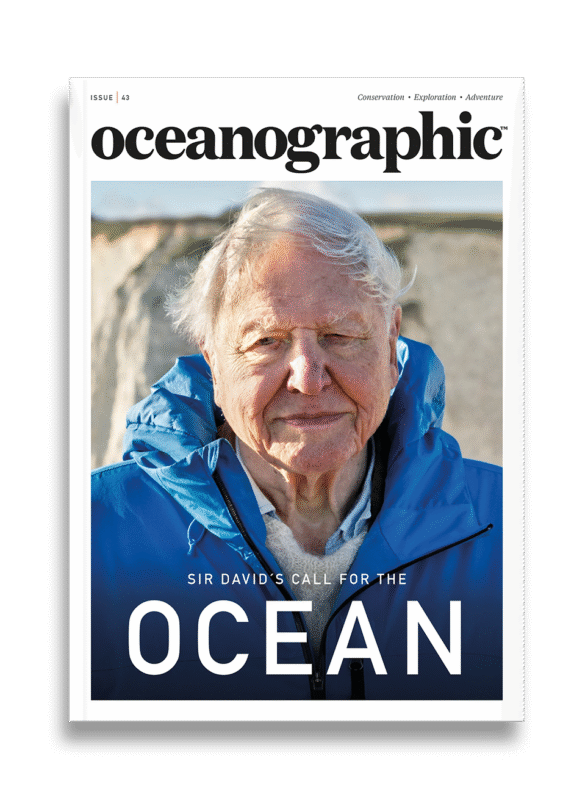
Issue 43 Sir David Attenborough’s ‘Ocean’


Back Issues
Issue 41 Holdfast to the canopy
Enjoy so much more from Oceanographic Magazine by becoming a subscriber.
A range of subscription options are available.
