Notes from nature: Can seals offer insight into reproductive health?
Researchers suggest that several aspects in the life history of seals that could provide significant insight into their reproductive physiology - as well as that of humans - include female seals’ ability to undergo lengthy fasting and lose about 30% of their body weight while nursing a pup.

Seals and other wild animals navigating their natural habitats in some of earth’s most extreme conditions can provide new perspectives on important human issues, including providing answers to some of the most pressing concerns in the field of reproductive health.
A newly published article by Michelle Shero, an assistant scientist at the Woods Hole Oceanographic Institution’s Biology Department outlines how it is in the study of seals in particular that benefits to human health can be sought, by taking a deep dive into some of their most ‘extreme’ solutions.
Several aspects in the life history of seals that could provide significant insight into their reproductive physiology – as well as that of humans – include female seals’ ability to undergo lengthy fasting and lose about 30% of their body weight while nursing a pup.
Seals also have an “exceptional ability” to hold their breath for up to two hours in some species, for long dives and – it has been discovered – harness the function to ‘pause’ pregnancy in a process known as embryonic diapause, allowing them to give birth in more advantageous environmental conditions, such as in warmer weather or when there is more food.
Okay, so these are attributes perhaps not immediately transferable when it comes to human reproductive health. However, by taking a deeper dive into the biology behind some of these solutions, scientists believe they could be on the pathway towards answering some of our most pressing questions.
“When people think about biomedical research, they probably don’t immediately think about wildlife such as birds, cheetahs, bears, or seals – but they should,” said Shero.
Such ‘clever’ solutions that wild animals have found to not just survive but thrive at the ends of the earth can challenge assumptions and encourage a different way to address human issues. It’s all laid out in the journal article ‘How adaptive solutions from marine mammal life history could address pressing problems in reproductive biomedicine’, published this week in Fertility and Sterility Reports.
The article’s prime example suggests that marine mammals challenge the notion that insulin resistance is always detrimental.
“Instead of seals experiencing the negative effects people have with diabetes, insulin resistance may be advantageous in seals and other marine mammals in order to help these animals break down fats while preserving important muscle mass throughout the long fasts they endure while nursing,” said Shero.
In other news

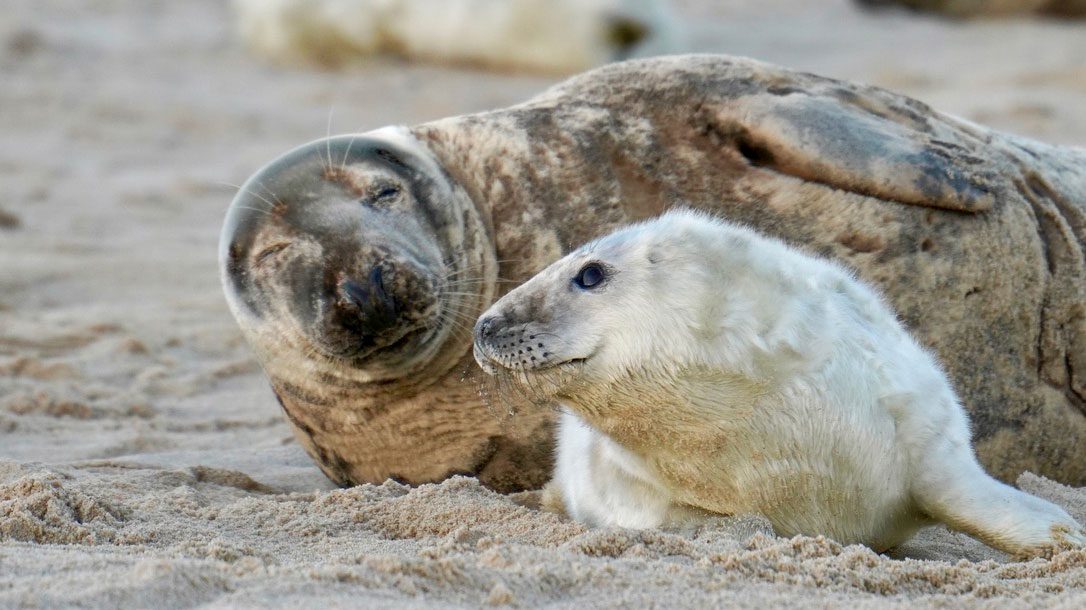
In humans, gestational diabetes can be especially dangerous. If the mother has too much glucose in the bloodstream, that may also get transferred to the fetus, causing the baby to grow too quickly, increasing the likelihood of birthing complications.
Seals, however, appear to be able to manipulate how glucose is transferred between maternal and fetal blood differently from all other animals studied to date. It may – researchers at WHOI have suggested – provide insight into early intervention for human pregnancies with gestational diabetes.
Elsewhere, and while complications can quickly arise due to oxygen deprivation during birth, seals may be able to provide lessons in their ability to withstand extremely low oxygen levels as a routine event in everyday life – making long dives.
“What marine mammals do to make it possible for them to dive for so long is really amazing. First, they carry so much more oxygen in their bodies than terrestrial mammals do. Then the seals manage it really carefully – giving oxygen to the most sensitive organs such as the heart and the brain, while almost entirely cutting off oxygen to other organs and muscles – to slow down their oxygen use,” said Shero.
“Finally, seals can tolerate much lower oxygen levels than human divers or even mountain climbers – and they can essentially ‘run on fumes’ once they have largely used their internal stores of oxygen. This is even more incredible when we consider the fact that every time the adult seal dives, her fetus is brought along and responds in much the same way on all those dives too.”
In the article’s final lesson from the seals, Shero said scientists think embryonic diapause could be a capability inherent in the background across mammals, including humans.
Learning how to ‘hit pause’ on pregnancy until conditions are optimal like seals do, would be a breakthrough for potentially improving the success rates for human in-vitro fertilisation.
The article indicates that where early-stage embryos are often frozen for IVF, that freezing process can cause damage, if the embryos instead could be naturally slowed or paused, this problem could be altogether avoided.
The aim of the article is to strengthen the ties between human health and the health of the natural world, indicating that ‘wild animals navigating their natural world can provide new perspectives regarding important issues in reproductive health.’
“In seeking ways to improve human health, we should be looking to the extraordinary feats of wild animals – they have often found the most innovative solutions,” Shero concluded.


"*" indicates required fields
Printed editions
Current issue
Back issues
Back Issues
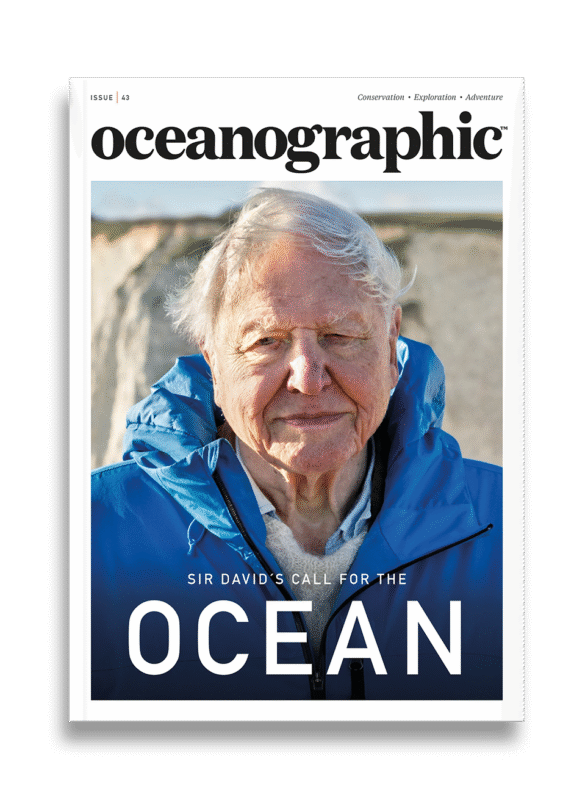
Issue 43 Sir David Attenborough’s ‘Ocean’
Enjoy so much more from Oceanographic Magazine by becoming a subscriber.
A range of subscription options are available.