Opaque EU vessel ownership undermines its illegal fishing fight
Oceana warns that EU-owned fishing vessels operating under flags of convenience exploit enforcement gaps, weakening efforts to combat illegal fishing and allowing high-risk seafood to enter EU markets despite the bloc’s stated zero-tolerance policy.
A new analysis by the marine conservation organisation Oceana has raised concerns that European ownership of fishing vessels operating under flags of convenience, tax havens, and high-risk jurisdictions is undermining the European Union’s fight against illegal, unreported and unregulated (IUU) fishing.
The investigation identifies at least 105 large-scale fishing vessels owned by EU citizens or companies that are registered in countries with weak fisheries governance, limited labour protections, or permissive tax regimes.
According to Oceana, these arrangements expose a significant enforcement gap, enabling European operators to sidestep EU regulations while continuing to profit from fishing activities that may violate international and EU law.
Although the EU maintains a stated zero-tolerance policy toward illegal fishing, Oceana warns that profits derived from potentially illegal operations can still flow back into the European market when vessel ownership is obscured through opaque corporate structures.
The organisation has argued that EU nationals frequently rely on what are known as ‘shell companies’ – a registered business with no significant assets or active operations – and complex ownership arrangements in loosely regulated jurisdictions to conceal their role as beneficial owners.
This, in turn, allows them to distance themselves from non-compliant fishing activities, the report has stated.
“The EU must ensure that its own nationals are not involved in potential illegal fishing, under any country’s flag. Knowing who owns and profits from fishing vessels is key to enforcing the EU’s zero-tolerance policy towards illegal fishing and to protecting coastal communities worldwide, EU consumers, as well as the European market,” said Illegal Fishing and Transparency campaign director at Oceana in Europe, Vanya Vulperhorst.

In other news


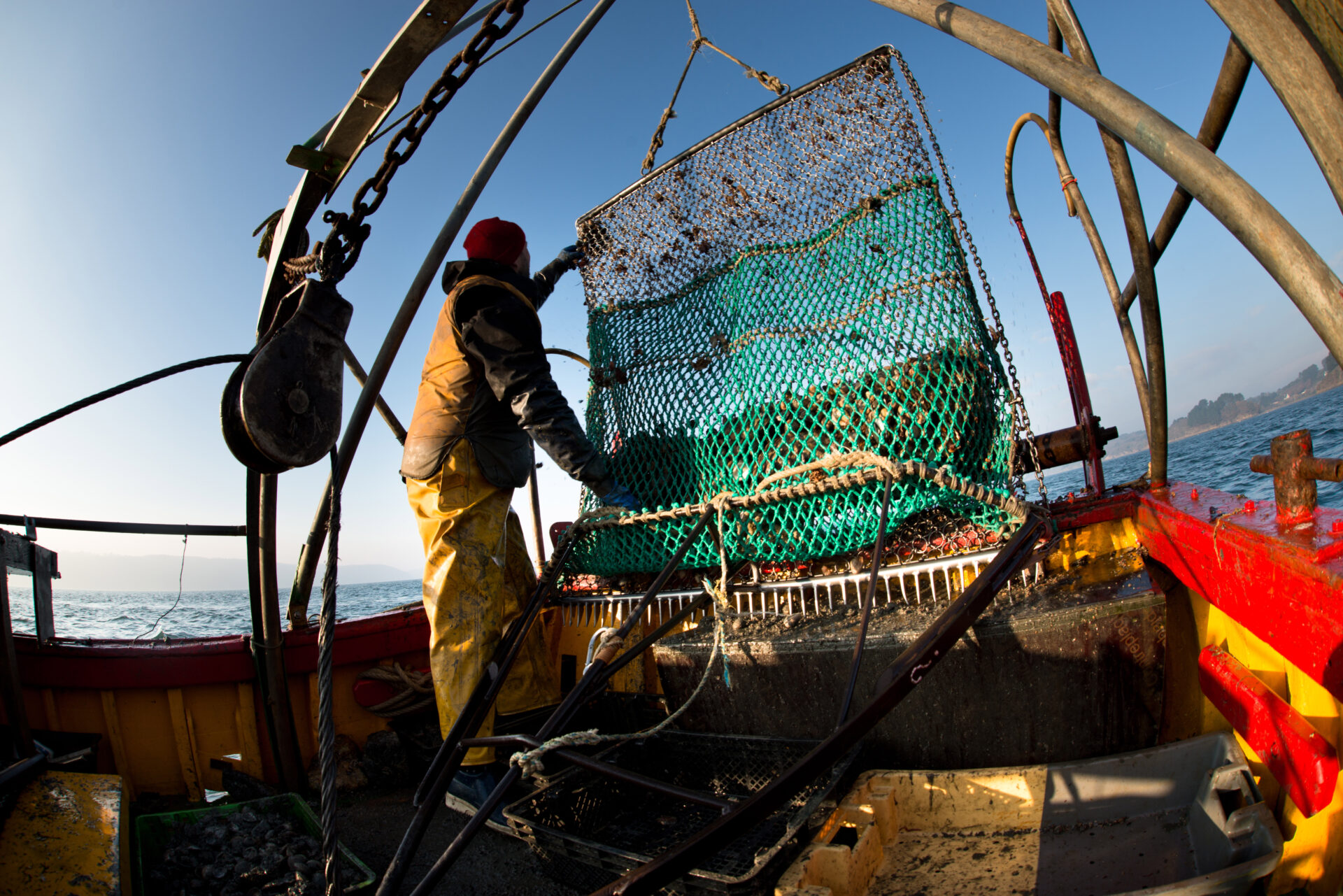
The vessels analysed by Oceana are flagged to 20 jurisdictions considered high risk for illegal fishing. Owners are based across several EU Member States, with Spanish, Portuguese, and Lithuanian operators accounting for the highest numbers of EU-linked vessels flying such flags.
Of particular concern, 33 of these vessels – flagged to countries including Panama, Belize, Senegal, and Ecuador – are authorised to export seafood directly into the EU. This creates a pathway for high-risk seafood products to enter European supply chains, despite potential governance and compliance shortcomings.
The team at Oceana has noted that Member States currently do not require their citizens or companies to disclose beneficial ownership interests in foreign-flagged fishing vessels. As a result, ownership links often remain invisible to authorities. This can weaken oversight while allowing revenues from potentially illegal activities to return to Europe without detection.
In response, Oceana is calling on EU Member States to tighten transparency and enforcement measures. The organisation urges governments to require EU citizens and companies to report any legal, beneficial, or financial interests in fishing vessels flagged to non-EU countries, particularly where those flags are associated with illegal fishing risks or subject to EU seafood trade bans.
The team has also called for stronger monitoring systems and targeted investigations into ownership links between EU nationals and foreign-flagged fleets operating under flags of convenience.
The recommendations come ahead of the upcoming Our Ocean Conference in June, as well as the one-year anniversary of the EU Ocean Pact. Under the Pact, the EU committed to addressing the use of flags of convenience and improving transparency around beneficial ownership in the fishing sector.
Oceana argues that swift action by Member States is essential to ensure those commitments translate into meaningful protections for the ocean and to prevent European actors from profiting from activities potentially linked to illegal fishing.


"*" indicates required fields
Printed editions
Current issue
Back issues


Enjoy so much more from Oceanographic Magazine by becoming a subscriber.
A range of subscription options are available.
