Opaque regulations create systemic blind spot ripe for illegal fishing
Over three-quarters of the UK’s largest commercial fishing vessels operate under untraceable or highly obscured ownership structures, a new report warns.
The lack of transparency around ownership of commercial fishing vessels in the UK is creating a systemic blindspot where illegal fishing can occur, according to a new report.
Environmental law organisation ClientEarth analysed the UK’s largest fishing vessels, and found that under a quarter of the UK’s largest commercial fishing vessels have clear ownership transparency. Ownership was highly difficult to determine in 37% of cases and entirely untraceable in the remaining 39%.
The report titled “Whose Boat Is This” found that current regulations risk enabling vessel owners to operate through complex corporate structures and hide behind shell companies. This masks who the true Ultimate Beneficial Ownership (UBO) is of these vessels. Without clear ownership, the organisation has said that this weakens national oversight in UK waters, increasing the potential for illegal fishing practices.
The report also found that this regulatory gap exposes the country to risks linked to organised crime, illicit financial flows, sanctions evasion and other illegal activities associated with global fishing networks.
“The core problem is simple: the government does not publicly identify who really owns many of the vessels commercially fishing UK waters to a clear and satisfactory extent,” said Kyle Lischak, Head of UK at ClientEarth. “This lack of transparency around vessel ownership, which limits accountability, allows for unlawful fishing practices to potentially occur”.

In other news




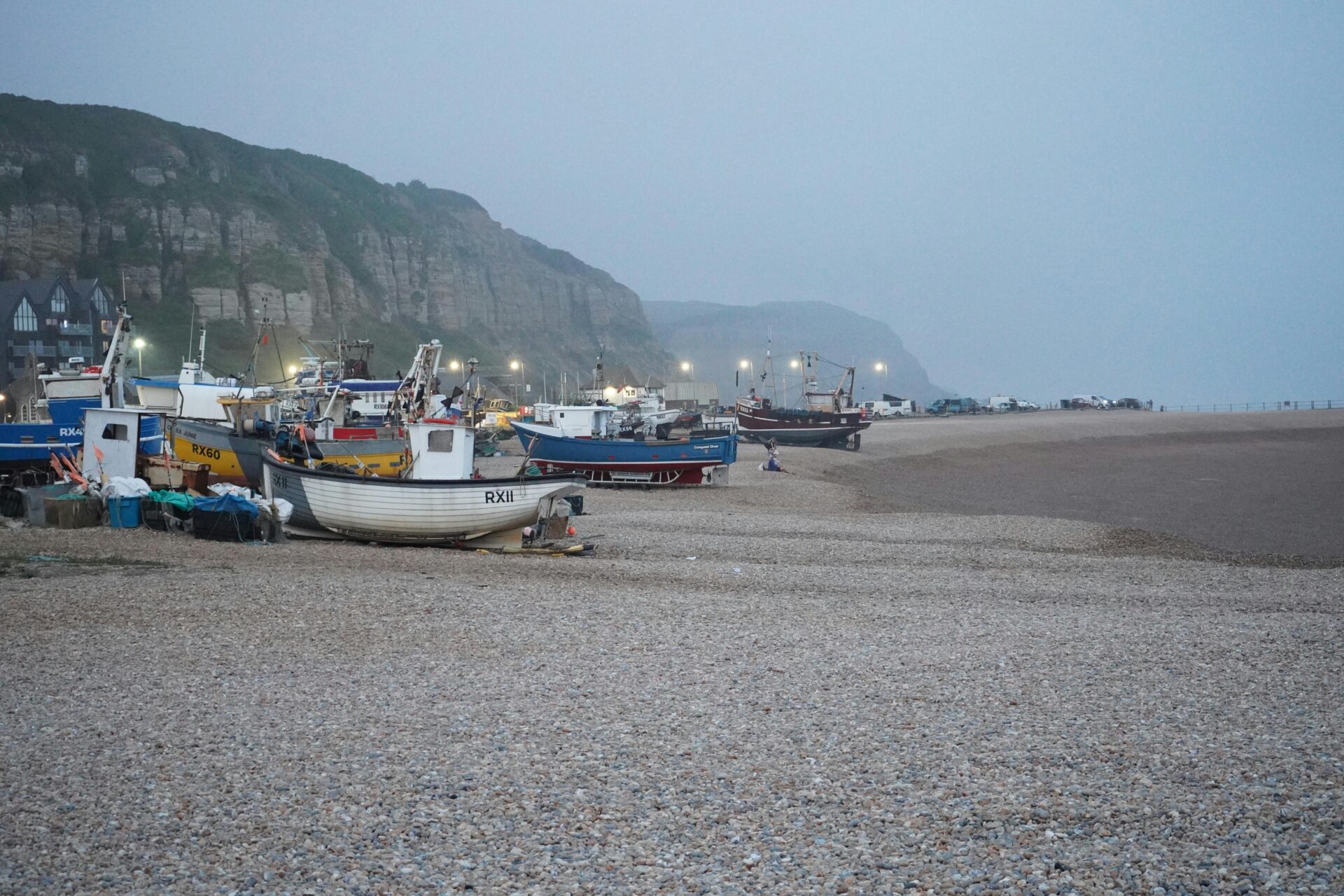
The opacity of UK regulations also, the report says, has adverse impacts on law-abiding UK fishers who make concerted efforts to comply. This puts them in direct and potentially unfair competition with bad actors, leading to market distortions.
The UK already has established frameworks that could improve fisheries transparency, including company ownership rules and new verification powers, but tightening regulations around UBO disclosure would help to close worrying loopholes of anonymity.
The report recommends requiring UBO disclosure at commercial fishing vessel registration and licensing stages, lowering ownership thresholds to make it harder to hide, and publishing UBO data in a publicly accessible register.
“These reforms would strengthen enforcement, protect UK fishers, and build public trust,” said Lischak. “The solution is practical and achievable with existing tools. It is now up to the UK to act.”


"*" indicates required fields
Printed editions
Current issue
Back issues




Enjoy so much more from Oceanographic Magazine by becoming a subscriber.
A range of subscription options are available.
