Aotearoa New Zealand marks biggest marine reserve expansion in over a decade
The newly designated 308-square-kilometre network, co-managed alongside Kāi Tahu iwi, safeguards critical marine habitats for endangered species.
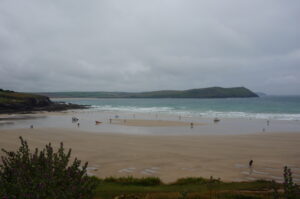
Aotearoa New Zealand has announced the establishment of five new marine reserves along the Otago coast today, marking the country’s first new marine sanctuaries in over a decade.
The newly designated network, encompassing 308 square-kilometres, increases mainland Aotearoa New Zealand’s total marine reserve coverage by nearly 50 percent. Known collectively as Te Au Roa o Te Rakihouia – a name honouring the ancestral voyages of the local Kāi Tahu iwi (tribe) – the reserves are entirely “no-take” zones designed to minimise human disruption and allow depleted ecosystems a chance to heal. These reserves will officially take effect on 1 July 2026.
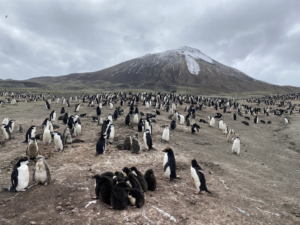
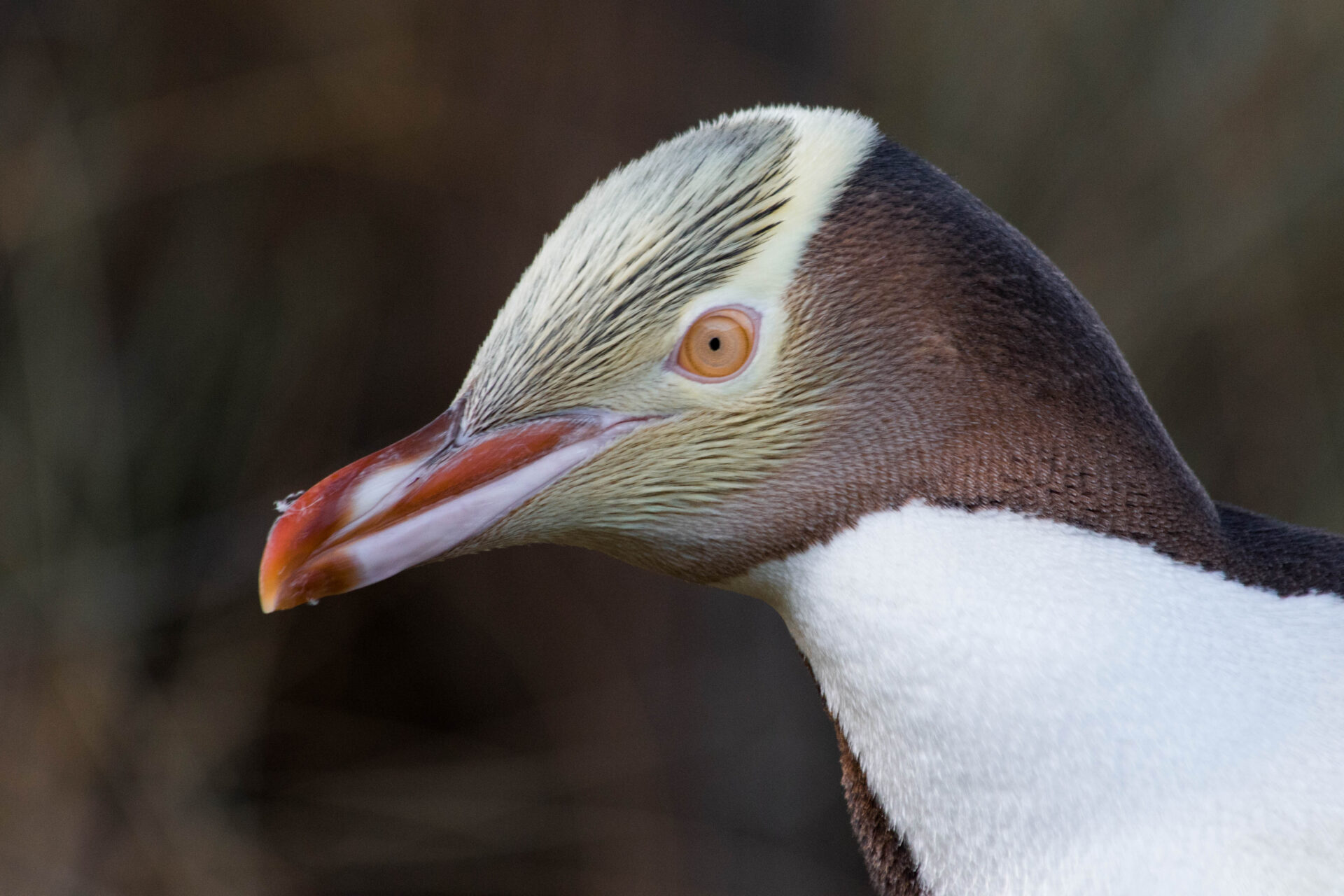
The protected coastal waters boast highly diverse habitats, including giant kelp forests, rocky reefs, steep offshore canyons, and fragile deepwater coral communities. These areas serve as vital breeding and feeding grounds for several globally threatened and iconic species. Among them are the yellow-eyed penguin, Aotearoa New Zealand sea lion and albatross.
“Protecting these areas gives marine ecosystems the opportunity to recover, strengthens resilience, and supports the long-term health of our oceans,” Minister Potaka stated.
He highlighted that the achievement comes after more than ten years of rigorous community consultation and tight collaboration with Indigenous partners; the process was first initiated by Ministers in 2014.

Related features
This network will be co-managed by the Department of Conservation and Kāi Tahu will jointly manage and monitor the waters. A dedicated team of nine specialised rangers, drawn from both entities, will handle daily monitoring and enforcement.
Edward Ellison, upoko of Te Rūnanga o Ōtākou, called the network an “outstanding result” that rewards three decades of local advocacy. He noted that the structure formally extends traditional Māori guardianship, or kaitiakitaka, from the mainland into the moana (ocean).
While the five reserves represent a massive step forward, the government is not finished yet. Officials confirmed that the final boundaries for a sixth proposed reserve are currently under active consideration.
Forest & Bird Otago/Southland Regional Conservation Manager Chelsea McGaw said: “These reserves can’t come soon enough, with hoiho at severe risk of local extinction on the New Zealand mainland. Protecting the ocean isn’t just about offshore areas – it’s about protecting the full connected system, ki uta ki tai – from mountains to sea. That’s critical for the species and ecosystems that depend on these places.”


"*" indicates required fields
Printed editions
Current issue
Back issues
Enjoy so much more from Oceanographic Magazine by becoming a subscriber.
A range of subscription options are available.
