Otters act as biological hard drive for entire ecosystems
The apex predators provide critical insights into the health of whole ecosystems, and researchers believe monitoring the mammals provides a low-cost method of recording the environmental health of waterways
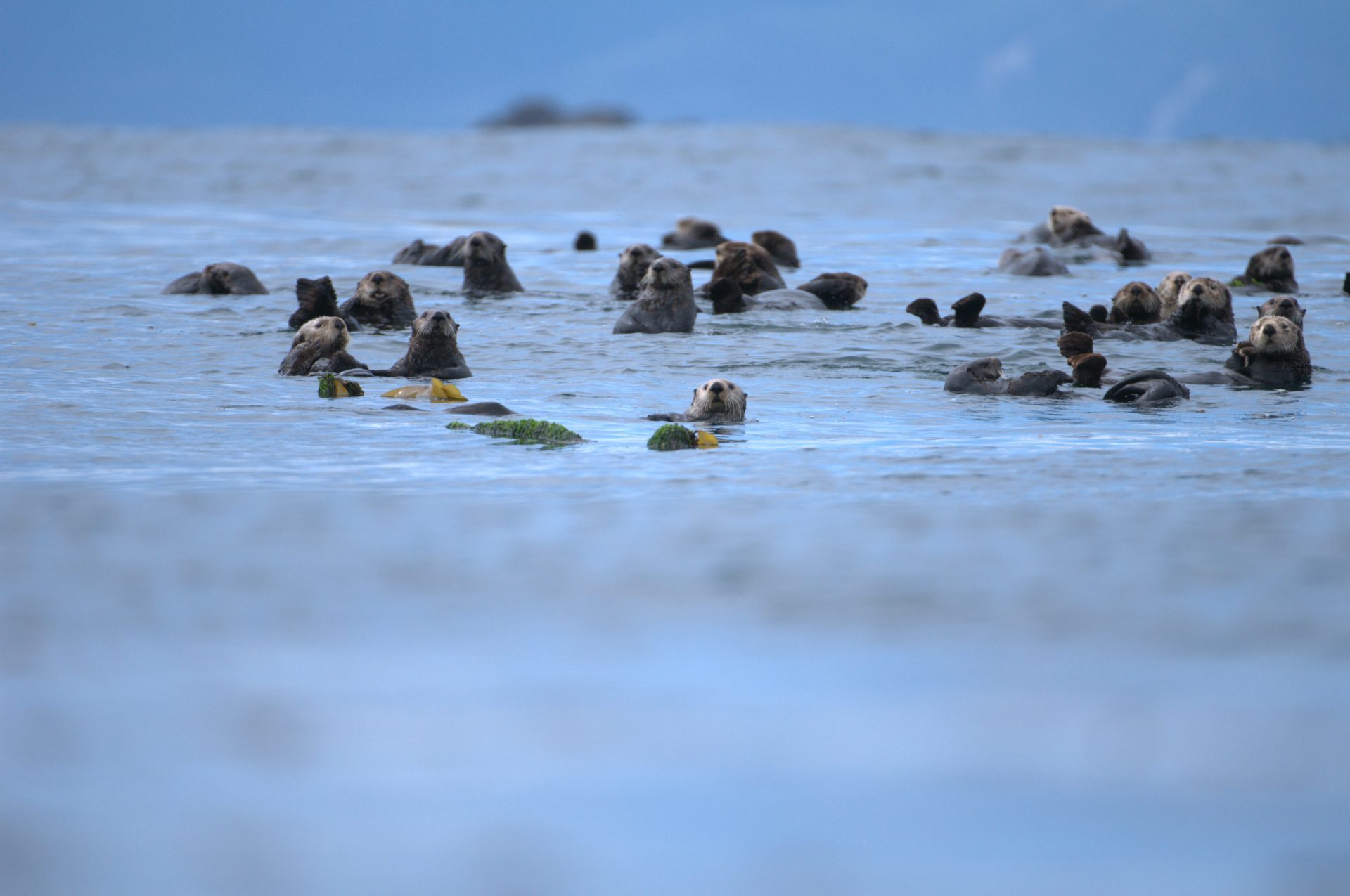
Otters’ charm and playful nature have long won over public perception, but a new study reveals there’s more to the charismatic mammal than meets the eye. They also serve as “living sensors”, providing crucial information about coastal ecosystem decay.
Conservation organisation Projeto Lontra have been monitoring the Neotropical otter (Lontra longicaudis) along the southern coast of Brazil for 40 years. After synthesising this long-term data, they found that otters are the first animal to show signs of polluted waterways and broken food webs.
“Their very presence, or absence, tells a story,” said Dr Oldemar de Oliveira Carvalho, one of the authors of the study.
Otters sit at the top of the food chain, with a diet consisting of 70-80% fish, as well as crabs and other aquatic animals, meaning they act as a living record of the health of the entire ecosystem.
Otter scat – excrement which marks their territory – therefore acts as a biological hard drive, and by analysing it, researchers can build up a picture of what exact pollutants are moving through estuaries.
For instance, the researchers found microplastic fibers in otter droppings from protected lagoons. Strikingly, the study also found that 66% of otters tested positive for Toxoplasma gondii, a parasite shed only by domestic cats. This suggests this land-based pathogen has made its way into the aquatic food chain through rain washing cat faeces from streets, gardens, and informal settlements into rivers and lagoons.
Both instances highlight how, even within protected areas, otters – and by extension their aquatic habitats – are exposed to threats originating far inland.

In other news

Researchers believe the finding underscores that effective estuary management must be watershed-wide, and include responsible pet ownership, sewage control, and green infrastructure.
The research also highlights what they term a critical “Tropical Knowledge Gap”. Some 70% of global otter research focuses on temperate species like the Eurasian or sea otter. The Neotropical otter receives less than 4% of scientific attention – despite inhabiting the world’s most biodiverse and threatened estuaries.
“Without focused research, we risk managing these ecosystems with tools designed for entirely different environments,” explains Carvalho.
In response to these findings, the team is finalising the Otter Health Index (OHI). This low-cost toolkit is designed for municipalities and NGOs to monitor estuarine health using simple metrics like habitat connectivity and contaminant screening, allowing for better monitoring in areas with limited labs but rich in ecological insight.
“Protecting otters isn’t just about saving a species,” said Carvalho, “It’s about safeguarding the intricate web of processes that sustain clean water, fisheries, flood resilience, and human well-being.”
“If we listen to what the otters are telling us, we’ll know exactly what these ecosystems need to survive,” he added.
Click here to find out more from the Oceanographic Newsroom


"*" indicates required fields
Printed editions
Current issue
Back issues


Enjoy so much more from Oceanographic Magazine by becoming a subscriber.
A range of subscription options are available.
