Papua New Guinea announces largest MPA in its history
Papua New Guinea has declared a UK-sized no-take marine protected area in the Bismarck Sea, forming part of a new regional conservation network and advancing its commitment to protecting 30% of its waters by 2030.
Papua New Guinea has detailed its plans to protect approximately 200,000 km² of Pacific Ocean waters – an area roughly the size of the United Kingdom – from fishing and all other destructive human activity.
Revealed at the inaugural Melanesian Ocean Summit in Port Moresby earlier this week, the Western Manus Marine Protected Area will form part of the newly established Melanesian Ocean Corridor of Reserves (MOCOR), a network of national and jointly managed protected areas spanning Fiji, Vanuatu, and Papua New Guinea.
Situated in the Bismarck Sea and designated as strictly “no take,” the reserve will prohibit all fishing within its boundaries – a bold commitment from a nation that has emerged as one of the Pacific’s most ambitious voices in ocean conservation.
Papua New Guinea sits within the Coral Triangle, the recognised global epicentre of marine biodiversity, where the Pacific and Indian Oceans meet. Its waters have yielded surveys documenting more than 700 reef fish taxa, over 300 species of hard coral, and deep-sea ecosystems that remain, in large part, entirely unexplored. The Western Manus region is no exception, defined as it is by underwater mountains, ridges, and canyons that form what scientists describe as a ‘marine highway’ connecting shallow reef systems to the deep ocean below.
“Papua New Guinea is one of the most biodiverse places on the planet,” said Jelta Wong, minister of the country’s National Fisheries Authority. “Establishing the Western Manus Marine Protected Area will allow us to preserve and protect our ecological legacy and, at the same time, ensure that our ocean continues to provide people with what we need – food and a source of income.”
The announcement draws on a substantial body of scientific work. In 2024, National Geographic Pristine Seas launched a three-month expedition in partnership with PNG’s Conservation and Environment Protection Authority (CEPA) and the Wildlife Conservation Society, documenting both the vitality and the vulnerability of the country’s remote waters. The team found thriving coral systems alongside warning signs: low shark numbers, an indicator of overfishing pressure, and deep-sea species – among them the colossal yokozuna slickhead – never before recorded in PNG waters.
“At a time when coral reefs are in crisis, it’s exciting to see the Western Islands still shimmering with healthy corals and schools of fish like wahoo, rainbow runners and jacks,” said Lindsay Young, vice president of research at Pristine Seas. “This is not just a beautiful place, it’s a highly connected system, where shallow reefs, deep-sea habitats and open ocean waters are linked, supporting species that move across them.
“Although these reefs are among the healthiest in the Pacific, they are increasingly under threat from global warming, overfishing and plastic pollution. The new MPA comes at a critical juncture to protect these connections and ensure the long-term health of the ocean and the communities that depend on it.”

In other news

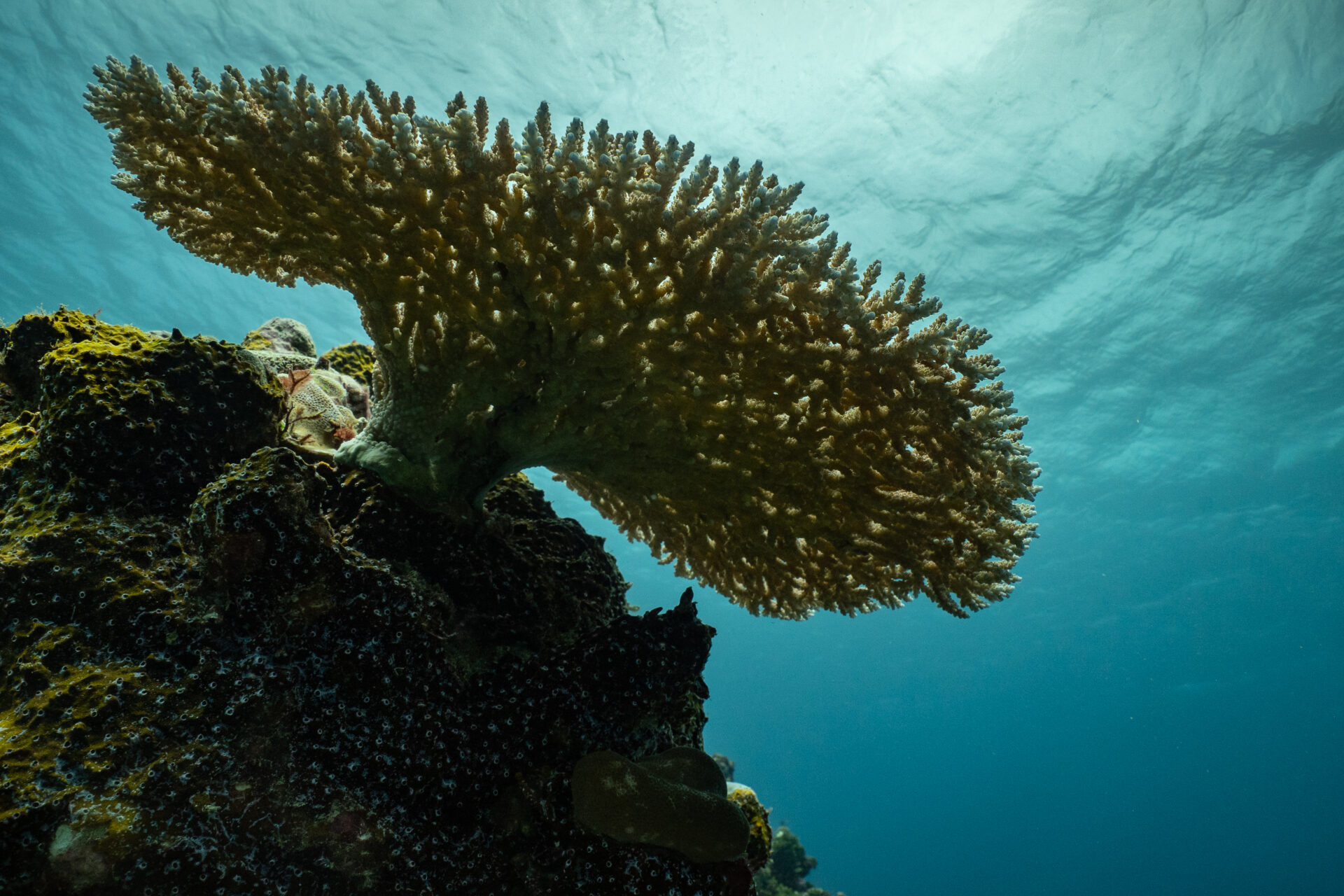
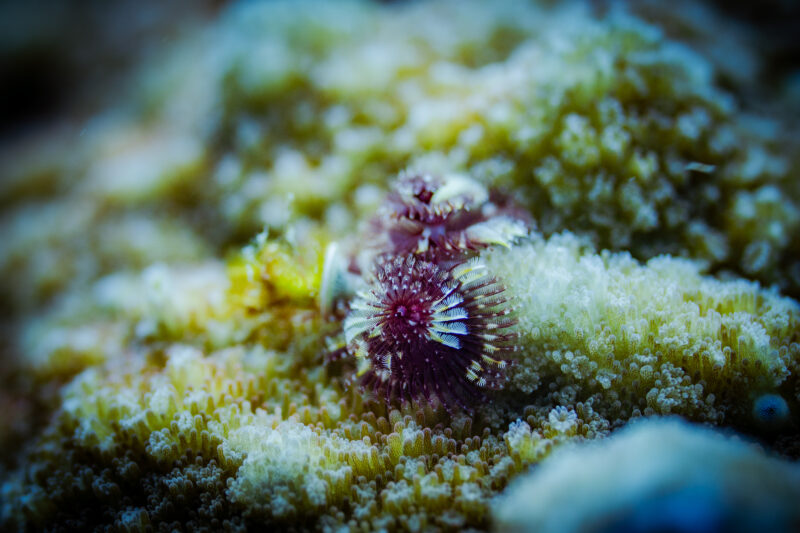
To define the MPA’s boundaries, scientists tracked endangered grey reef sharks as they moved between shallow and deep-water habitats – but the protected zone was designed to reach far beyond their range alone, accounting also for wide-ranging seabirds that can travel more than 200 nautical miles from nesting sites in search of food.
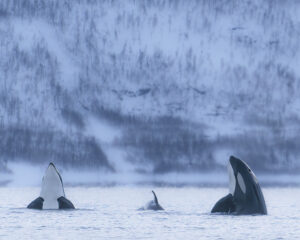
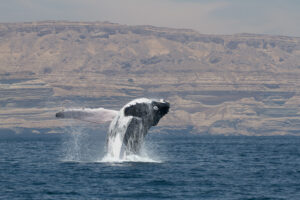
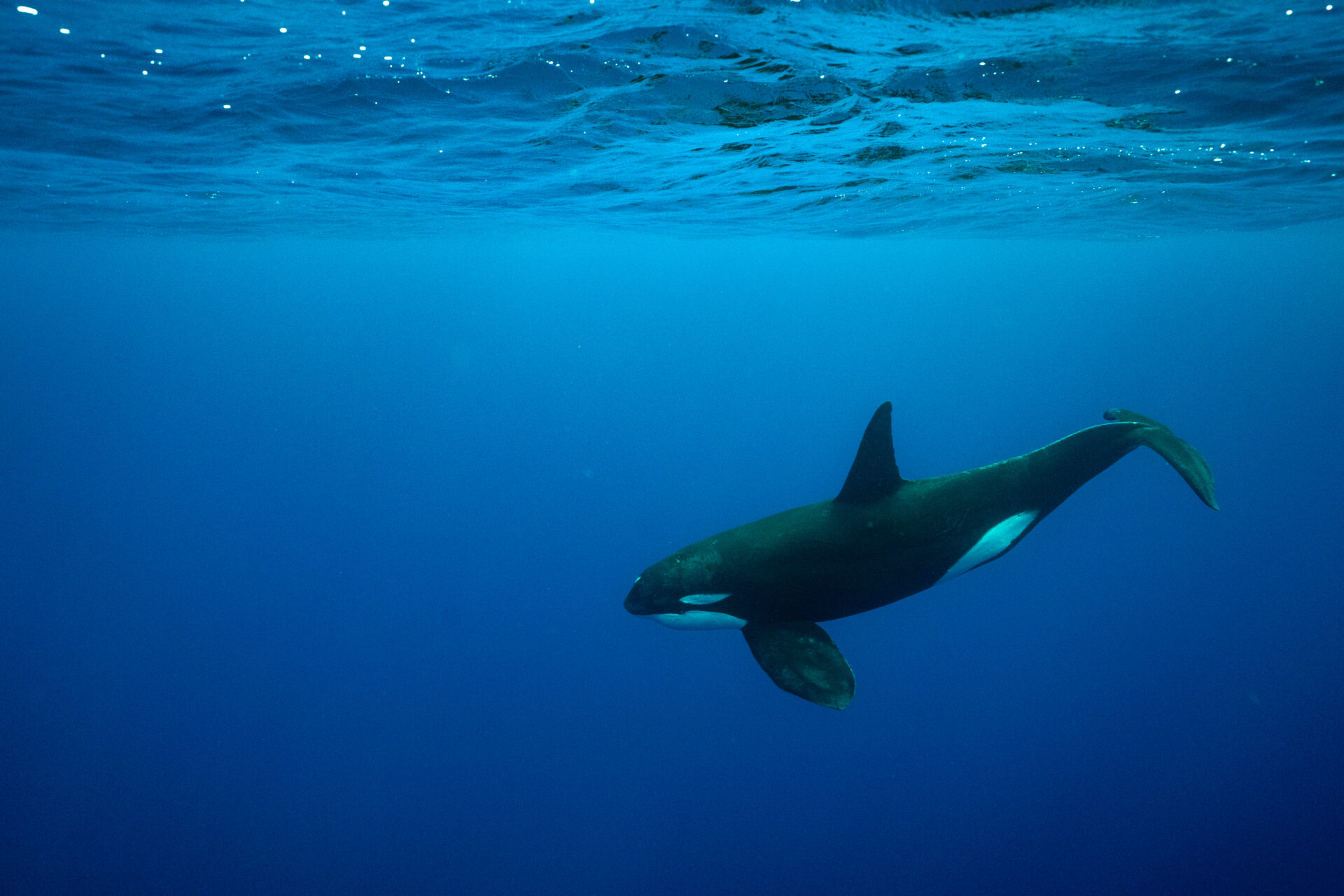
The sanctuary will shelter an extraordinary breadth of life: scalloped hammerhead and silky sharks, spinner and bottlenose dolphins, Cuvier’s beaked whales, killer whales that return to the area seasonally, and deep-sea species whose existence in these waters is only beginning to be understood.
The MPA covers an area currently accounting for 6.7% of PNG’s industrial fishing and 10% of its industrial tuna fishing. Yet the government is confident the designation will not harm the fishing economy. Research from comparable large-scale MPAs across the Pacific and Indian Oceans shows tuna catch rates increasing by an average of 12 to 18% near protected area boundaries – the result of spillover, as thriving ecosystems replenish fish stocks in adjacent waters.
“We take our commitment to protect 30% of our waters by 2030 very seriously, and this new MPA brings us one large step closer to that goal – in addition to ensuring environmental sustainability for present and future generations,” said Yvonne Tio, executive manager at CEPA.
“Our rigorous process for researching and designating which areas to prioritise for protection always puts communities first. We’re excited to announce the Western Manus Marine Protected Area so that people in PNG and worldwide can benefit.”
For those whose identity is bound to these waters, the announcement carries a meaning that transcends policy.
“Our ancestors have always lived in harmony with the sea, but today, we are writing a new chapter for our children,” said Powes Parkop, governor of the National Capital District, who grew up in Manus Province. “To see the waters of Western Manus recognised as the largest marine protected area in Papua New Guinea fills my heart with a profound sense of Lapan pride. We aren’t just protecting fish or coral; we are safeguarding our identity.
“By standing as the guardians of this sanctuary, our province is showing the rest of the world that we have the strength to preserve our ‘blue heritage’ while ensuring our reefs remain vibrant and full of life for generations to come. This is more than a sanctuary; it is our legacy.”
The announcement was made before more than 500 delegates gathered at the Melanesian Ocean Summit – the first of its kind – where leaders from Papua New Guinea, Fiji, Solomon Islands, New Caledonia, and Vanuatu have convened to address the ocean challenges facing their region.
PNG’s government will now begin the formal national process for the MPA’s legal designation.


"*" indicates required fields
Printed editions
Current issue
Back issues
Enjoy so much more from Oceanographic Magazine by becoming a subscriber.
A range of subscription options are available.
