Emperor penguins caught in Antarctic geopolitical crossfire
As Hiroshima hosts the 48th Antarctic Summit, newly endangered emperor penguins face a diplomatic deadlock fueled by massive oil discoveries and record-breaking tourism numbers.
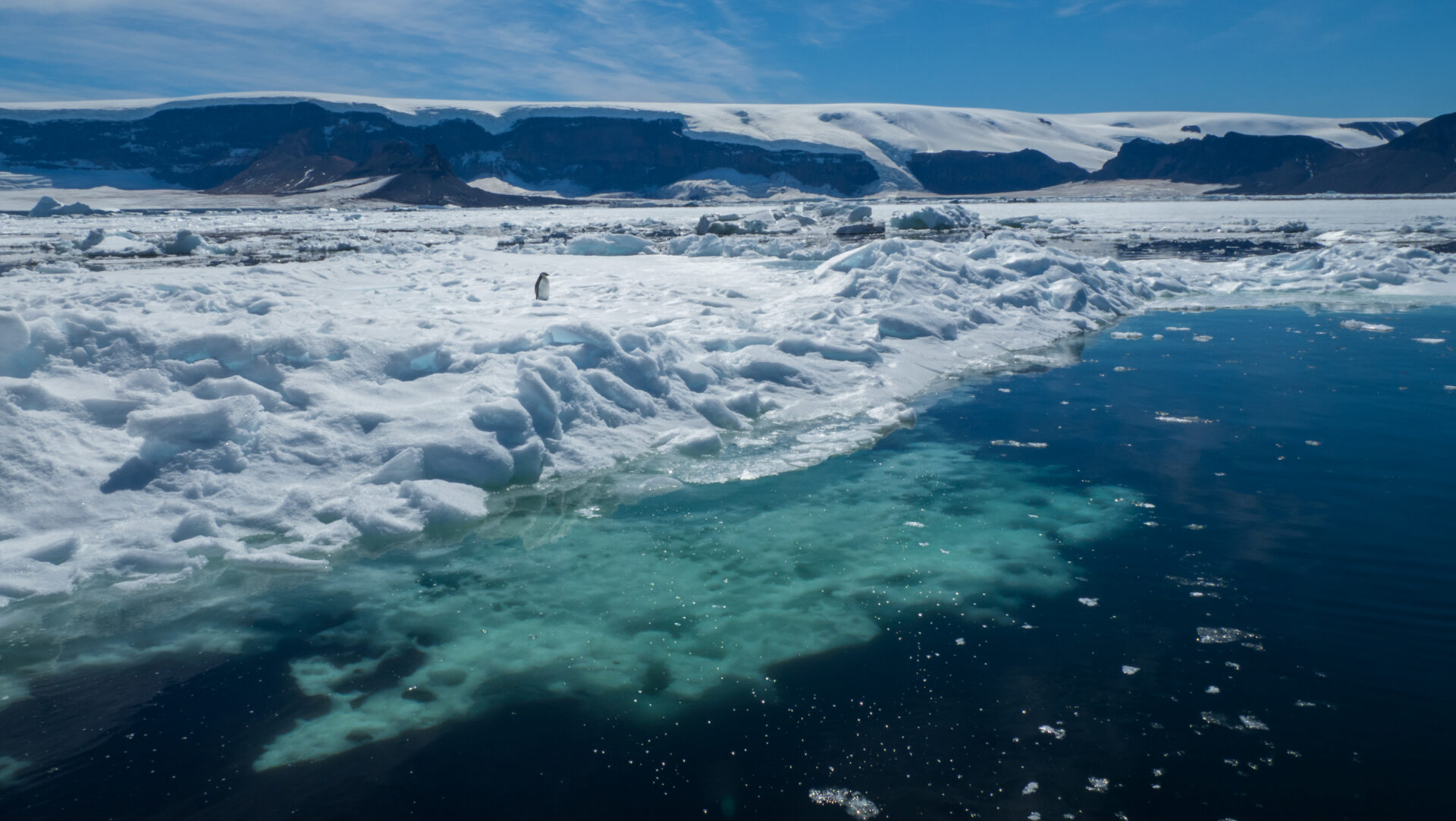
With emperor penguins officially reclassified as Endangered just last month, the 48th Antarctic Summit opened in Hiroshima yesterday amid a backdrop of increasing scientific urgency and growing geopolitical tensions.
The 48th Antarctic Summit – held this year in Hiroshima, Japan – brings together 29 nations to ensure the continent remains a “natural reserve, devoted to peace and science.”
But as the continent thaws this tenet is coming under threat, particularly as geopolitical tensions between actors like the US, China and Russia increase.
Just last month, a Russian vessel conducted a seismic survey in the Weddell Sea, revealing a staggering 511 billion barrels of oil – roughly double the known reserves of Saudi Arabia.
The Southern Ocean’s 500 million tons of krill biomass, and the massive deposits of iron ore, coal, and precious metals now being revealed by melting Antarctic glaciers, are sharpening diplomatic tensions round the table.
Japanese State Minister Ayano Kunimitsu opened the session with a pointed speech, calling for “determination” to cooperate despite “escalating divisions.”
Emperor penguins, whose populations have suffered a sharp and sudden decline in the last year, are finding themselves – and the future success of their population – in the crossfire of these tensions.
A proposal has been put forward to enact a specially protected species status for Emperor Penguins, which would trigger mandatory “Action Plans” for all nations, including strict no-go zones.
Under the unique rules of the Antarctic Treaty, any major conservation effort – such as the “Specially Protected Species” status – requires unanimous consent from all 29 consultative parties. This means a single nation can exercise a “veto” over the survival of a species. If just one country says no, the penguins remain without international protection.
In other news



Historically China and Russia have been the primary blockers of enacting this special protection, citing “scientific uncertainty”, although diplomats in Hiroshima have suggested the move is more politically strategic.
Vetoing special protections for the Emperor Penguin also stops the automatic trigger of Marine Protected Areas (MPAs), and “no-go zones” which would block access to lucrative krill fisheries and complicate future energy exploration.
The bounty of natural resources ready for exploitation is not the only factor complicating the protection of the species, increasing tourism on the continent is also putting the penguins in jeopardy.
Just last year Antarctica saw 120,000 visitors, up nearly 50% compared to just two years ago, cementing a trend of mass visitation that has now remained above the 100,000-mark for three consecutive seasons.
Increased tourism to the area also increases the amount of noise marine life is subjected to: from helicopters, speed boats and large vessels, to human chatter disrupting nesting sites.
Chile, the US, Norway and Argentina all benefit from the Antarctic tourism boom: 50% of all tourists are American, and Argentina and Chile are doubling down on billion-dollar port expansions.
Experts warn existing frameworks do not take into account the increasing diversity of touristic activity in the region, including activities like kayaking, hot air ballooning and motorbiking.
“These icons on ice may well be heading down the slippery slope towards extinction by the end of this century unless we act now,” WWF’s chief advisor for polar and oceans, Rod Downie, said in a statement.
Ambassador Hideki Uyama (Japan) dampened expectations in a press briefing, stating it is “too early to say” if tangible progress will be made, and that any wins will likely be “step by step” rather than a sweeping victory.


"*" indicates required fields
Printed editions
Current issue
Back issues
Enjoy so much more from Oceanographic Magazine by becoming a subscriber.
A range of subscription options are available.
