Record humpback sightings build case for stronger protections
Unprecedented sightings at the little-studied Navidad Bank are set to be presented to the International Whaling Commission as evidence for stronger protections in the region
An expedition in the Dominican Republic’s waters have documented 513 humpback whale sightings in a single day, establishing the area as one of the world’s most important breeding grounds identified to date.
A multi-disciplinary team of scientists from Fundación Puntacana and Fundación Dominicana de Estudios Marinos made the sightings while aboard the vessel Solace in the Navidad Bank: a shallow submerged coral bank located 100 kilometres off the coast of the Dominican Republic.
EYOS expeditions, a super yacht expedition organisation, facilitated the expedition in partnership with Yachts for Science, an ocean research initiative.
Despite its reputation as a critical winter nursery for North Atlantic humpbacks, Navidad Bank has remained the least-studied area within the Marine Mammal Sanctuary of Bancos de la Plata y la Navidad.
This evidence provides new data of never-seen-before humpback whale density and will therefore be presented to the International Whaling Commission (IWC), to corroborate the case for better whale protections in the region.
In other news
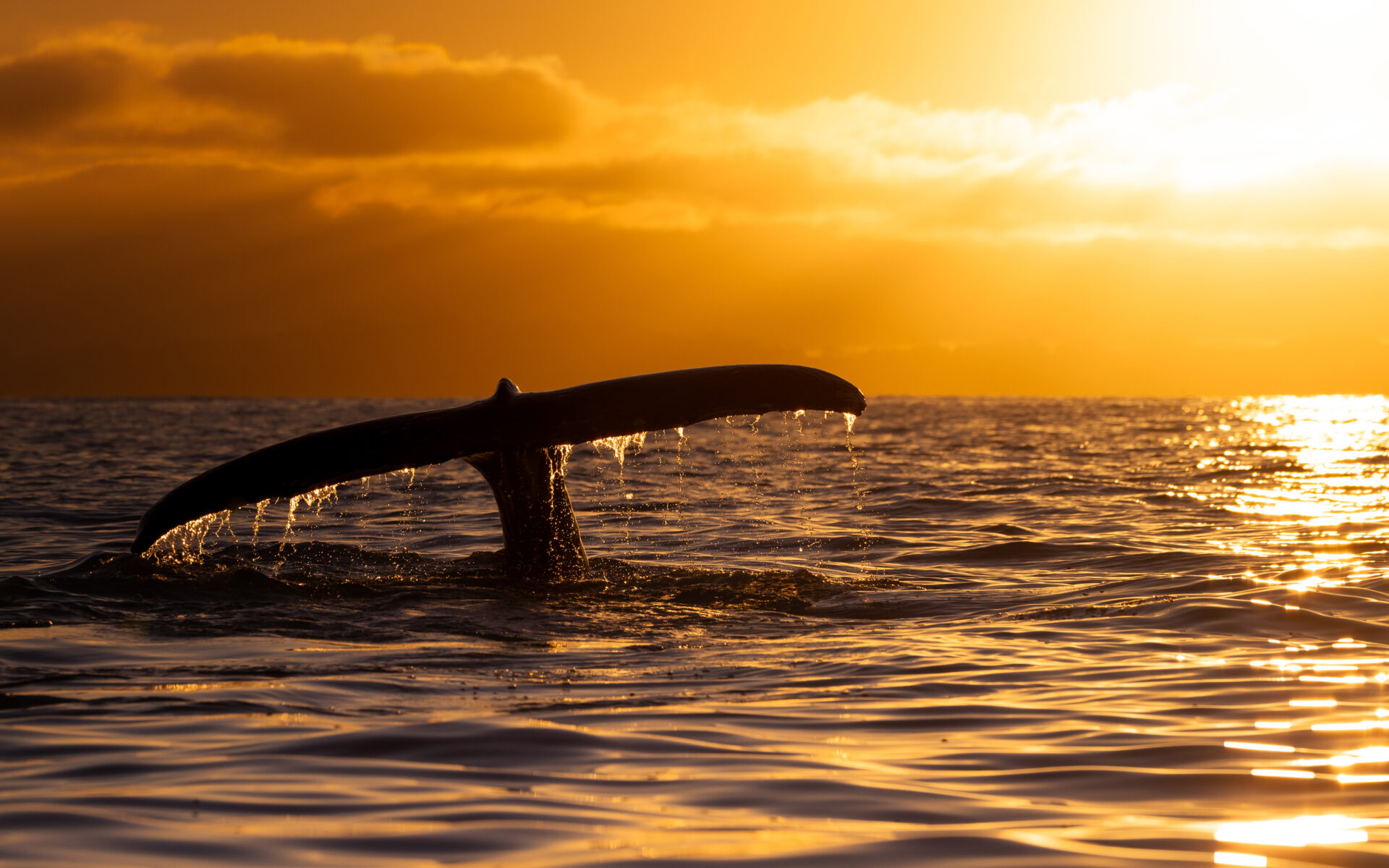
The team and EYOS said their findings in the region support the Biodiversity Framework’s goal of protecting 30% of oceans by 2030, and that the expedition serves as a powerful proof of concept that Protected Marine Areas are essential engines for wildlife population recovery.
“This is an extraordinary testament to the power of long-term marine conservation,” said Jonathan Delance, Chief Conservation Officer, Dominican Republic Ministry of Environment and Natural Resources.
“Decades of conservation have allowed humpback whales to thrive in Dominican waters, and the density documented at Navidad Bank underscores the global importance of creating a sanctuary for our treasured marine life,” he added.


"*" indicates required fields
Printed editions
Current issue
Back issues
Enjoy so much more from Oceanographic Magazine by becoming a subscriber.
A range of subscription options are available.
