Retired Thames barges given new lease of life – in seabird conservation
Old Thames barges have been sunk in an estuary to reduce erosion, protect salt marshes, and create a new habitat for sea birds, in a pioneering engineering project led by the National Trust
Three decommissioned Thames barges have been sunk in an Essex Estuary to create a new island habitat, which is set to help protect some of the UK’s most threatened seabirds.
The three boats, roughly 20 to 32 metres long, were filled with up to 8000-square-metres of sediment to create a stable structure on the Blackwater Estuary, between Maldon and West Mersea in Essex.
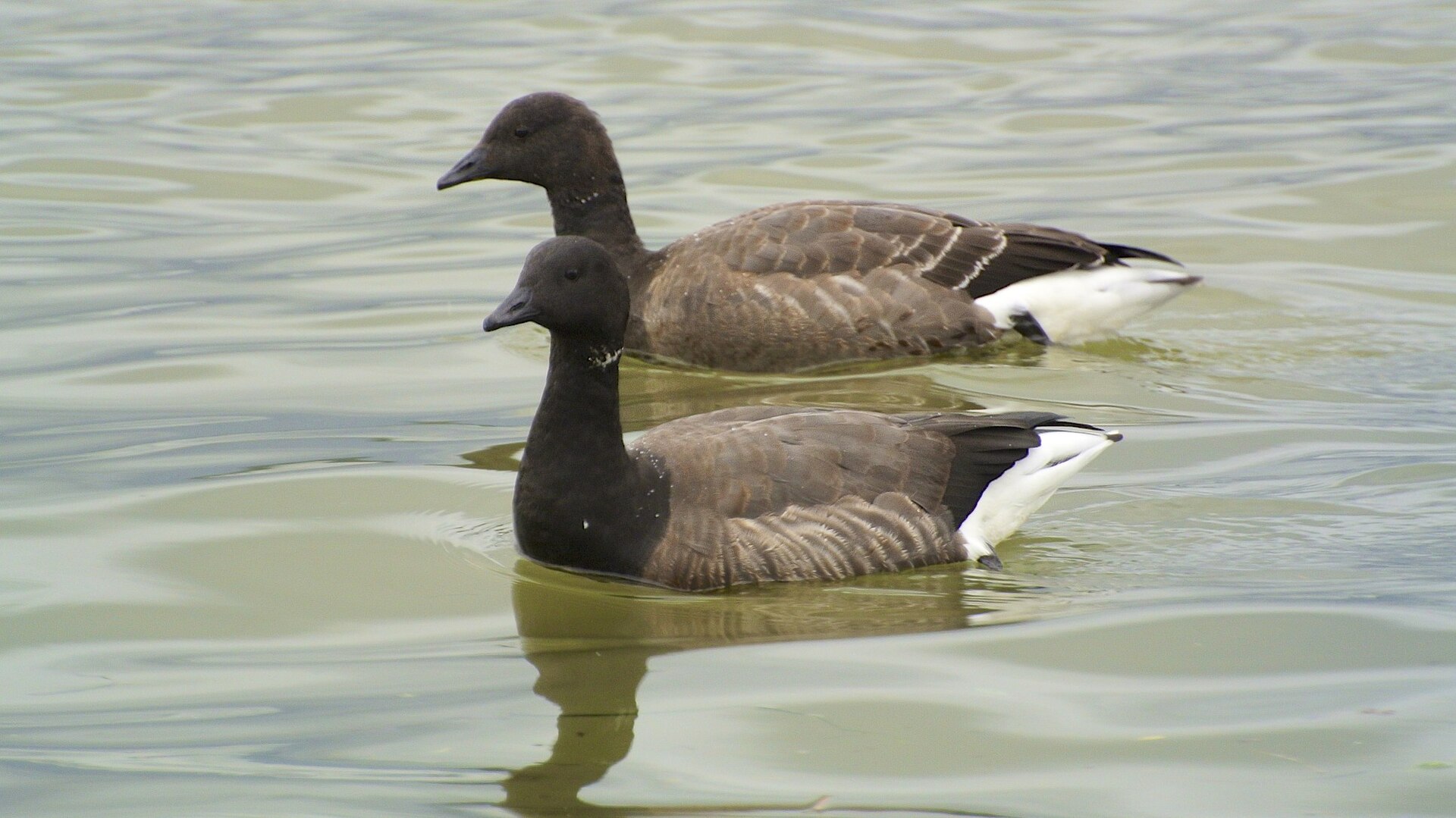
This will provide a long-term habitat for red-listed birds like the dunlin, curlew, lapwing and ringed plover, as well as vulnerable seabirds like little terns and avocets. The estuary is also home to around one tenth of the UK’s Brent geese population.
A first of its kind for the UK, the project is just the latest in a series of initiatives from the National Trust to trial innovative, nature-based solutions to protect Northey Island – a spot known for its rich wildlife, its saltmarshes, and its historical significance – against rising sea levels and the rapid loss of its saltmarsh.
Matt Wilson, Countryside Manager for the National Trust, said: “As the tide comes into the estuary, the force of the water erodes the saltmarsh which acts as a natural flood defence, massively impacting the wildlife that depends on it.”
“Saltmarsh is one of the biggest natural carbon stores in our marine landscape,’ he added, “by sheltering the marsh from wave energy, the new island will also help us slow erosion and protect this precious habitat.”

In other news
Once the work is complete, the island will add 1.4 acres of new habitat – almost the size of a football pitch – within the Blackwater Estuary, one of the most ecologically important wetland systems in the UK.
Dating back to the 1950s, these barges played a fundamental role in the transportation of coal and food from the Port of London to Essex. They have been retired for 30 years, and this new project marks the beginning of their second life as a key part of conservation efforts.
Matt Wilson, Countryside Manager for the National Trust, said: “The new island will provide a refuge for birds above the highest tides and away from disturbance on shore, acting as a lifeline for birds that are running out of safe spaces to nest and rest.”
He added: “Depending on the time of year, the different birds we hope to see include oystercatchers, Brent geese, redshank and curlew.”
Nigel Cardy of Landbreach Ltd, the specialist contractors carrying out the engineering work, said: “I have been working on the river for more than 50 years and been involved in some interesting jobs, but this one is a bit special as it ticks so many boxes: it makes good use of the old barges, helps keep the channel clear in the Maldon Harbour area and also creates a new habitat for the birds in the estuary which is good to see.”
“It is nice to be involved in such an interesting project that benefits wildlife and people in the local area,” he added.


"*" indicates required fields
Printed editions
Current issue
Back issues


Enjoy so much more from Oceanographic Magazine by becoming a subscriber.
A range of subscription options are available.
