Robinson Crusoe and Chincha Norte join healthy ocean challenge
The two islands have joined the Island-Ocean Connection Challenge, highlighting the importance of holistically restoring island ecosystems to which produces dramatic results for native plants and animals, the ocean, and island and coastal communities.

The Chilean island of Robinson Crusoe in the Juan Fernandez Archipelago and Chincha Norte in the Guano Islands of Peru have joined the ambitious Island-Ocean Connection Challenge, an international conservation challenge to restore and rewild 40 globally significant island-ocean ecosystems by 2030.
The two islands joined the mission – one led by Island Conservation, Re:wild, and UC San Diego’s Scripps Institution of Oceanography – over the course of the United Nations Ocean Conference in Nice earlier this month, bringing the total number of islands to 22.
The Island-Ocean Connection Challenge highlights the importance of holistically restoring island ecosystems, which produces dramatic results for native plants and animals, the ocean, and island and coastal communities. The organisation believes that in adding these important islands to the IOCC, restoration and rewilding communities across Latin American are growing better united to have an “even greater impact” and will be bolstered by the new Chilean Marine Protected Area where one of these islands resides.
During UNOC, Chile announced it will be expanding the Juan Fernández’s MPA by adding a further 350,000 square kilometres (135,135 square miles) of ocean protection.
Dr. Penny Becker, CEO of Island Conservation, said: “This is an historic effort by local island and coastal communities to be leaders in the restoration and rewilding of their islands. We are grateful for the opportunity to partner with them and support their vision for healthy, thriving island-ocean ecosystems.”
Research shows that islands populated with seabirds and free of invasive species can have up to 50% more fish biomass and recover from bleaching events up to four times faster. Robust marine environments are essential for building climate resilience and sustaining island communities that rely on these natural resources.
Dr. Stuart Sandin, Biological Oceanography Professor at Scripps Institution of Oceanography, said: “Restoring these islands is expected to significantly benefit the surrounding marine environment. Seabirds play a crucial role in restoring nutrient flow from land to sea through their guano, which enriches the soil and enhances near-shore marine environments.”
In other news
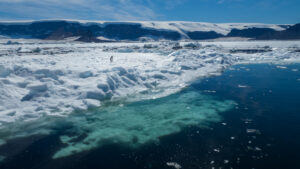
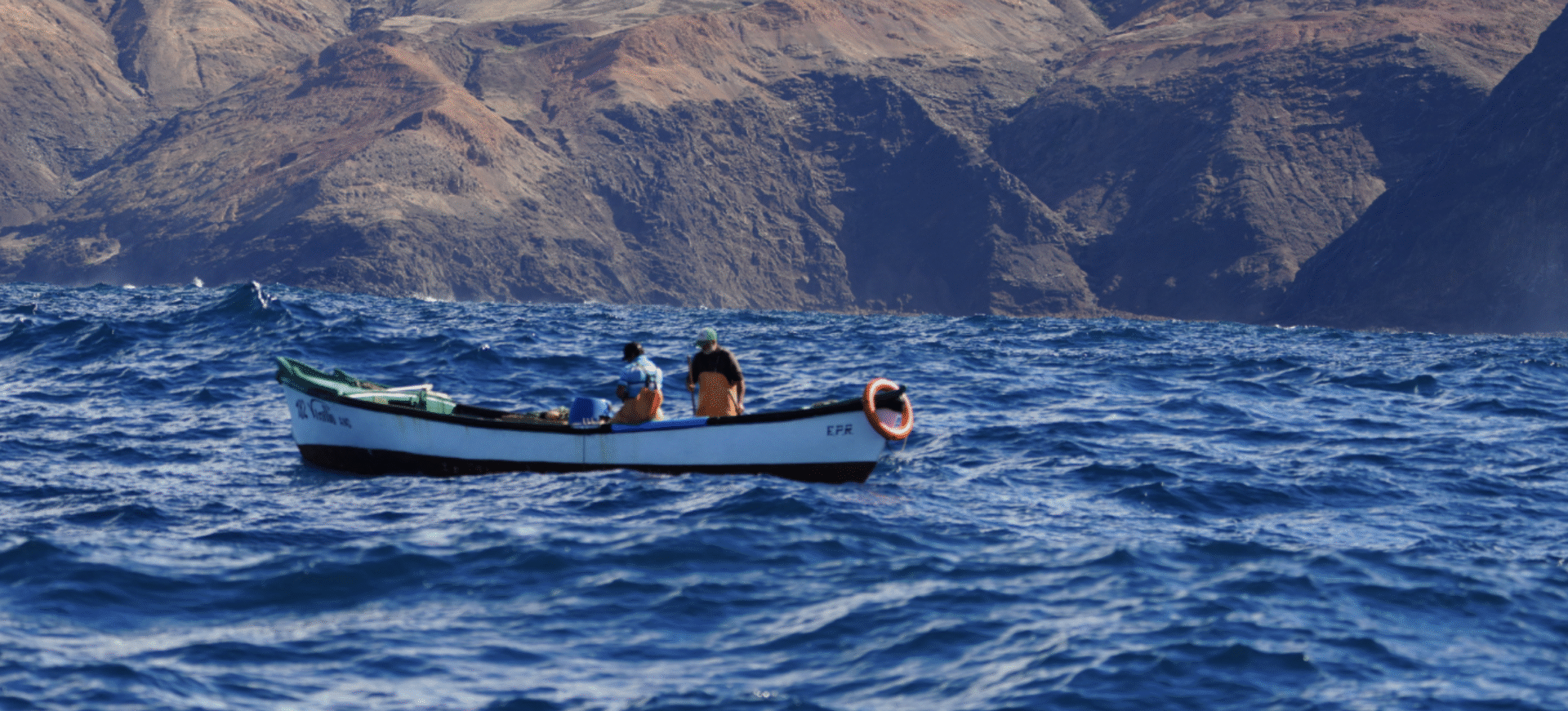
Part of the Juan Fernández Archipelago, Robinson Crusoe Island hosts more endemic species than the Galápagos. With an area of approximately 47.94 square kilometres (about half the area of Manhattan), it features rugged terrain with steep cliffs and dense forests. The coastal benthic communities surrounding the island are diverse, harbouring a wide variety of species such as the Juan Fernández lobster and the Juan Fernández fur seal.
Meanwhile, among the island’s endemic species are the critically endangered Juan Fernández Firecrown hummingbird and the Pink-footed Shearwater. As part of their commitment, community members seek to restore and rewild the island by removing invasive predators for the benefit of the island’s health, the ocean, and their own community.
Julio Chamorro, the Head of Robinson Crusoe’s Sea Council, said: “This is a dream that came from our ancient ancestors, who started with the knowledge of conservation. What we’re doing is for our ancestors, for ourselves, for our children, and for those who have not been born yet.”
Chincha Norte, meanwhile, is a guano island and the largest of the Chincha Islands measuring approximately 1.3 kilometres in length and one kilometre in width. Composed primarily of granite, the island features steep cliffs and is known for its extensive guano deposits; the result of historically large concentrations of seabird populations.
The surrounding waters are rich in marine life, including various species of fish and invertebrates, and host numerous seabird species such as cormorants, pelicans, and gannets. Unfortunately, bird populations on the island have declined by 90% in recent years due to the combined impacts of El Niño events and avian influenza.
As part of its commitment to biodiversity, the Government of Peru plans to use the restoration of Chincha Norte as a pilot case to evaluate the potential recovery of other historic guano islands.
Jose Luis Cabello, Island Conservation’s Head of Operations in Latin America, said: “The Chincha Islands, and especially Chincha Norte, embody a unique convergence of Peru’s natural richness and its historical legacy.
“These islands were once at the heart of Peru’s guano industry, a global symbol of the country’s marine productivity and island ecosystems. Today, their restoration is not only a matter of ecological importance but also a commitment to preserving a cultural and environmental treasure for future generations.
“By revitalizing Chincha Norte, we protect breeding habitats for seabirds, support marine biodiversity, and honour the deep-rooted connection between the Peruvian people and their coastal heritage.”


"*" indicates required fields
Printed editions
Current issue
Back issues


Enjoy so much more from Oceanographic Magazine by becoming a subscriber.
A range of subscription options are available.
