Seagrass bounces back in Cairns, but fish populations are changed
Seagrass meadows off Cairns have recovered to pre-flood levels after a 98% collapse, but a 34-year study shows the fish living in them have reorganised into a different community.
Seagrass meadows off Cairns in tropical Queensland have recovered to pre-flood levels after a near-total collapse, but the fish community living in them has reorganised and is recovering along a different path, new research has found.
Seagrasses are flowering plants that thrive in marine environments and form extensive meadows along the Queensland coast. A series of severe weather events between 2009 and 2011, including major flooding and Cyclone Yasi, caused increased turbidity and prolonged poor water quality, contributing to widespread seagrass loss.
“The seagrass meadows in Cairns are an extremely important ecosystem. They provide a fish nursery habitat for young fish and prawns, providing protection from predation and places to forage,” JCU PhD candidate Darcy Philpott, who led the research, said.
“Following those severe weather events, there was a 98% decline in intertidal seagrass meadow area, accompanied by dramatic declines in both fish abundance (84%) and species richness (73%),” Ms Philpott said.
Even after that almost complete collapse, both seagrass biomass and seagrass area have now bounced back to the values recorded before the flooding. Fish numbers and diversity have returned too.
“We also saw a return in fish abundance and species richness – both the number of fish being caught and the number of different species present,” she said.

In other news

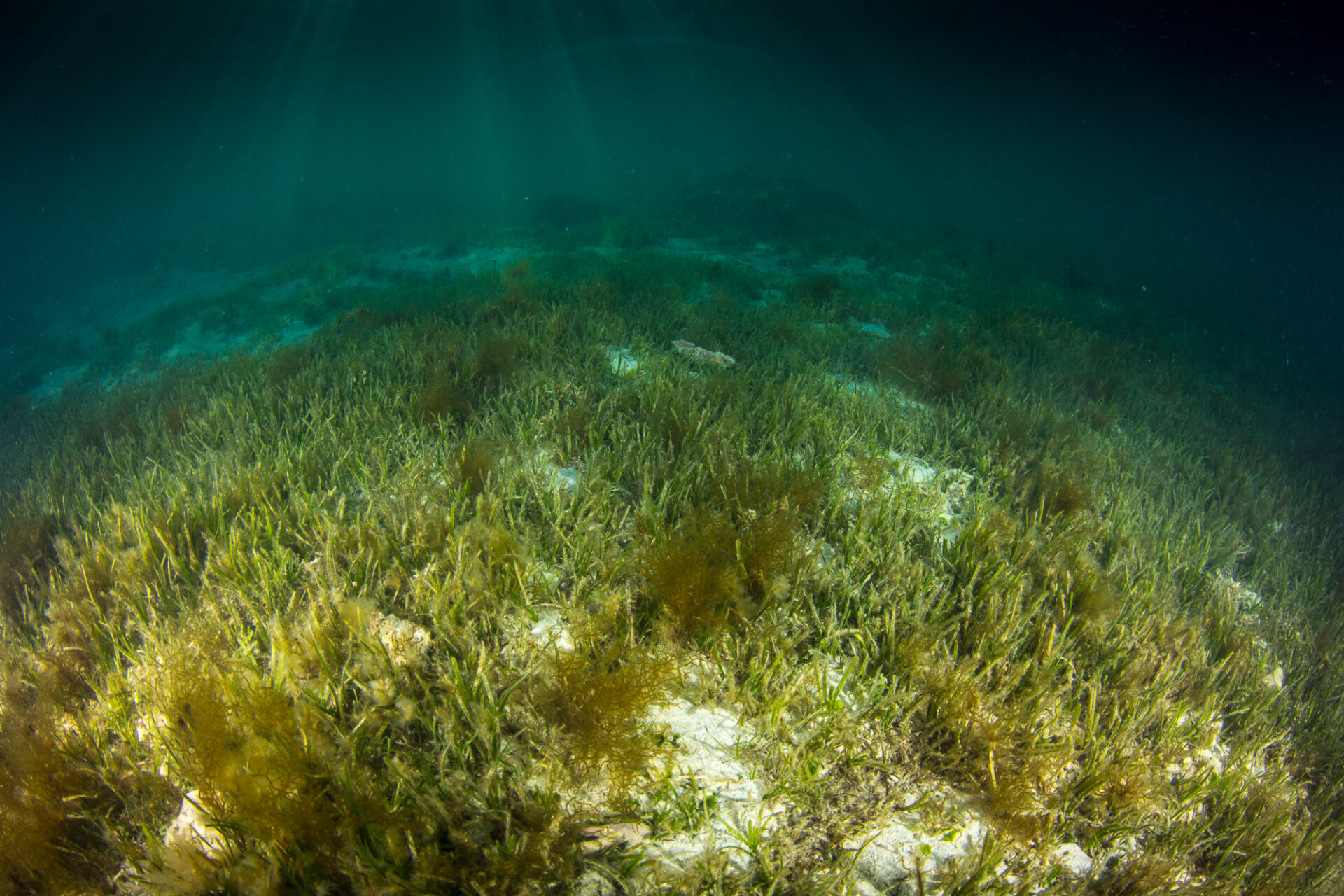
When the researchers looked at the composition of the fish assemblage, however, they found that the recovered meadows supported a different mix of species. Fish such as the Silver Javelin (Pomadasys argenteus) became more prevalent in the recovered meadows, while Pikey Bream (Acanthopagrus berda) were more abundant before the flooding.
“It wasn’t simply a return to the same fish community that was there before,” Ms Philpott said.
“Fish abundance and species richness have recovered strongly, but the community itself has reorganised and is recovering along a different trajectory.”
The research, published in the journal Estuarine, Coastal and Shelf Science, drew on a 34-year dataset spanning 1991 to 2025. It combines long-term fish surveys with records of seagrass condition, capturing fish communities before the disturbance, after the major seagrass decline and during the subsequent recovery.
“You need long-term datasets like this to really understand how fish communities respond to major habitat disturbance and subsequent recovery,” Dr Robert Coles – who was one of the study’s co-authors and part of the original team that began surveying Cairns’ seagrass meadows fish communities in the 1990s – said.
“Survey records spanning more than three decades are incredibly rare. By using consistent methods across that period, we’ve been able to directly compare the fish communities before the disturbance, after the seagrass loss and as the meadows recovered.
“Across those surveys we collected more than 11,000 individual animals representing 190 species, giving us a unique picture of how the fish community has changed over time.”
For Ms Philpott, the lesson is that a recovered habitat does not guarantee a restored ecosystem.
“Our research shows that recovery is complicated … the habitat may recover and fish may return, but that doesn’t necessarily mean you get exactly the same ecological community coming back,” Ms Philpott said.
The research was supported through a scholarship from North Queensland Bulk Ports Corporation. The findings will help improve understanding of seagrass-associated fish communities in Queensland port environments.


"*" indicates required fields
