Seabirds key to reliable ocean mercury tracking
From albatrosses to shearwaters, seabirds accumulate mercury as they feed, and a new study finds them to be a novel and reliable way of monitoring levels of the toxic element
Seabirds offer a novel and more accurate way to measure mercury levels in different parts of the ocean, according to a new international study by Nagoya University published in Science of the Total Environment.
Mercury levels in the ocean have increased since the industrial revolution, largely caused by increased mercury in the atmosphere through coal combustion. The toxic element travels long distances by wind, and enters the ocean through rainfall.
In the ocean, some mercury becomes highly toxic and bioaccumulates in the food chain, ultimately concentrating in the tissues of seabirds that consume fish and zooplankton.
Between 2017 and 2024, researchers collected blood samples from 659 individuals representing 10 seabird species at breeding sites in Japan, Alaska, and New Zealand. They also conducted a systematic review of 106 publications from 1980 to 2025, with over 80% published after 2010, and analysed data on more than 10,556 adults representing 105 seabird species.
Their analysis found higher mercury levels in seabirds at the top of the food chain, with a larger body mass and those that fed on prey from depths between 200 and 1,000 metres.
Mercury levels were higher in the North Atlantic, North Pacific, in the colder waters of the South Pacific ocean, and in areas with low productivity. Mercury levels however, were much lower in the South Atlantic and Southern Oceans.
The study also found that albatrosses and shearwaters are more exposed to mercury than other seabird species.

In other news

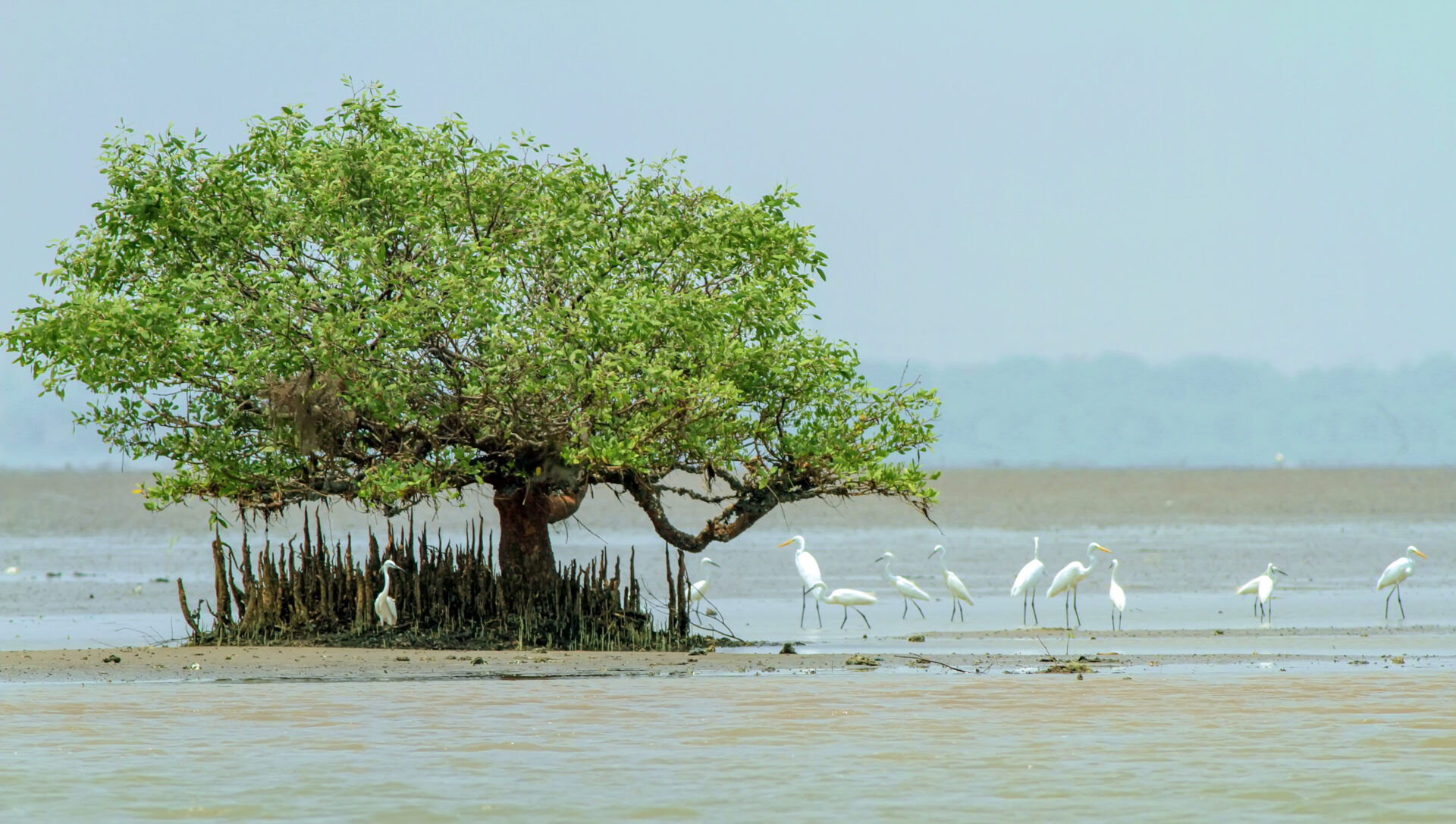
The method of collecting mercury data, researchers say, is more reliable than marine simulation modules – the traditional method of estimating mercury level. It is also minimally invasive: blood samples were collected from seabirds when they came ashore for breeding.
Researchers have said that this offers a promising method to monitor and verify the effectiveness of international mercury emission regulations, such as the Minamata Convention, and to support stronger global efforts to reduce mercury contamination in marine ecosystems.
Professor Akiko Shoji and Researcher Jumpei Okado of Nagoya University Graduate School of Environmental Studies, along with Senior Researcher Bungo Nishizawa of the Japan Fisheries Research and Education Agency, led the international study with 12 institutions from four countries.
“The seabird model is based on empirical measurements from organisms and is therefore considered more reliable than values from marine simulation models,” said Shoji.
“Seabirds live in diverse environments, from coastal and tropical zones to polar regions. Their varied feeding patterns make them effective indicators of global ocean health,” he added.


"*" indicates required fields
Printed editions
Current issue
Back issues
Enjoy so much more from Oceanographic Magazine by becoming a subscriber.
A range of subscription options are available.
