Self-moving, self-cloning sponge could restore degraded harbours
Researchers have identified a Mediterranean sponge that survives, moves and self-clones in degraded harbour environments, offering a promising foundation for ecological restoration in some of the world's most heavily altered coastal habitats.
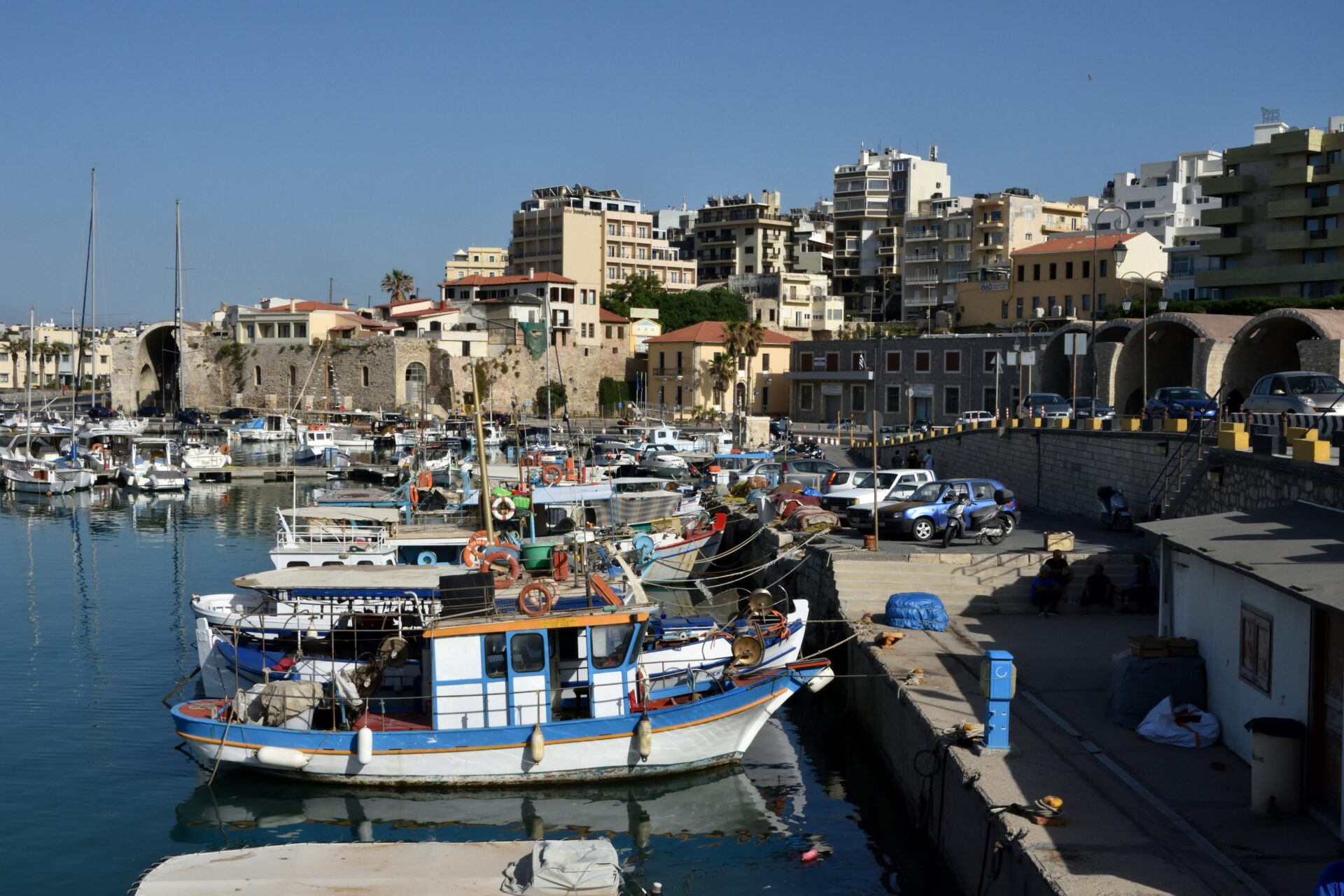
Harbours are among the most heavily altered marine habitats on earth with pollution, limited water circulation, and the physical transformation of coastlines making them hostile environments for most native species. Historically, these are areas in which biodiversity struggles to recover while ecological restoration has made little headway.
Now, a new study has identified an unlikely candidate for reversing their fortune. And it takes the form of a Mediterranean sponge with an extraordinary capacity to not only survive but actively restore its environment back to life.
This new research – published in Frontiers in Marine Science and led by Manuel Maldonado and Carlota Escarré from the Sponge Ecobiology and Biotechnology research group at the Centre for Advanced Studies of Blanes in Spain – assessed five Mediterranean sponge species over more than 455 days after transplanting them from their natural habitats into a marina. It found that while four of the five species failed entirely – dying shortly after transfer or not surviving the laboratory preparation phase at all – the fifth didn’t just survive but thrived.
Sponges are far from passive inhabitants of the marine environment, filtering large volumes of water, removing bacteria and viruses, recycling essential nutrients and providing shelter for a wide range of other organisms. In ecological terms, they function as engineers – species capable of modifying their environment in ways that benefit other species around them.
In a degraded harbour, that engineering function could be precisely what is needed to begin the slow process of recovery.
It’s with this in mind that the study’s findings have got scientists particularly excited. Because this is only the beginning of the story for Chondrosia reniformis. Researchers observed a range of behaviours they have since described as remarkable biological plasticity. After an initial period of slight shrinkage following the transfer, individual sponges stabilised their biomass and began doing something unusual for their kind: they moved.

In other news
Specimens travelled up to 12.7 centimetres across the substrate during the monitoring period, continuously reshaping themselves as they went – repositioning in response to changing environmental conditions in a way that gave them a meaningful ecological advantage over sessile competitors.
During the warmest months, some specimens went further still, dividing naturally to produce new genetically identical individuals. Without any additional human intervention, the experimental population grew from 24 to 40 sponges through clonal reproduction alone. And when disease struck – as it did for at least one individual, which lost tissue on multiple occasions – the sponge recovered fully each time, regenerating and continuing to develop normally.
“The remarkable ability of Chondrosia reniformis to move gives it an unusual ecological advantage,” said CEAB-CSIC researcher Manuel Maldonado.
“It can change its position if local conditions deteriorate or if competition for food or space increases, and it can seek refuge in areas that offer greater protection from pollution, predators or other stressors. This ability, together with its resilience and its capacity to reproduce by division, producing clones, makes it an exceptionally robust species and an excellent candidate for ecological restoration projects in harbour environments.”
Using computer vision algorithms, researchers automatically analysed the development of each specimen, reconstructing near-continuous changes in size, shape and movement across the full monitoring period. The approach represents a significant methodological advance for studying slow-growing marine organisms, and one the team has said will provide a highly accurate tool for supporting the design of future ecological restoration initiatives.
The project also incorporated a technological innovation developed by the research’s industry partner, Ocean Ecostructures. Rather than attaching the sponges directly to harbour infrastructure, the team fixed them to plates made from recycled ceramic materials, which were in turn installed on metal structures coated with a layer of calcium carbonate produced through electrolysis in seawater.
These structures – known as Life Boosting Units – are designed to facilitate the natural settlement of other organisms around the sponges, reinforcing their ecological function as habitat engineers and providing a broader platform for biodiversity recovery.
Sponges are not passive inhabitants of the marine environment. They filter large volumes of water, removing bacteria and viruses, recycling essential nutrients and providing shelter for a wide range of other organisms. In ecological terms, they function as engineers — species capable of modifying their environment in ways that facilitate the establishment of other species around them. In a degraded harbour, that engineering function, combined with the physical scaffold of the Life Boosting Units, could be precisely what is needed to begin the slow process of recovery.
The aim of the study was not to suggest that sponges alone can restore a harbour ecosystem, but to identify which species are capable of tolerating the conditions found in these environments – and can therefore serve as a foundation, alongside other organisms, for broader re-naturalisation strategies.
The case of Chondrosia reniformis, the researchers conclude, offers a promising pathway toward harbour infrastructure that is more compatible with marine life.


"*" indicates required fields
Printed editions
Current issue
Back issues

Enjoy so much more from Oceanographic Magazine by becoming a subscriber.
A range of subscription options are available.
