Seven new viruses discovered in threatened sea turtle populations
Using genetic sequencing, scientists have identified 19 viruses - including seven never seen before in any species – in Atlantic and Pacific sea turtles, giving researchers a baseline to track emerging disease threats.
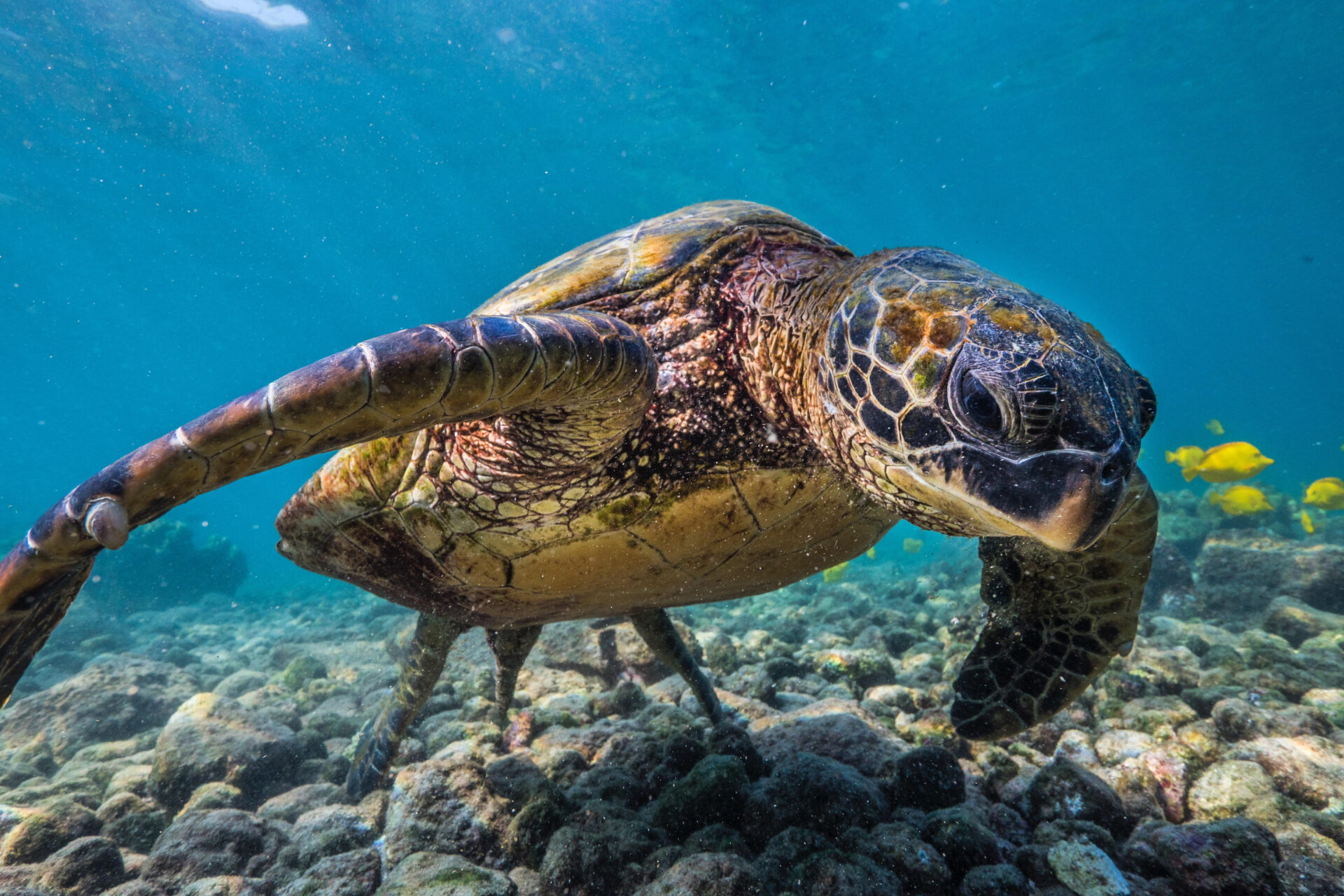
Scientists at the University of Georgia have identified previously unknown viruses that may pose a risk to threatened and endangered sea turtles, in research that shifts the focus of conservation efforts beyond the man-made pressures that have dominated the field for decades.
Using genetic sequencing, researchers in UGA’s College of Veterinary Medicine identified 19 viruses in Atlantic and Pacific sea turtles, seven of which had never been identified before in any species. One belongs to a previously unrecognised scientific family of viruses altogether. Some of the newly found viruses were genetically related to known pathogens that infect aquatic invertebrates and fish.
These findings mark one of the more comprehensive efforts yet to catalogue the viral communities living within sea turtles, adding a new layer of monitoring to a field that has traditionally focused on tackling pollution, habitat destruction and human activity as the primary drivers of population decline.
Symptoms consistent with viral infection have been documented in sea turtles for years, but pinpointing the exact cause has proven difficult without a clear picture of which viruses are actually circulating in these populations.
Five of the seven sea turtle species found worldwide are currently listed as threatened or endangered, according to the IUCN Red List, with declines driven largely by habitat loss, fishing bycatch, poaching and coastal development.

In other news



Disease has increasingly been recognised as an additional pressure on already vulnerable populations. The best-documented example is fibropapillomatosis, a tumour-forming disease linked to a herpesvirus first identified in green turtles in the 1930s, which can grow large enough to impair a turtle’s ability to swim, feed or breathe and has been reported in turtle populations worldwide.
Researchers say that without a baseline understanding of which viruses are normally present in sea turtles, scientists responding to a future disease outbreak would essentially have to start their investigation from scratch. Establishing that baseline now, they say, could save years of investigative work further down the line – a significant advantage should an emerging disease begin affecting an already fragile population.
“Viral discovery turns unknown unknowns into known unknowns that we can then target for study,” said Stanton, one of the study’s researchers. “Most of these viruses may never prove to cause disease, but discovering and cataloging them gives us the foundation to recognize the ones that do and determine whether they pose a meaningful threat to already imperiled sea turtle populations.”


"*" indicates required fields
Printed editions
Current issue
Back issues



Enjoy so much more from Oceanographic Magazine by becoming a subscriber.
A range of subscription options are available.
