"Shocked, not surprised": Northeast Atlantic mackerel at historic low
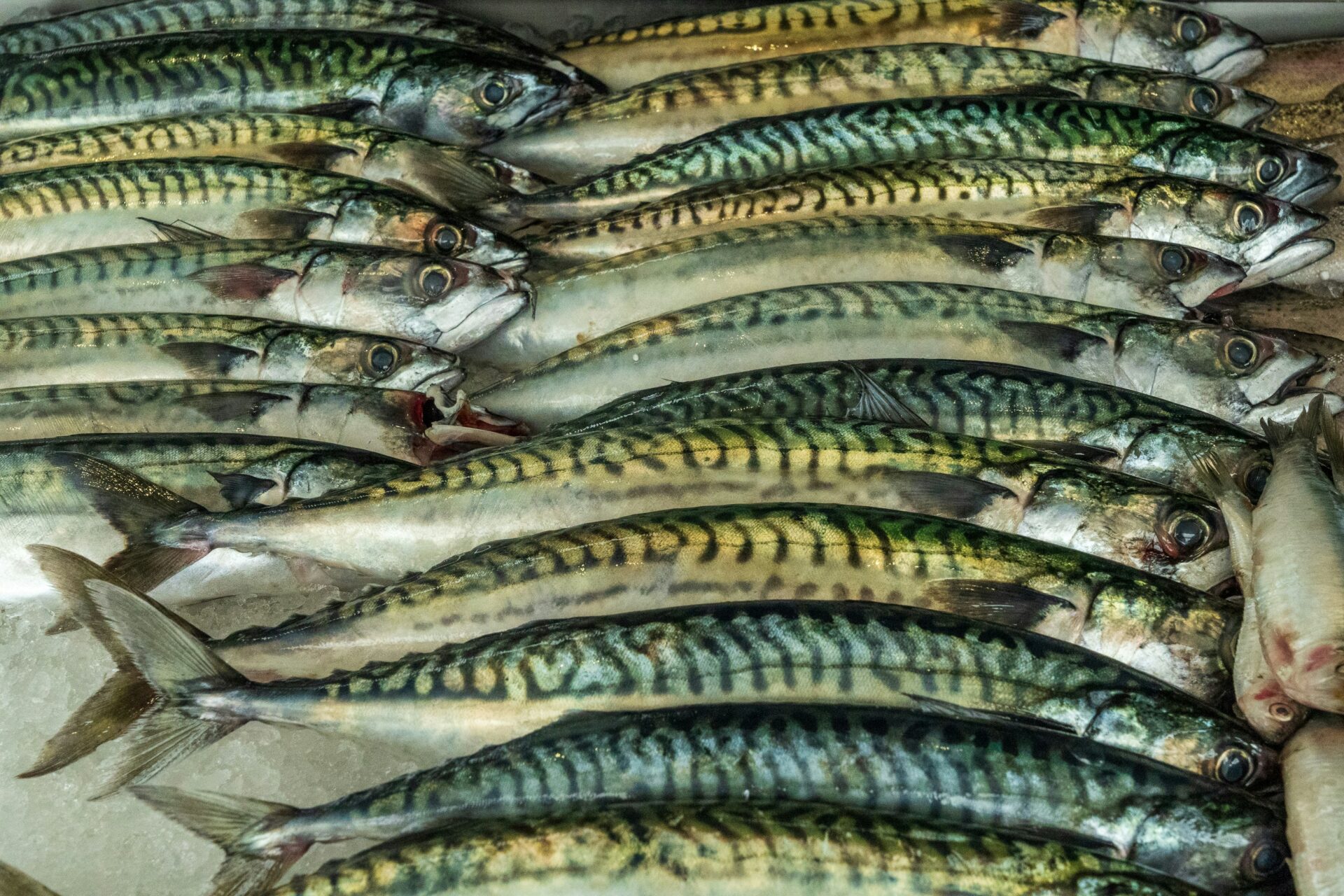
Corresponding with “years of excessive catches”, advice has been released this week from the International Council for Exploration of the Seas (ICES) describing the species as having “plummeted to a level from which it will struggle to recover.”

Shocked but not surprised has been the overarching feeling among environmental campaigners and seafood organisations to the news that the mackerel population in the North East Atlantic has reached its lowest level for more than 20 years.
Corresponding with “years of excessive catches”, evidence and advice has been released this week from the International Council for Exploration of the Seas (ICES) describing the species as having “plummeted to a level from which it will struggle to recover.”
As a direct result, scientists have advised a stark 77% reduction in catches from the previous year – advice that many have taken as a sign of just how concerning the latest stock declines are.
For many years, mackerel has been one of the most prized catches in the North East Atlantic. However, unsustainable catch limits higher than the scientific advice in every year but one since 1998 – and as much as 33% beyond what science has considered safe each year on average for the last ten years – has left that stock in a depleted state.
“The largest, most valuable fishery has been driven to the brink by continued and massive overfishing. We have a large-scale industrial fishing fleet that has demonstrated it cannot restrain itself and governments that appear incapable or unwilling of managing them,” said Jonny Hughes, senior UK marine policy manager at Blue Marine Foundation.
“It turns out putting your head in the sand and dismissing every warning isn’t a plan, it’s a recipe for disaster.”
The advice is the latest in a spate of dismal news for fish stocks. Atlanto-Scandian herring and North East Atlantic blue whiting have also seen substantial decline, while both Celtic Sea haddock and North Sea cod fisheries have this year been collapsed.
“This, just like the collapses of Celtic Sea haddock and North Sea cod, is a result of deliberate political choices made under intense lobbying from industrial fishing fleets. This outcome is not a surprise, it was a choice,” continued Hughes.
In other news
Analysis completed by the Blue Marine Foundation has found that it is the UK and Norway responsible for the most excessive overfishing of mackerel stocks in the North East Atlantic. It’s now feared that the implications of recent advice will have long reverberating impacts on the seafood market, the fishing industry, and of course the ecosystem.
The North Atlantic Pelagic Advocacy Group (NAPA) is a market-led coalition of more than 50 global retailers, food service companies, and suppliers which – since 2020 – has been working to encourage sustainable, science-driven management of mackerel in the North East Atlantic. In the wake of the advice, the Group is calling for urgent international quota sharing agreements to bring mackerel catches back into line with scientific advice and reduce the pressure on the struggling species.
“The latest update on the state of the mackerel stock is shocking – but not surprising,” said Aoife Martin, NAPA Independent Chair. “NAPA has been calling for action to address this issue for five years. In that time, excess catches have totalled over one million tonnes above scientific advice. It has proven inevitable that there would be stark consequences not only for the species, but for all who depend on it for their livelihoods.”
The severity of the stock’s depletion is already impacting the UK market. The Marine Stewardship Council has confirmed that Atlantic mackerel products – typically found on UK shelves – have lost their certified sustainable status, meaning there are currently no certified sustainable mackerel products available and, in fact, there hasn’t been since 2019.
The Marine Stewardship Council has stressed that lasting change will only come if ministers adhere to the ICES advice ahead of the next negotiation talks in mid-October.
“For the sake of fish populations, broader ecosystems, fishers livelihoods, and consumers, reducing catches to allow the stock to recover is essential,” continued Hughes. “Yet the push for higher short-term catches risks driving the collapse of the mackerel population and the end of the fishery itself. If we lose North East Atlantic mackerel, there is no alternative – you can’t catch it anywhere else.”
Seafood giant, Princes has already announced it is switching its branded product line away from North East Atlantic mackerel to Chilean Jack mackerel, an alternative certified sustainable by the Marine Stewardship Council.
“Short-term economic gain can no longer justify ignoring scientific advice,” said Hughes. “Instead, ensuring long-term sustainability of our seas must be the priority for this year.”


"*" indicates required fields
Printed editions
Current issue
Back issues

Enjoy so much more from Oceanographic Magazine by becoming a subscriber.
A range of subscription options are available.
