Snooping robot reveals how dolphins use sound to hunt and socialise
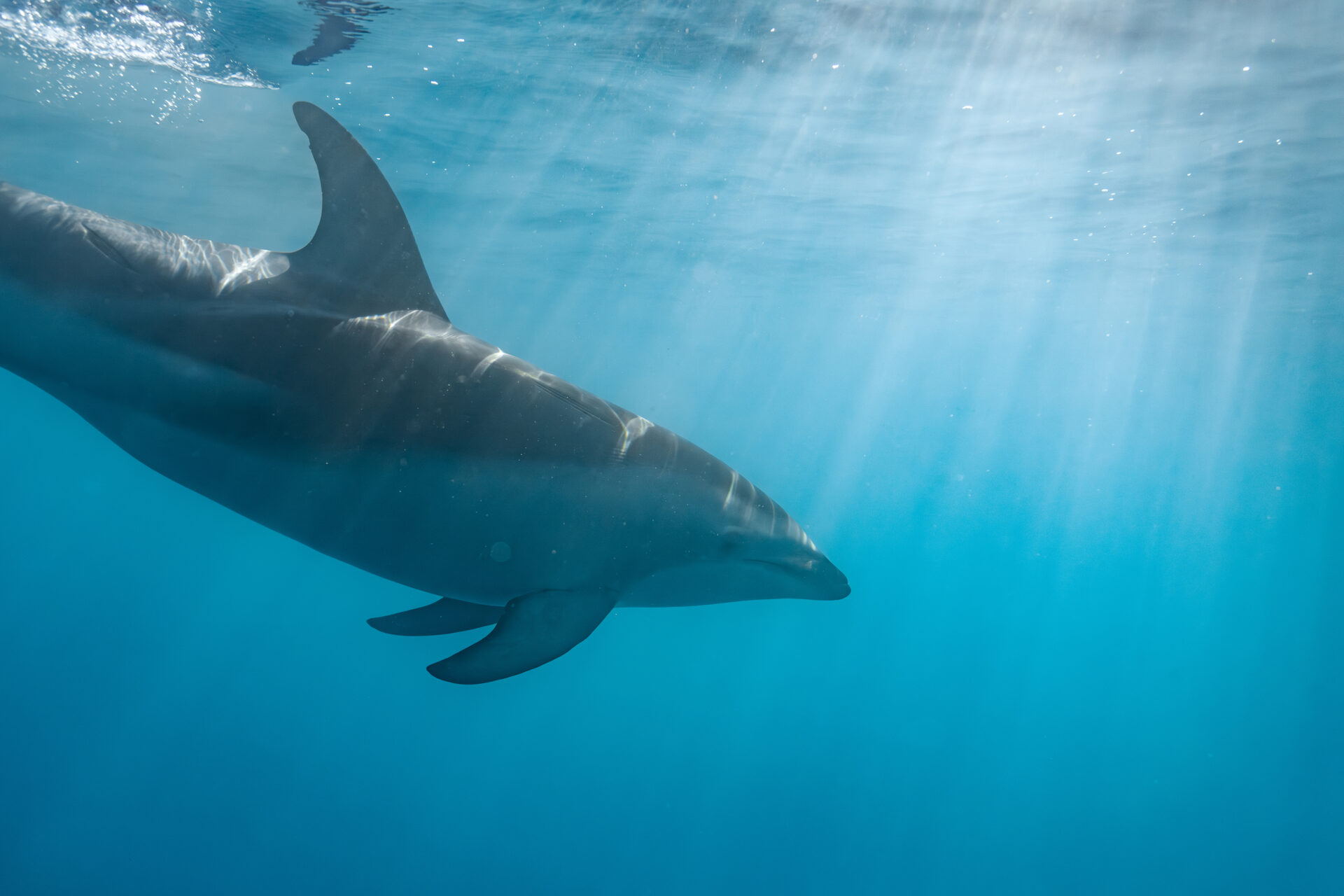
An underwater robot secretly listened to dolphins off Florida's coast for two months, revealing they switch their sounds between socialising and hunting, and may be using their prey's own noise to track them down.
Dolphins off Florida’s Atlantic coast appear to use sound in strikingly different ways depending on whether they are socialising or hunting, according to new research that “eavesdropped” on the animals for two months.
The study, led by Florida Atlantic University’s Harbor Branch Oceanographic Institute, used an autonomous wave glider fitted with an acoustic recorder to listen across the East Florida Shelf. Over two months, it captured nearly 62 hours of underwater sound, with dolphins detected in more than 1,600 recordings.
Researchers compared the whistles and echolocation clicks they picked up against environmental conditions such as depth, temperature, salinity, currents and human noise, in an attempt to work out what shaped the animals’ behaviour without ever having to see them.
Whistling, which is mainly linked to social behaviour, was heard most often in nearshore waters, with hotspots identified near St Augustine and Ponce Inlet, and additional areas near Melbourne Beach.
Echolocation clicks told a different story however. They were concentrated further offshore between Melbourne and Ponce Inlet, in areas that also had high numbers of sound-producing fish.
O’Corry-Crowe said the overlap between echolocation and vocal fish suggested dolphins may be picking up on sounds made by their prey while hunting, effectively using the fish’s own noise against them.
“What we’re seeing is a fascinating separation between the acoustic behaviours dolphins use for social life and those they use for finding food,” said Greg O’Corry-Crowe, a co-author and research professor at FAU Harbor Branch.

In other news




Jessica Carvalho, the study’s first author, said listening in on dolphins in this way could help identify habitats that matter most for their survival. “That information can ultimately help us better protect critical dolphin habitat, particularly in coastal waters increasingly affected by human activity,” she said.
The researchers also noticed mismatches between fish and dolphin activity in some recordings, raising the possibility that fish quieten down when dolphins are nearby.
“Everybody is snooping on everybody else,” O’Corry-Crowe said.
Whether that means dolphins are actively listening for fish, and fish are in turn listening for dolphins, is a question the team says they cannot yet answer, and one they now plan to investigate further.


"*" indicates required fields
Printed editions
Current issue
Back issues




Enjoy so much more from Oceanographic Magazine by becoming a subscriber.
A range of subscription options are available.
