Ten new sponge species discovered off Hawaii
The amount of new marine species being discovered around the globe is testament to the fact how much there is left to explore in the oceans. The latest discoveries - ten new marine sponge species - were made off Hawaii.

In a series of newly published studies, researchers at the University of Hawaii at Mānoa Hawaiʻi Institute for Marine Biology (HIMB) identified ten new species of marine sponges in Kāneʻohe Bay, shedding light on an often-overlooked but vital part of the local coral reef ecosystems.
Despite being one of the oldest lifeforms on the planet, marine sponges remain vastly understudied so the newly identified species help broaden our understanding of biodiversity around Hawaii and Oceania.
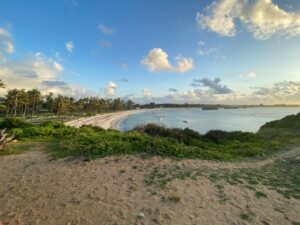
Measuring around 45 km2, Kāneʻohe Bay, located on the northeast coast of the Island of Oʻahu, is the largest sheltered body of water in the main Hawaiian Islands.
The exciting new findings were described in a study, published in the journals PeerJ and Zootaxa. The researchers discovered the sponges off Hawaii using an innovative technique that explores genes as well as structural characteristics – autonomous reef monitoring structures (ARMS).
These passive, three-dimensional monitoring units mimic the reef’s natural environment and are made of stacked settlement plates. They are places on the sea floor where they are left for about a year to study the diversity of organisms found on coral reefs. When these units are retrieved from the ocean, researchers can analyse what life has established on them.
In the case of the latest study, ARMS were used to collect sponge specimens without disturbing the fragile ecosystem.
“We used ARMS to collect sponges from within the reef,” said Rachel Nunley, a Scientists in Parks (SIP) intern at Kaloko-Honokōhau National Historical Park and lead author of the PeerJ study that identified six of the ten new species.
“After sponge collection, we used DNA analysis to narrow down what species we were looking at. We found that these species in Kāneʻohe Bay were new to science and have not been documented anywhere else in the world,” added Nunley.
In the study, the researchers point out that marine sponges are particularly difficult to study due to their small size, fragility and dynamic nature.
In other news
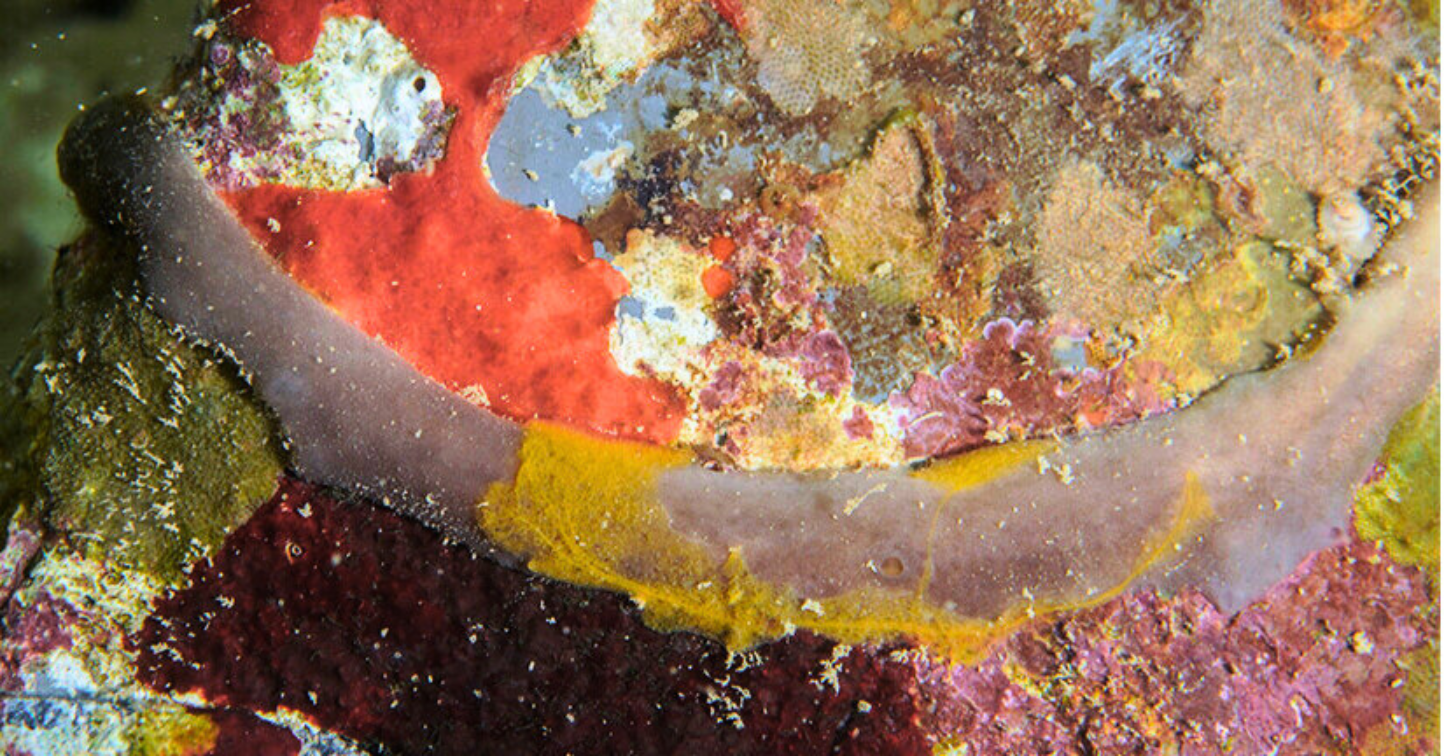
Jan Vicente, a postdoctoral researcher at ToBo Lab and lead author of the Zootaxa study that identified four additional sponge species, said: “Sponges are found within the ‘nooks and crannies’ of the reef, making them difficult to collect without destroying the reef,” said Jan Vicente, a postdoctoral researcher at ToBo Lab and lead author of the Zootaxa study that identified four additional sponge species.
“Sponges are widely underappreciated, even though they play an essential role in cycling nutrients that help maintain coral reef biodiversity in remote island archipelagos where nutrients in coral reefs are scarce.”
To date, the research team that was involved in finding the marine sponges has sampled over 1,000 specimens from the coral reef in Kāneʻohe Bay using ARMS, while also having recovered ARMS from five other eco-regions across the Pacific in hopes of further shedding a light on the biodiversity of Oceania.
They hope that their research can provide further insight into which species are native, which ones are endemic and which ones have been introduced.


"*" indicates required fields
Printed editions
Current issue
Back issues



Enjoy so much more from Oceanographic Magazine by becoming a subscriber.
A range of subscription options are available.
