The unique killer whales that have made Australia their home
Well-documented in the Northern Hemisphere and Antarctica, much less is known about killer whales in Australia. However, orcas are actually sighted year-round in all coastal states and territories, a new study has confirmed, mapping them across three key regions.

New light has been shed on both the habitat preferences of and the ecological distinctions between two different types of killer whales found year-round around the coastal states and territories of Australia, broadening the understanding of some of the region’s least studied residents.
While well-documented in the Northern Hemisphere and Antarctica, much less is known about killer whales (Orcinus orca) in Australia. However, orcas are actually sighted year-round in all coastal states and territories, a new study has confirmed, mapping them across three key regions.
It’s research that has been led by Flinders University’s Cetacean Ecology Behaviour and Evolution Lab (CEBEL) which models the distribution of killer whales in Australian waters, shedding light on habitat preferences and uncovering ecological distinctions between populations.
A collaboration with the Cetacean Research Centre of Western Australia, Project ORCA, and Killer Whales Australia, the paper published in Ecology and Evolution collates some 1,310 sightings of killer whales around the country from the past four decades.
Using a process known as species distribution modelling, researchers have been able to pinpoint places of high habitat suitability in the southeast, southwest, and northwest Australia – notably the Bonney Upwelling (in South Australia), Bremer Sub-basin (in Western Australia), and Ningaloo Reef (also in Western Australia).
“This work greatly increases our understanding of killer whales in Australian waters and identifies areas of biological importance for management and monitoring,” said Flinders University CEBEL Ph.D candidate, Marissa Hutchings, lead author of the study.
“Not only now do we have a nationwide picture, but our findings also support the idea that at least two ecologically distinct forms of killer whale exist in Australia – a temperate and a tropical form.”
In other news

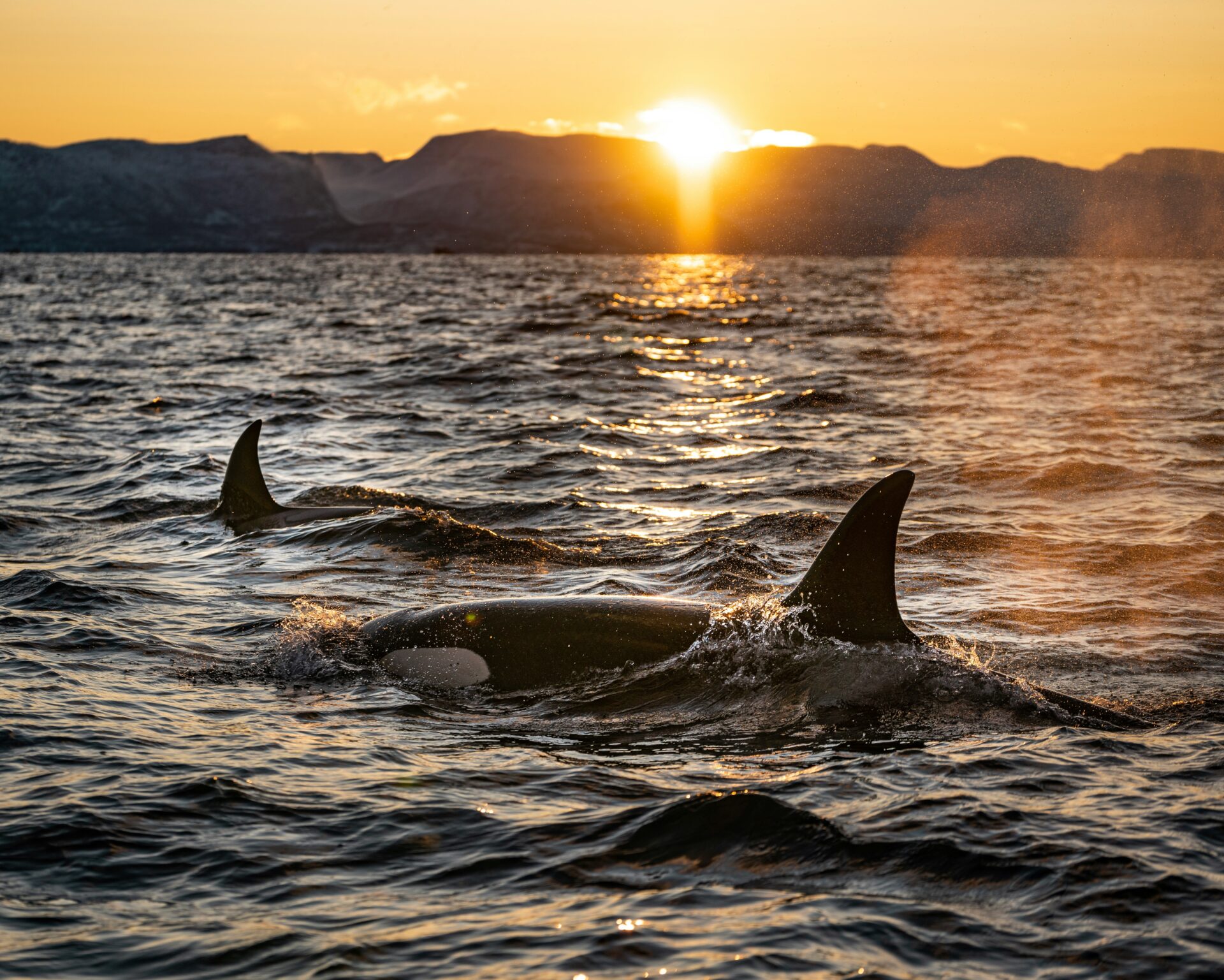
With this research, stronger conservation efforts have been called for to protect these unique populations, particularly given the role they play as apex predators in the marine ecosystem. Hutchings highlights that some of the species’ most important habitats are currently only partially protected by legislation.
“More research will be vital in ensuring that this species can be adequately managed in a changing environment, but this will only be made possible by collaboration between researchers, citizen scientists, and marine users to improve the size and accessibility of datasets on both killer whales and their prey,” said Hutchings.
Differences in range and drivers of occurrence are important to recognise as stressor such as commercial fishing, marine tourism, offshore drilling, and chemical pollutants become increasingly prevalent in Australia.
Senior author on the study, Flinders Associate Professor Luciana Möller said the study complements ongoing research into the genetics, feeding ecology, and diversification of Australia’s killer whale populations, as well as highlights the usefulness of citizen science data.
“We hope this study will help inform the conservation of this species, which is still considered data deficient and remains to be adequately protected under Australian Government legislation.”
The study ‘Species Distribution Modelling of Killer Whales in Australian Waters’ is published in Ecology and Evolution.


"*" indicates required fields
Printed editions
Current issue
Back issues

Enjoy so much more from Oceanographic Magazine by becoming a subscriber.
A range of subscription options are available.
