Timmy the whale confirmed dead by Danish environment agency
Timmy the humpback whale is dead - found in the Kattegat two weeks after a widely condemned €1.5 million rescue operation released him into a Danish shipping lane against the advice of marine scientists.
Danish authorities have confirmed that Timmy, the humpback whale whose high-profile rescue attempt both captivated and divided concerned audiences across Europe, has been found dead near the island of Anholt, just two weeks after being released into the North Sea following a rescue operation widely condemned by marine scientists.
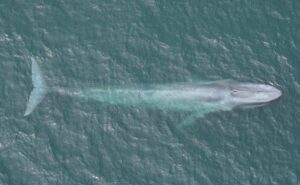
The 10-metre juvenile humpback, which became a global sensation after stranding on a sandbank off the German coast nearly two months ago, was found dead on Friday in the Kattegat strait between Denmark and Sweden.
Authorities from the Danish Environmental Protection Agency confirmed the identity on Saturday after retrieving a tracking device fastened to the whale’s back during the rescue operation.
“It can now be confirmed that the stranded humpback whale near Anholt is the same whale that was previously stranded in Germany and was the subject of rescue attempts,” said Jane Hansen, division head at the Danish Environmental Protection Agency.
“The position and appearance of the device confirm that this is the same whale that had previously been observed and handled in German waters.”
The story of Timmy began in early March, when a humpback whale was spotted in the Baltic Sea near Wismar, entangled in fishing gear. Entanglement is one of the leading causes of death for large whales, and the animal’s condition deteriorated rapidly. When it beached itself near Timmendorfer Strand the full weight of its situation became clear.
Without the buoyancy of open water, the whale’s 12-tonne body began crushing its own organs. The low-salinity Baltic water left its skin cracked and discoloured. Parts of its mouth were believed to have been caught in fishing net.
What followed was a rescue operation defined by its chaos. The German Federal Coast Guard attempted to use speedboat wakes to lift the whale, pushing it closer to shore instead. A suction dredge failed to move the dense Baltic sand. A specialised excavator brought in to dig a trench is thought to have accidentally pierced the whale’s skin.
By this point, marine experts from the German Oceanographic Museum and the International Whaling Commission recommended palliative care: keeping the animal calm and wet until it breathed its last. The German Minister for Agriculture, Environment and Consumer Protection Till Backhaus announced his decision to let the whale die peacefully.
However, it was under the weight of public outcry that the government soon reversed its course. Private funding poured in – led by MediaMarkt co-founder Walter Gunz – and the mission was handed to a team that included a Peruvian whale whisperer and a far-right influencer.
“We benefit so much from the animal world,” Gunz said. “We can give something back.”

In other news
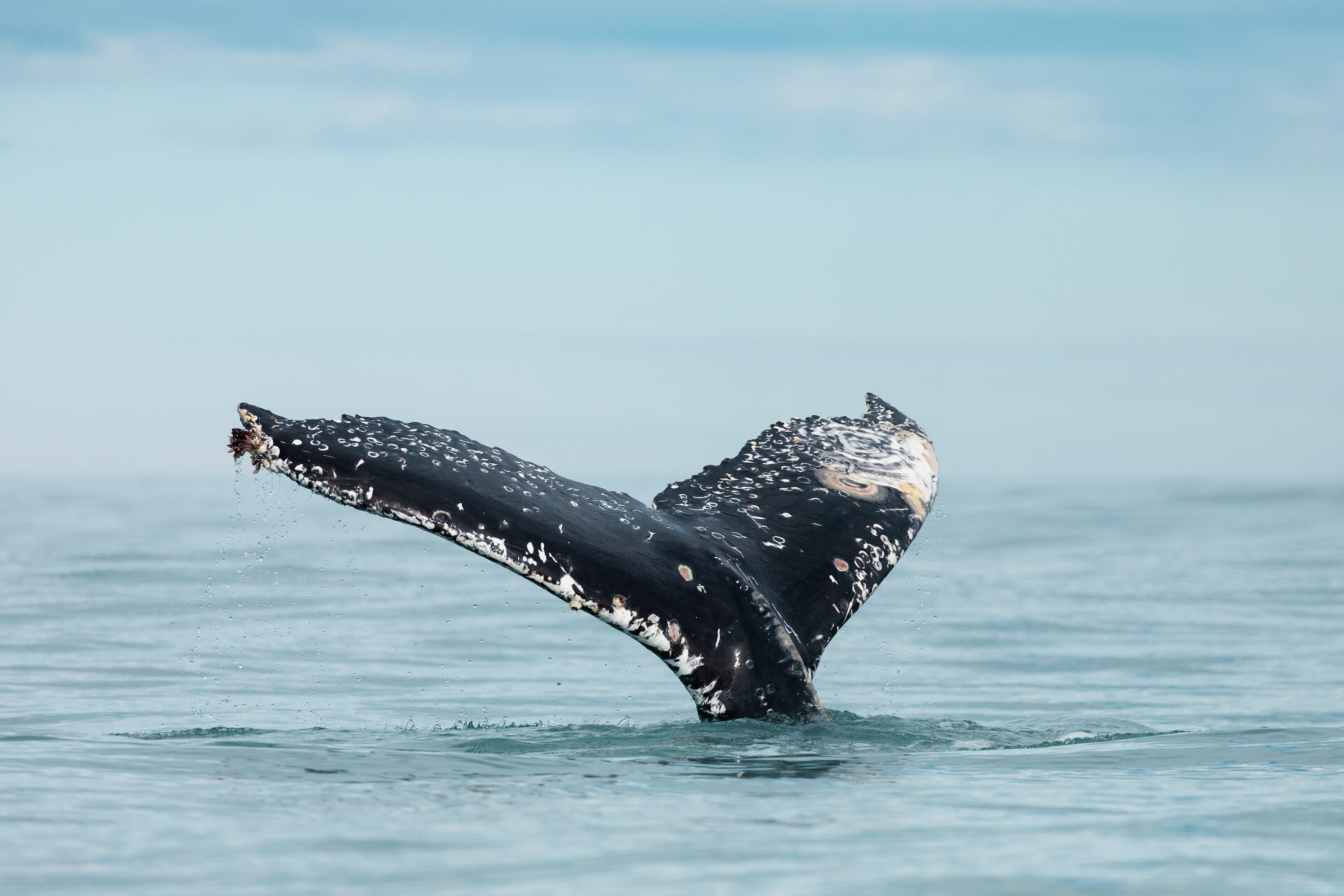
The most ambitious and final rescue attempt began on 28 April. Timmy was loaded into a water-filled transport barge for a journey toward the North Sea. Experts warned that the metal walls would reflect the whale’s sonar, causing extreme stress. Drone footage later confirmed that Timmy was thrashing against the sides. The plan was to release the whale in open water. Instead, he was dropped 70 kilometres north of Skagen, Denmark – directly into a busy shipping lane.
The International Whaling Commission had already described the operation as “inadvisable,” noting that the juvenile appeared “severely compromised” and was unlikely to survive. Burkard Baschek, Director of the Ocean Museum Germany, had warned that the rescue amounted to “pure animal cruelty.” Those warnings went unheeded.
After release, Timmy was reported to be blowing through his blowhole and swimming in what observers called the right direction. The tracker fitted to monitor his progress was not working. Two weeks later, a whale was found dead near the small Danish island of Anholt in the Kattegat strait between Denmark and Sweden.
Danish authorities said they had no plans to remove the carcass or conduct a post-mortem, and urged the public to stay away from the remains due to the risk of disease.
The two financiers behind the operation have attempted to distance themselves from the manner of the release, issuing a joint statement calling for consequences to be borne “by the owner, the operators, and any crew members of the ships Fortuna B and Robin Hood.”
A petition demanding accountability for the rescue’s failures has been circulating online, while questions continue to be raised over the secrecy of the tracking data and the handling of the whale during transport.
“I’ve never seen anything like this before,” said Fabian Ritter, a marine biologist and whale researcher at M.E.E.R.
For those in the conservation community, the spectacle of Timmy’s rescue – and death – has drawn attention to a deeper and more troubling failure.
“It’s really striking that there’s been such a focus on this individual animal at such great cost during a time of great crisis for wildlife funding around the world,” Amy Dickham, Professor of Wildlife Conservation at the University of Oxford, told The Guardian.
“It’s really questionable whether it was a good use of funds, particularly compared with issues that impact much greater numbers of whales, such as collisions with vessels and entanglements with fishing gear.”


"*" indicates required fields
Printed editions
Current issue
Back issues
Enjoy so much more from Oceanographic Magazine by becoming a subscriber.
A range of subscription options are available.
