Trump's plan for commercial fishing off Hawai'i blocked
Moves made by the administration of President Trump to open up swathes of protected waters to the south and southwest of Hawai’i to commercial fishing has been blocked by the federal district court in Honolulu which ruled that such practice cannot legally continue last week.

A move made by the administration of President Trump to open up swathes of protected waters to the south and southwest of Hawai’i to commercial fishing has been blocked by the federal district court in Honolulu which ruled last week that such practice cannot legally continue in the Pacific Islands Heritage Marine National Monument.
The court’s order effectively cancels a letter issued by the National Marine Fisheries Service in April this year which purported to authorise commercial fishing in the portions of the Monument that President Obama protected back in 2014.
Friday’s order states that “no commercial fishing operators may reasonably rely on [the letter]” and that commercial fishing in the waters between 50 and 200 nautical miles around Johnston Atoll, Jarvis Island, and Wake Island should “cease immediately.”
“The court acknowledged the importance of giving due consideration to the voices of our kūpuna in these challenging times. The Fisheries Service cannot ignore our perspectives as the native people who belong to the islands and to the ocean that surrounds us,” said Solomon Pili Kaho’ohalahala, founding member of Kāpa’a.
“The law guarantees a process where we can advocate for protecting the generations of our children’s children who are yet to be born.”
Arguments to cease commercial fishing in the waters were made by Earthjustice on behalf of Kāpa’a, the Conservation Council for Hawai’i, and the Centre for Biological Diversity. They focused on the Fisheries Service’s ‘failure to follow the lawful process’ to change commercial fishing regulations within the monument’s boundaries under the Magnuson-Stevens Act – a law that requires public notice and an opportunity for public comment before any changes to fishing regulations can take effect.
Jonee Peters, executive director of Conservation Council for Hawai’i, said: “We applaud the court for rejecting the Fisheries Service’s attempt to gut fishing protections in the monument without going through the formal rule-making process, which ensures a voice for all those concerned about protecting the monument’s vital species and ecosystems for today, and for future generations.”
In other news
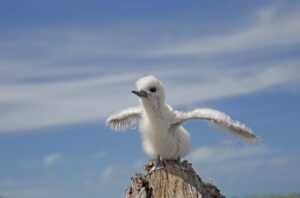
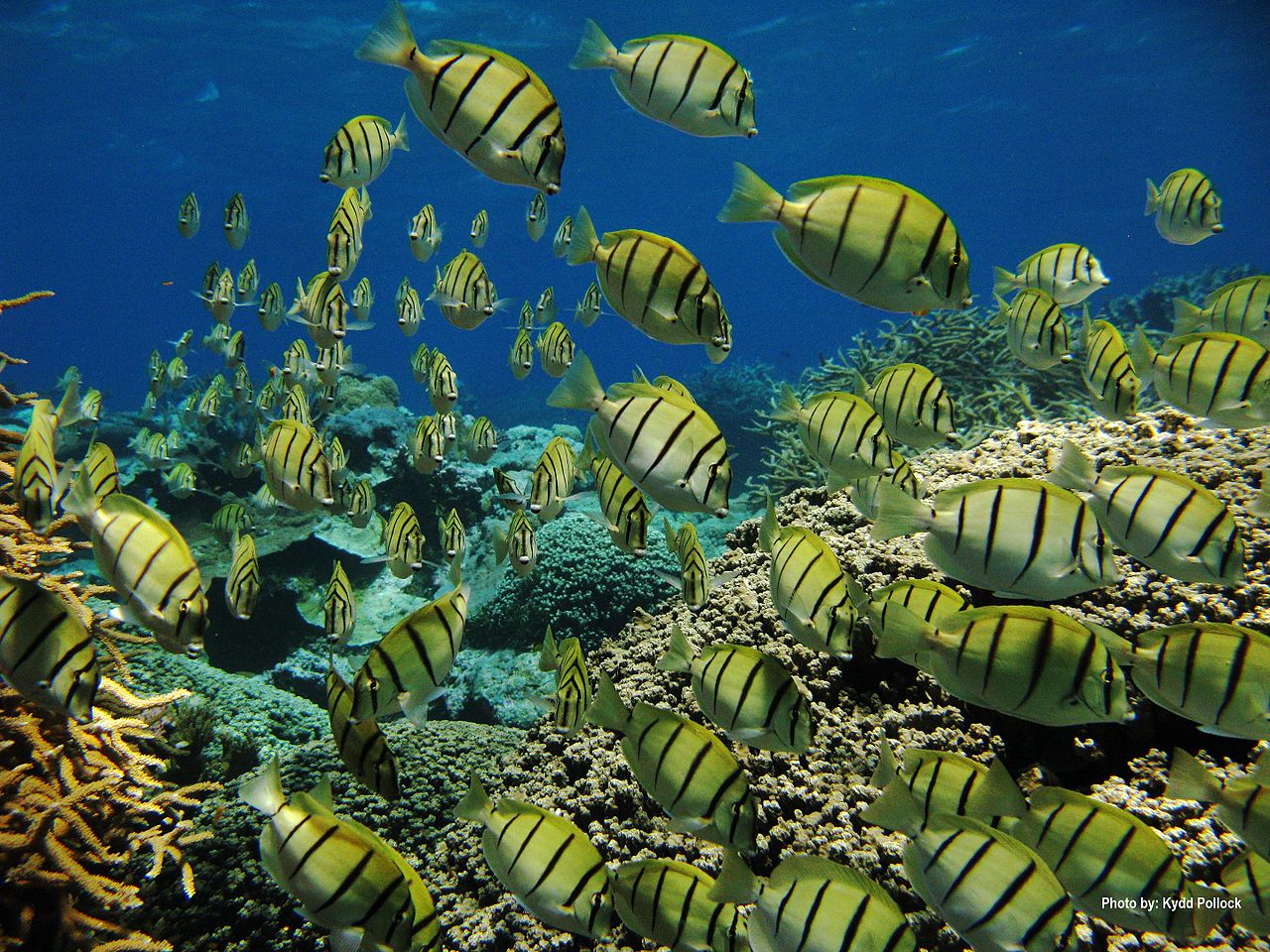
The legal challenge was filed in May this year, taking aim at the Trump administration’s move to open the Pacific Islands Heritage Marine National Monument to commercial fishing. In June, a motion was filed seeking a partial summary judgement to address the Fisheries Service’s letter – issued in April – to commercial fishing permit holders.
Now cancelled, this letter intended to give commercial fishers a green light to fish within the monument’s boundaries, even though the monument regulations implementing the longstanding fishing ban remain on the books.
“The court forcefully rejected the Trump administration’s outrageous claim that it can dismantle vital protections for the monument’s unique and vulnerable species and ecosystems without involving the public,” said Earthjustice attorney, David Henkin.
“The court reaffirmed that, even if President Trump’s directive to allow some commercial fishing in the monument were legal (which we dispute), the Fisheries Service still has discretion to ban highly destructive practices like longline and purse seine fishing.
“The court’s order means the Fisheries Service cannot shirk its duty to ensure adequate protection for the monument.”
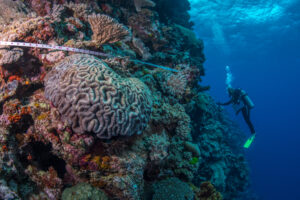
The Pacific Islands Heritage Marine National Monument spans around 370,000 square miles, making it one of the largest marine protected areas in the world. As such, it is home to a diverse array of ecosystems, including coral reefs, deep-sea habitats, and numerous threatened species.
“These sacred and irreplaceable ecosystems are home to endangered species, deep-sea corals, and rich cultural heritage. We’ll keep fighting to ensure these protections remain in place for generations to come,” said Maxx Phillips, Hawai’i and Pacific Islands director and staff attorney at the Centre for Biological Diversity.


"*" indicates required fields
Printed editions
Current issue
Back issues


Enjoy so much more from Oceanographic Magazine by becoming a subscriber.
A range of subscription options are available.
