UK failing on nature goals as oil plans encroach on protected seas
An investigation has found UK oil and gas licences overlap vast areas of protected seas, as the government’s own watchdog warns it is failing to meet nature and climate targets, with drilling plans threatening marine wildlife and conservation goals.
The UK has been called out for being the ‘worst offender’ when it comes to allowing fossil fuel companies to drill in marine protected areas, following an investigation into government-issued licences that overlap with some 13,500-square-kilometres of protected marine space.
The news has emerged just as the Office for Environmental Protection watchdog issued its own warning that the UK’s Labour government was off track to meet the majority of its targets to save wildlife in England, failing on almost all environmental factors.
In its latest report, the OEP found that seven of the ten targets set in the Environment Act 2021 have little likelihood of being met by 2030 – a deadline that has been set in law. Meanwhile, the three remaining targets – clean air, reducing the harmful impact of environmental hazards, and improving the beauty of nature – are only partly on track.
With Government-issued oil production licences now found to overlap with areas of protected marine environment equivalent to the size of Greater London, UK environmental NGOs have warned the government faces little chance of achieving such targets in the near future.
Last year alone, more than 89,000kg of oil and chemicals were spilled in the North Sea, 78 of these spills occurred in areas of protected marine space. The government is now deciding on whether to approve extraction at the Rosebank oil field in the North Sea.
An assessment by Shell and Equinor – the big oil companies that co-own the Rosebank licence – indicate that a ‘worst case’ spill could spread oil across 29 marine protected areas in the North Sea. This, the UK’s ocean advocacy organisation, Oceana UK has said “would cause untold harm to our ocean wildlife.”
“If you poured that off the end of a pier, you’d like to think you’d be arrested for vandalism,” said Oceana UK’s campaign lead, Naomi Tilley.
“It is appalling to see that wildlife sanctuaries around the globe, on land and at sea, are being harmed by the drilling and spilling of Big Oil. That the UK is the worst in the world shows the urgent need for action in our nature depleted country.”

In other news
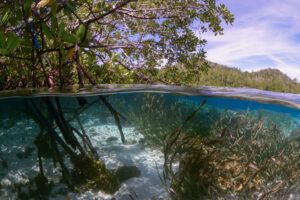
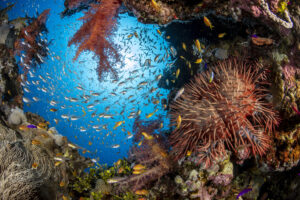
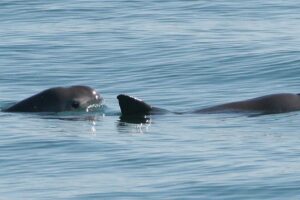
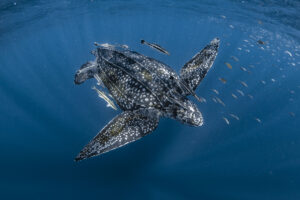
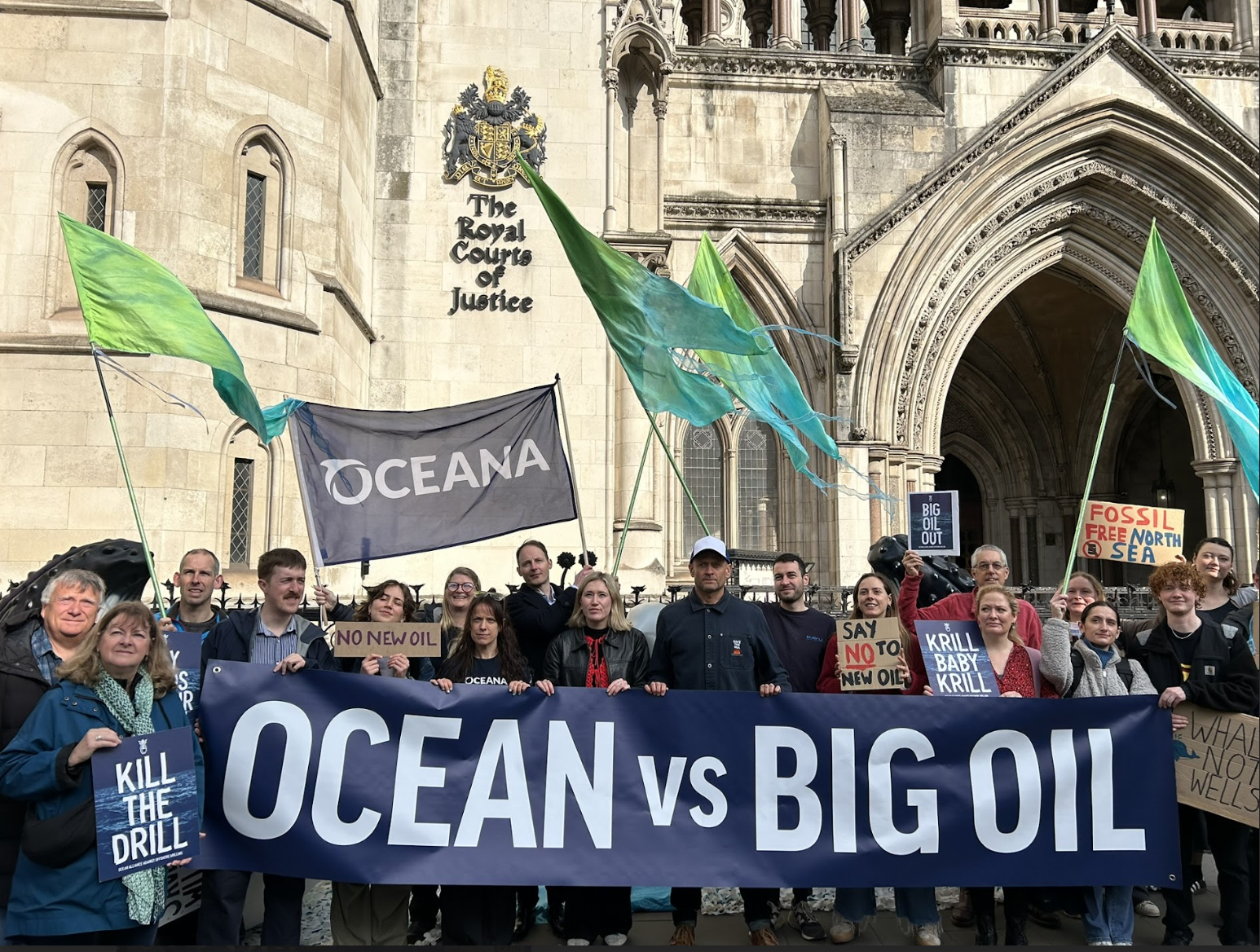
An investigation led by the Bureau of Investigative Journalism found that in the UK, oil and gas production licences are now encroaching on 46 protected nature reserves. These include a designated area of outstanding natural beauty in the Surrey Hills, and wetlands such as Morecambe Bay and Poole Harbour.
Back in 2024, the UK’s then Conservative government granted 29 new North Sea licences, many of which overlapped with marine protected areas that are home to populations of porpoises, grey seals, and puffins. These licences were challenged in the High Court but ultimately granted when they were ruled lawful. The judge, however, ruled that any potential damage to wildlife ‘must be assessed at every step and with increasing specificity’ as the process goes on.
“This government has said that it will ban oil and gas developments at sea and in marine protected areas, it needs to urgently implement this and ensure that nature protections are of the highest standard for all industrial developments,” added Tilley.
Away from the marine space, the government is also bringing forward legislation that could negatively impact the environment further, including the introduction of the planning and infrastructure bill, which could allow developers to build on currently protected nature sites.
Dame Glenys Stacey, Chair of the OEP, said: “Our report comes at a time when the government is focused on economic growth. Nature has a role to play here, an important role. It is not a blocker to growth, but it enables, drives, and protects economic growth.
“Nature’s recovery is a pre-requisite for prosperity, health, and well-being. We have previously called for the government to speed up and scale up its efforts if it is to achieve its environmental ambitions and commitments, and we renew that call now. While we have seen more progress in this year than in the previous reporting period, it was not the step change needed.”
The government remains largely off track to meet its environmental targets and obligations, including those vital 30 by 30 targets for both protected areas and for restoring degraded ecosystems.
“The government must now decide whether or not it is going to meet those targets,” said Stacey. “What happens now matters.”
Beccy Speight, RSPB chief executive, said: “Nature in England is still in freefall, and the UK Government is off track on its own legal targets. Action is what matters now: real change on the ground before it’s too late.
“We back the OEP’s call for Government to drive greater uptake of high‑quality, nature‑friendly farming schemes and to properly fund, improve, and expand the protected sites network on land and at sea.”


"*" indicates required fields
Printed editions
Current issue
Back issues
Enjoy so much more from Oceanographic Magazine by becoming a subscriber.
A range of subscription options are available.
