Whales and dolphins at risk from deep-sea mining, scientists warn
Two new studies have found that whales and dolphins - including the endangered sperm whale - inhabit the swathe of the ocean known as the Clarion Clipperton Zone - a region of the Eastern Pacific earmarked by some for deep sea bed mining exploration.

Deep-sea mining in a remote part of the Pacific Ocean could harm ocean life including whales and dolphins, new research has warned, raising fresh concerns over the ‘unpredictability’ of how an extractive practice such a seabed mining could impact upon wider marine ecosystems.
The Clarion Clipperton Zone (CCZ) of the Eastern Pacific is a vast area of deep ocean and seamounts. It is also the current focus of deep-seabed mining efforts, particularly those of the Canadian firm The Metals Company which plans to explore parts of this region for its polymetallic nodules.
In two new studies led by the University of Exeter, researchers have now found that whales and dolphins – including the endangered sperm whale – inhabit this swathe of the ocean, raising concerns over the impacts on a wide range of marine species.
“We know remarkably little about these ecosystems, which are hundreds of miles offshore and include very deep waters,” said Dr Kristen Young from the University of Exeter. “We do know many species here are long-lived and slow-growing, especially on the seabed. It’s very hard to predict how seabed mining might affect these species and wider ecosystems, and these risks must be urgently assessed.”
Dr Young said that noise from mining would travel great distances underwater – possibly hundreds of kilometres through a SOFAR channel – a layer in the ocean through which sound waves travel efficiently over long distances.
One of the research papers reviews noise sensitivity among species known to live in the Clarion Clipperton Zone, and finds that only 35% of taxonomic classes there have been studied for noise impacts.
Soniferous fish – which rely on acoustic communication – are particularly vulnerable to noise, while the researchers suggest that chronic exposure to mining noise might have cascading ecological consequences, disrupting key behaviours.
The second study, meanwhile, is a survey of whales and dolphins conducted from the Greenpeace vessel Arctic Sunrise. It reports that over 13 days of visual and acoustic monitoring, it recorded 74 acoustic detections and six sightings. These included a sperm whale, Risso’s dolphins, common dolphins, and 70 dolphin groups that could not be identified to species level.
In other news

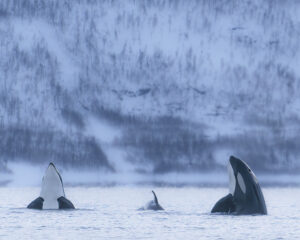
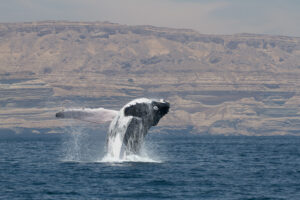

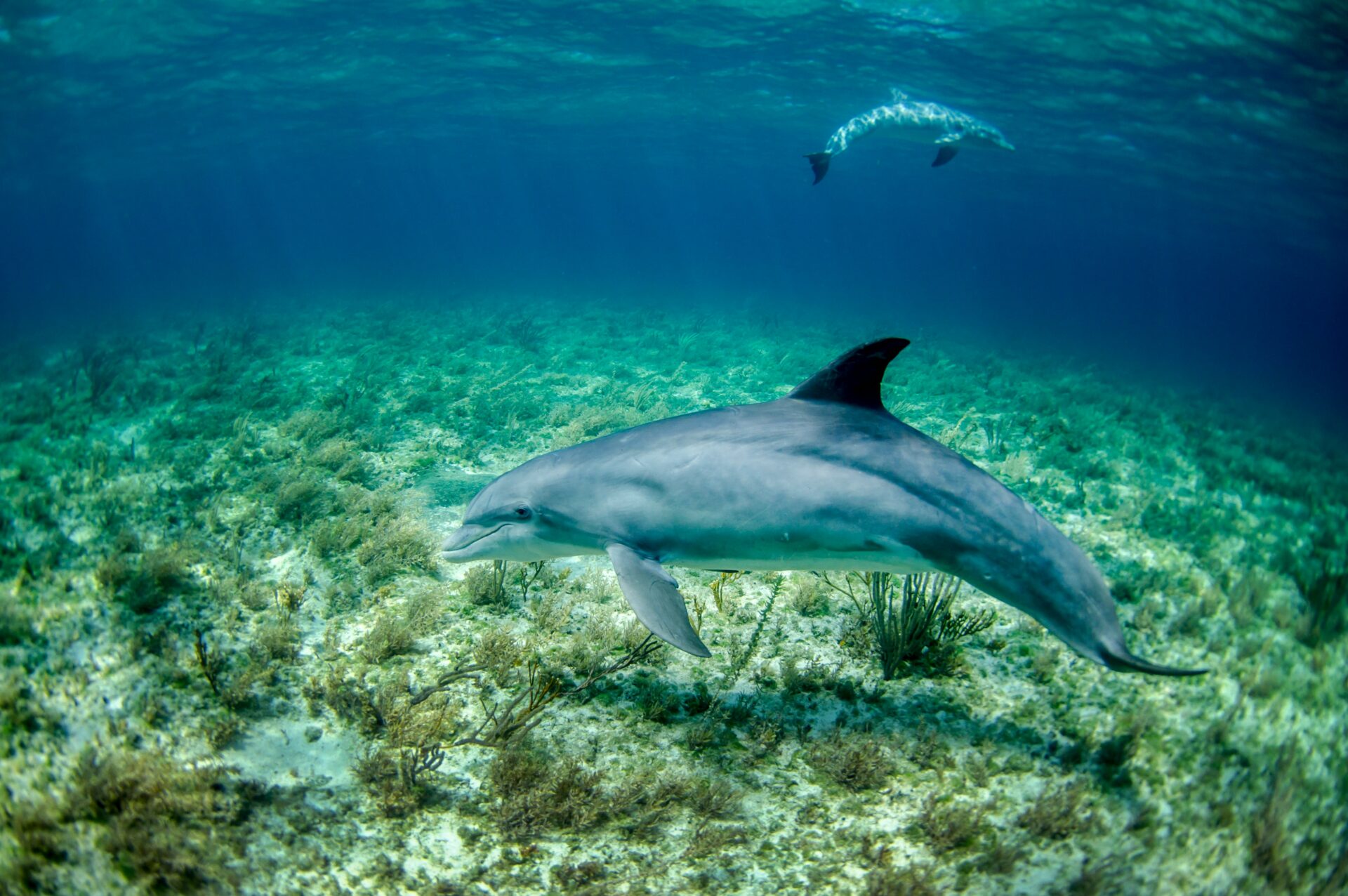
Dr Young, added: “If deep seabed mining becomes a reality, whales and dolphins will be exposed to multiple sources of noise throughout the water column. Many species are highly sensitive to certain frequencies – chronic ocean noise can mask social and foraging communications and whales could be displaced from critical habitats.
“The behaviour and impact of sediment plumes created by mining is also poorly understood but coil affect food webs.”
Louisa Casson of Greenpeace International, said: “The confirmed presence of cetaceans, including threatened sperm whales, in areas that The Metals Company is targeting for deep sea mining is yet another clear warning that this dangerous industry must never be allowed to begin commercial operations.”
The review paper, published in the journal Marine Pollution Bulletin is titled ‘Noise from seep-sea mining in the Clarion Clipperton Zone, Pacific Ocean will impact a broad range of marine taxa’.
The whale and dolphin paper, published in Frontiers in Marine Science is titled ‘Threatened cetaceans in a potential deep seabed mining region, Clarion Clipperton Zone, Eastern Pacific’.


"*" indicates required fields
Printed editions
Current issue
Back issues
Enjoy so much more from Oceanographic Magazine by becoming a subscriber.
A range of subscription options are available.
